If a storm just rolled through or your roof is getting older, sooner or later you'll wonder whether your homeowners insurance will pay for a new one. The short answer: insurance pays for sudden damage, not for age. The details, though, are where homeowners lose money, and they depend on your specific policy.
Here is how roof claims usually work in North Carolina, what affects your payout, and what to do if you think you have storm damage.
Think your roof was damaged in a storm? Call 704-396-8383 for a free inspection. We'll document what we find with photos, whether or not you end up filing a claim.
We're roofers, not insurance agents or attorneys. Your policy decides what's covered, so read it and talk to your agent about your specific situation.
A standard North Carolina homeowners policy is built to cover sudden and accidental damage. For roofs, that usually includes:
Two roofs with the same hail damage can get very different payouts depending on how the policy settles roof claims.
In North Carolina, many policies include an endorsement that settles wind and hail damage to the roof surface at actual cash value, and many carriers apply roof age schedules once a roof reaches about 15 to 20 years. Look at your declarations page and endorsements, or ask your agent: "If hail damages my roof, will you pay replacement cost or actual cash value?"
A simple example: say a new roof for your home costs $14,000 and your roof is 18 years old. Under replacement cost, you'd typically receive $14,000 minus your deductible. Under actual cash value, the insurer may depreciate the old roof heavily first, so the payment could be far less. (These numbers are only an illustration. Your carrier's depreciation schedule decides the real figure.)
Many policies have a separate wind or hail deductible. It might be a flat dollar amount, or it might be a percentage of your home's insured value. A 1% or 2% deductible on a home insured for $450,000 is $4,500 to $9,000, which can be more than a smaller repair costs. Knowing this number up front tells you whether a claim even makes sense.
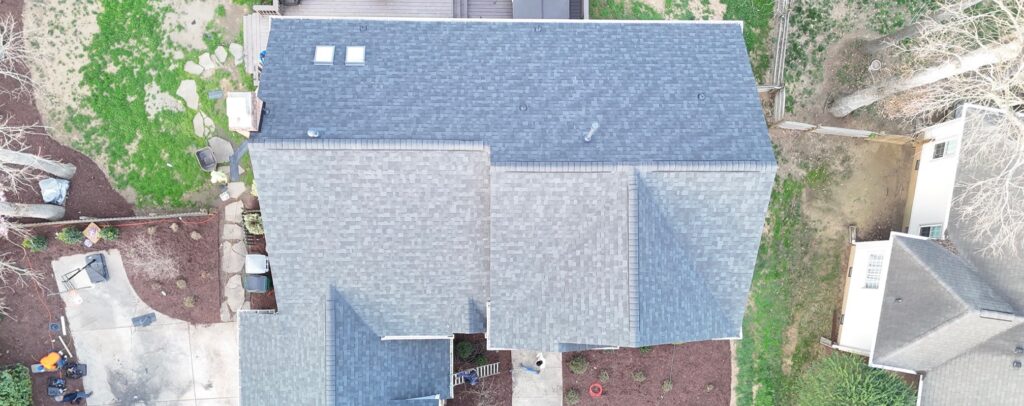
Need help with step 4? See our storm damage inspection service.
A reputable roofer can inspect your roof, photograph the damage, write a detailed estimate, meet the adjuster and answer the adjuster's questions. What a roofer shouldn't do is negotiate your claim or act as your representative with the insurance company. That's your role, or the role of a licensed public adjuster if you hire one.
Some contractors will ask you to sign an agreement before the claim is decided. Understand what you're signing first: read about roofing contingency agreements.
After a big hailstorm, out-of-town crews knock on doors across Charlotte. Be careful with anyone who:
More tips: What to Know Before Hiring a Roofer in Charlotte.
If your roof is simply worn out, you'll be paying for the replacement yourself. Planning ahead helps. See our 2026 roof cost guide, our guide to how long roofs last in Charlotte, and our financing options.
No. Homeowners insurance covers sudden damage like hail, wind and fallen trees. It doesn't pay to replace a roof because of age or normal wear.
It can, depending on your carrier and your claim history. Ask your agent before filing if you're unsure, especially for a smaller loss close to your deductible.
From the ground, look for dented gutters, downspouts, mailboxes or car hoods, and granules collected at downspouts. On the roof, hail leaves dark bruises and spots where granules were knocked off. An inspection with photos is the reliable way to know.
It depends on the extent of the damage and your policy. If damage is spread across the roof or matching shingles aren't available, the insurer may approve a full replacement. If it's limited to a small area, they may only pay to repair that section.
We'll inspect your roof, show you photos of what we find and tell you straight whether it looks like storm damage worth bringing to your insurance company, or normal wear.
Call Charlotte Ace Roofing at 704-396-8383 or request your free inspection online.


