Commercial Roof Maintenance: Signs That Your Roof Needs Attention
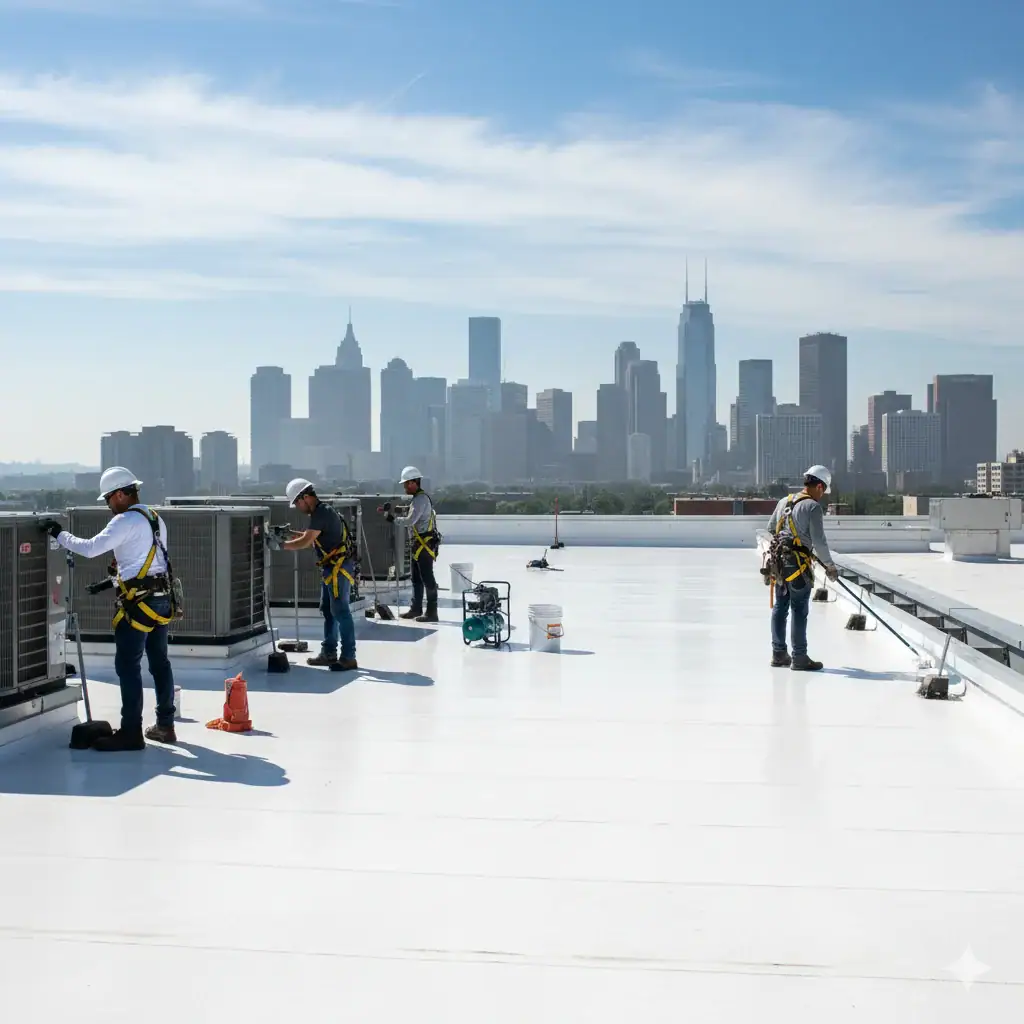
Commercial roofs face constant exposure to weather, UV radiation, temperature fluctuations, and structural stresses that residential roofs rarely encounter. A failing commercial roof doesn't just threaten the building structure—it can disrupt business operations, damage inventory and equipment, create liability issues, and result in repair costs that run into tens of thousands of dollars. Regular attention to your roof's condition prevents these expensive emergencies.
The critical role of commercial roof maintenance in preserving the structural integrity and functionality of commercial properties cannot be overstated. A well-maintained roof protects your business investment, maintains comfortable working conditions, prevents operational disruptions, and extends the roof's service life by years or even decades.
Common Signs Your Commercial Roof Needs Attention
Water Stains or Leaks Inside the Building
Water stains on ceilings or walls are the most obvious indicators that your commercial roof has failed somewhere. Unlike residential roofs, where leaks often appear close to their source, commercial roof leaks can travel considerable distances through insulation, along structural members, or within the roof assembly before becoming visible inside the building.
Even small stains warrant immediate investigation. Water infiltration damages insulation (reducing energy efficiency), promotes mold growth, damages ceiling tiles and finishes, and can compromise structural elements if left unaddressed. During or after rain events, check your building's upper floors, especially areas directly below roof penetrations like HVAC units, skylights, and roof drains.
Sagging or Uneven Roof Surfaces
Sagging areas on commercial roofs indicate serious structural problems. Flat or low-slope roofs should maintain consistent planes without dips, depressions, or visible sagging. These irregularities suggest water pooling that has stressed the roof deck, saturated insulation that has added excessive weight, or structural deterioration of decking or supports.
Ponding water—standing water that remains on the roof 48 hours after rainfall—accelerates roof deterioration. The weight stresses the structure, while prolonged moisture exposure degrades roofing membranes, promoting leaks. Areas of persistent ponding require commercial roof maintenance to address drainage issues before catastrophic failure occurs.
Missing, Damaged, or Curling Shingles
While many commercial buildings use membrane roofing systems, those with pitched roofs featuring shingles face the same degradation patterns as residential properties. Missing shingles leave underlying materials exposed to the weather. Damaged, cracked, or curling shingles no longer provide effective water shedding.
Wind damage often removes shingles in patches, creating vulnerable areas where water penetrates easily. After severe weather events, visual inspection of accessible roof areas helps identify damage before leaks develop. Even on membrane roofs, check for tears, punctures, or separations at seams that compromise waterproofing.
Clogged or Damaged Gutters and Downspouts
Commercial roof drainage systems handle large water volumes during rain events. Clogged gutters and downspouts prevent proper drainage, causing water to back up onto the roof or overflow onto building exteriors and foundations. Standing water from poor drainage accelerates roof membrane deterioration and creates leak risks.
Damaged gutters—those that are pulling away from fascia, sagging, or showing rust/corrosion—don't effectively channel water away from the building. During regular commercial roof maintenance, technicians should clean drainage systems and verify they're functioning properly.
Leaves, debris, and even vegetation commonly accumulate in commercial gutters, particularly if trees overhang the building.
Visible Cracks or Holes in the Roof Membrane
Membrane roofing systems (TPO, EPDM, PVC) develop cracks and holes from various sources: UV exposure, foot traffic, debris impact, or simple aging. Small punctures from maintenance activities (HVAC work, antenna installation) can go unnoticed until they allow water infiltration.
Regularly walk accessible roof areas looking for obvious damage. Pay particular attention to areas around roof penetrations, seams, and edges where membranes experience the most stress. Bubbling or blistering in membrane surfaces indicates trapped moisture or adhesion failure—problems that worsen if not addressed promptly.
Mold or Mildew Growth
Mold or mildew growth inside your building—particularly in upper floors or near rooflines—often results from roof leaks or moisture penetration. Beyond the obvious health concerns and unpleasant odors, mold indicates ongoing moisture problems that will continue damaging building materials until the source is corrected.
Mold growth on the roof exterior, while less concerning than interior mold, can indicate areas where moisture accumulates due to poor drainage or membrane damage. Dark streaks, green/black patches, or moss growth suggest areas needing commercial roof maintenance attention.
The Importance of Routine Roof Inspections
Proactive Detection of Issues
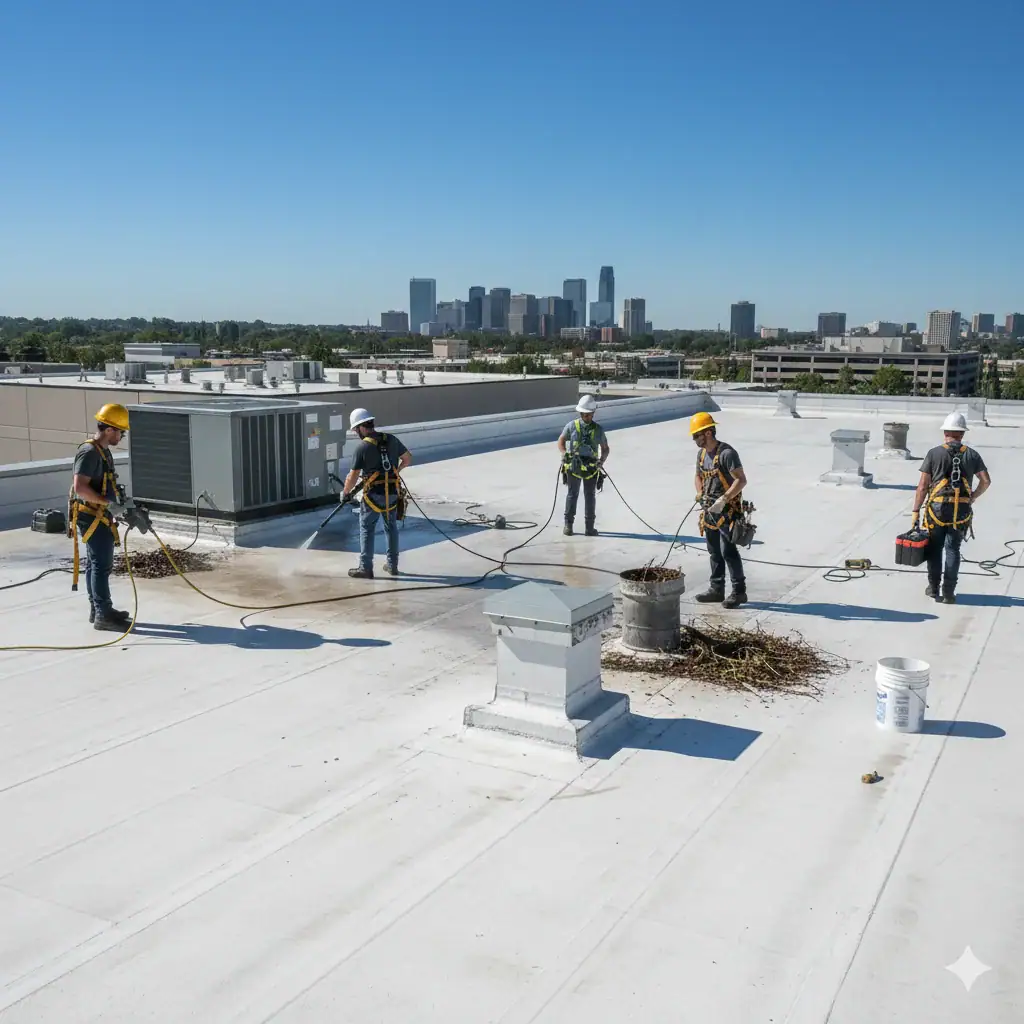
Regular inspections form the foundation of effective commercial roof maintenance programs. Professional inspections identify minor problems—small cracks, beginning deterioration, or developing issues—before they cause significant damage. Fixing a small membrane tear costs hundreds of dollars; replacing a roof section damaged by years of undetected leaks costs thousands or tens of thousands.
Most commercial roofs benefit from at least bi-annual professional inspections, typically scheduled in spring and fall. Buildings in harsh climates or with older roofs may need quarterly inspections. These scheduled assessments catch developing problems early when repairs are simpler and less expensive.
Seasonal Inspections and Maintenance
Different seasons present different roof challenges. Spring inspections assess damage from winter weather—ice, snow loads, freeze-thaw cycles. Technicians clear drainage systems of spring debris before summer storms. Fall inspections prepare roofs for winter, ensuring drainage works properly and identifying areas needing repair before snow and ice arrive.
Seasonal commercial roof maintenance services also address preventive tasks: clearing debris, checking and tightening fasteners, inspecting and resealing penetrations, and verifying proper function of all roof components. This proactive approach prevents many common failure modes.
Identifying Potential Problems Before They Escalate
Experienced inspectors don't just find existing problems—they recognize conditions that will likely cause future issues. Slightly reduced flashing attachment, early-stage sealant deterioration, or minor membrane shrinkage may not threaten the roof today but will cause leaks within months if unaddressed.
This predictive aspect of professional commercial roof maintenance helps you budget for repairs, schedule work during slow business periods, and prevent emergency situations that disrupt operations and cost significantly more to address.
Commercial Roof Maintenance Services: What to Expect
Comprehensive Roof Assessments
Quality commercial roof maintenance services begin with a thorough assessment of your entire roofing system. Technicians examine the membrane or shingle surface, all flashing details, penetrations (vents, HVAC units, skylights), drainage components, edge details, and structural elements. They document conditions with photos and notes, creating detailed records of roof status.
Advanced assessments may include infrared scanning to detect hidden moisture, core samples to verify insulation and decking conditions, or adhesion testing to ensure proper membrane attachment. This comprehensive approach identifies both visible and hidden problems.
Tailored Maintenance Plans
After initial assessment, reputable commercial roof maintenance companies develop customized maintenance plans addressing your roof's specific needs. Plans specify inspection frequency, routine maintenance tasks, identified repairs, and schedules for work completion. They account for your roof type, age, condition, building use, and budget constraints.
Structured maintenance plans prevent problems from being overlooked and provide documentation valuable for warranty compliance, insurance purposes, and property value assessments. Many building owners find that regular maintenance programs actually reduce overall roofing costs compared to reactive repairs.
Emergency Roof Repairs
Even with excellent maintenance programs, unexpected damage can occur—storm damage, equipment impact, or sudden failures. Commercial roof maintenance services should offer emergency response for urgent situations. Fast response to active leaks minimizes interior damage and business disruption.
Emergency capabilities matter when evaluating providers. Ask about response times, after-hours availability, and temporary repair options that protect your building while permanent solutions are arranged.
Roof Leak Detection and Repair
Modern leak detection techniques—infrared scanning, moisture meters, dye testing—help locate even elusive leaks quickly. Once found, leaks need proper repair, not just quick patches that fail within months. Quality commercial roof maintenance includes repairs done correctly with appropriate materials and techniques for your specific roof system.
Leak repairs should come with documentation and warranties. Proper repairs address the root cause, not just visible symptoms, preventing recurring problems.
Choosing a Commercial Roof Maintenance Company
Experience With Your Roof Type
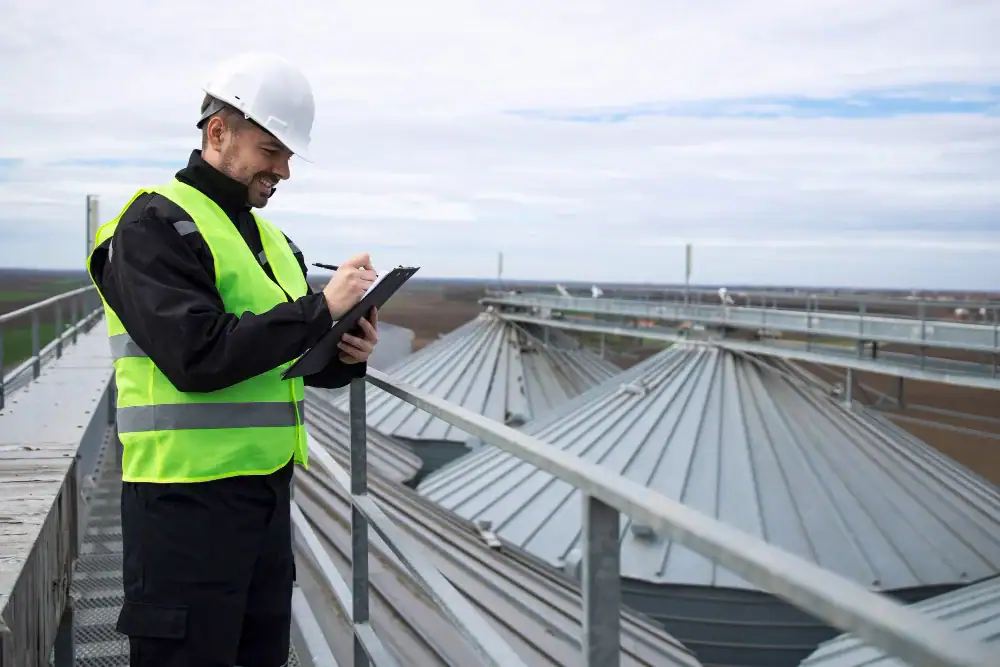
Commercial roofs vary significantly—built-up roofing (BUR), modified bitumen, single-ply membranes (TPO, PVC, EPDM), metal roofing, and more. Each requires specific knowledge and techniques. When selecting a commercial roof maintenance company, verify that they have extensive experience with your particular roof system.
Ask for references from buildings with similar roofing to yours. Experienced contractors can discuss common issues with your roof type and explain their maintenance approach specific to those materials.
Licensing, Insurance, and Certifications
Commercial roofing work requires proper licensing, adequate insurance coverage, and often manufacturer certifications. Verify that any contractor you consider carries general liability insurance and workers' compensation coverage. Many quality contractors hold certifications from major roofing manufacturers, indicating they've received training on proper installation and maintenance techniques.
Licensed contractors comply with building codes and industry standards. They carry insurance that protects you from liability if accidents occur during roof work on your property.
Local Presence and Reputation
Local commercial roofing maintenance services offer advantages over distant providers. They're familiar with regional climate challenges, local building codes, and material performance in your area. They can respond quickly to inspections or emergencies. Local reputation matters—contractors who've served your community for years have track records you can verify.
Check online reviews, but also ask for recent references and actually contact them. Inquire about response times, work quality, communication, and whether the contractor followed through on commitments.
Transparent Pricing and Contracts
Reputable companies provide detailed written estimates explaining the scope of work, materials, labor, and costs. They offer clear contracts specifying work to be performed, timelines, payment terms, and warranties. Be wary of significantly low bids that may indicate shortcuts or hidden costs.
Maintenance contracts should clearly state what's included—inspection frequency, routine tasks, materials provided, and what constitutes additional work requiring separate authorization. Understanding exactly what you're paying for prevents disputes and ensures you receive the expected services.
Protecting Your Commercial Property Investment
Regular commercial roof maintenance protects your business by preventing expensive damage, reducing long-term repair costs, and ensuring your roof reaches its full expected lifespan. Routine inspections and timely repairs keep business operations running smoothly without weather-related disruptions.
Preventive maintenance extends roof life by 5-15 years in most cases, representing enormous cost savings over the building's lifetime. By addressing warning signs promptly and maintaining regular inspection schedules, you protect your property investment and avoid the operational disruptions and financial impacts of roof failures.