Full Roof Replacement: What Materials Are Best for Durability and Style?

Your roof protects everything beneath it—your family, belongings, and the structure of your home itself. When the time comes for a full roof replacement, the materials you choose will affect your home for decades. Some options last 20 years, while others can protect your house for 50 years or more. The right choice balances durability, appearance, and budget to provide long-term value.
Choosing the right materials for a full roof replacement affects both the longevity and aesthetic of your home in ways that extend far beyond installation day. A poor material choice can lead to premature failure, costly repairs, and decreased property value. Conversely, selecting appropriate materials enhances curb appeal, protects your investment, and provides peace of mind for years to come.
Key Factors to Consider When Choosing Roof Materials
Durability and Longevity
The lifespan of roofing materials varies dramatically. Asphalt shingles typically last 15-30 years, while metal roofing can protect your home for 40-70 years. Slate and clay tiles often exceed 50-100 years with proper maintenance. Consider your local climate when evaluating durability—materials that perform well in mild conditions may fail quickly under severe weather, high winds, or extreme temperatures.
Maintenance requirements also factor into longevity. Some materials need regular inspection and upkeep to reach their expected lifespan, while others require minimal attention. If you prefer low-maintenance solutions, this consideration weighs heavily in material selection.
Aesthetic Appeal and Style
Your roof covers roughly 40% of your home's visible exterior, making material and color choices significant for curb appeal. Some materials suit specific architectural styles better than others. Traditional homes often look best with classic materials like asphalt shingles designed to mimic historical roofing, while modern homes might benefit from sleek metal roofing or contemporary profiles.
Color selection affects both appearance and energy efficiency. Dark colors absorb heat, which can increase cooling costs in warm climates. Light colors reflect heat, keeping homes cooler. Beyond function, color should complement your home's siding, trim, and overall palette.
Cost and Budget Considerations
Full roof replacement cost varies widely by material—from around $5,500 for basic asphalt shingles to $40,000 or more for slate or premium metal roofing. However, focusing only on initial cost misses the bigger picture. Calculate the cost per year of expected service life for accurate comparison. A $12,000 asphalt roof lasting 20 years costs $600 annually, while a $30,000 metal roof lasting 50 years costs $600 annually—similar despite different upfront prices.
Additional cost factors include insurance premiums (some materials qualify for discounts), energy costs (reflective materials reduce cooling expenses), and maintenance costs over the roof's lifetime.
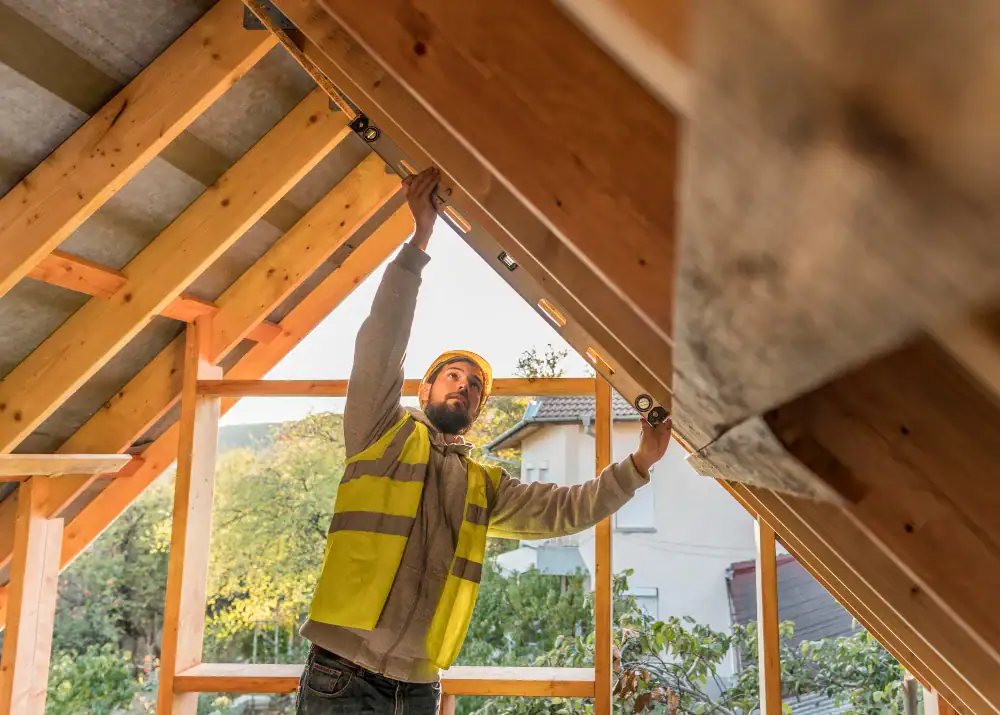
Best Roofing Materials for Durability and Style
Asphalt Shingles
Asphalt shingles dominate the residential market, covering approximately 80% of American homes. Their popularity stems from affordability, acceptable performance, and wide availability. Three-tab shingles represent the most basic option, lasting 15-20 years. Architectural shingles offer improved aesthetics and 25-30 year lifespans. Luxury shingles can last 30-50 years and closely replicate slate or wood shake appearances.
Asphalt shingles work well in most climates and come in virtually unlimited colors. They're the most affordable option for full roof replacement, typically costing $3.50-$8.50 per square foot installed. However, they don't last as long as premium materials and can be vulnerable to high winds and hail.
Metal Roofing
Metal roofing has surged in popularity due to exceptional durability and improved aesthetics. Standing seam metal creates clean, contemporary lines with lifespans of 40-70 years or more. Metal shingles replicate traditional materials while providing metal's durability advantages.
Metal handles extreme weather exceptionally well—high winds, heavy snow, hail, and fire. It sheds snow quickly, preventing ice dam formation. Modern coatings prevent corrosion, and reflective properties can reduce cooling costs by 10-25%.
Metal roofing costs $8-$14 per square foot for steel or aluminum, and $15-$25+ for premium metals like copper. While more expensive upfront than asphalt, the longevity often makes metal more cost-effective over time.
Clay and Concrete Tiles
Clay and concrete tiles offer distinctive Mediterranean, Spanish, or Southwestern aesthetics. Clay tiles are traditional, beautiful, and extremely durable—often lasting 50-100 years. Concrete tiles provide a similar appearance at a lower cost with 40-50 year lifespans.
Both materials are heavy, requiring structural support verification before installation. They excel in hot, dry climates and resist fire, rot, and insect damage. However, individual tiles can crack from impact or freeze-thaw cycles in cold climates.
Costs range from $10-$18 per square foot installed, making tiles a premium option. The longevity and distinctive appearance justify the investment in appropriate architectural styles.
Slate Roofing
Slate represents the premium end of roofing materials. Natural stone slate can last 75-200 years, making it potentially the last roof your home will ever need. Slate is fireproof, rot-proof, and handles all weather conditions excellently.
The main drawbacks are cost ($15-$30+ per square foot) and weight. Like tile, slate requires structural support. Installation requires specialized expertise, and repairs can be expensive if individual slats crack.
Slate suits high-end homes and historical properties where longevity and authentic appearance justify the investment.
Synthetic Roofing Materials
Modern synthetic materials (composite, rubber, and plastic) replicate the appearance of slate, wood shake, or tile while weighing less and costing less. Quality synthetic products last 30-50 years and resist impact, fire, and weather well.
Synthetic materials cost $8-$14 per square foot—less than the natural materials they mimic but more than asphalt. They offer ga ood compromise for homeowners wanting premium aesthetics without premium costs or structural concerns.
Full Roof Replacement Cost Breakdown
Average Cost by Material
Understanding typical costs helps with budget planning:
- Asphalt shingles: $5,500-$12,000 (average home)
- Architectural asphalt: $9,000-$16,000
- Metal roofing: $16,000-$28,000
- Clay/concrete tiles: $20,000-$36,000
- Slate: $30,000-$60,000+
- Synthetic materials: $16,000-$28,000
These estimates assume a typical 2,000 square foot roof with moderate complexity.
Factors Affecting Cost
Several factors influence the final full roof replacement cost beyond material choice. Roof size and pitch (steeper roofs cost more to work on) significantly impact labor costs. Complex designs with multiple valleys, dormers, or skylights increase both material waste and labor time.
Removal and disposal of old roofing adds $1-$5 per square foot. Structural repairs discovered during removal increase costs. Geographic location affects both material and labor prices—coastal areas and major cities typically cost more than rural regions.
Permits, which most jurisdictions require for full roof replacement, add $200-$500. Quality underlayment, ice and water shield in vulnerable areas, and proper ventilation systems add to material costs but protect your investment.
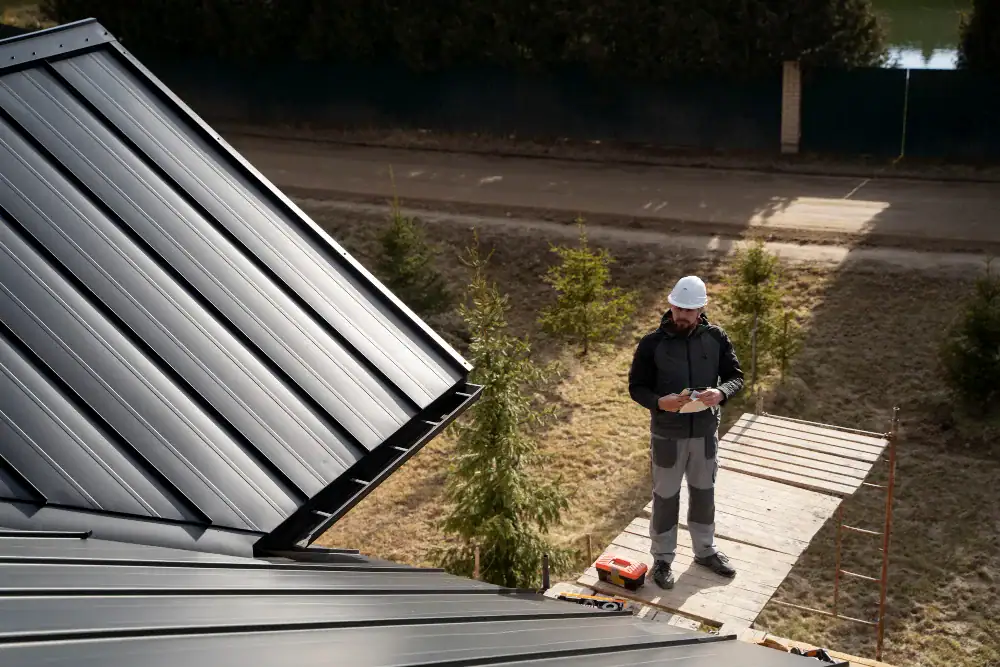
What to Expect During a Full Roof Replacement
Pre-Installation Steps
Understanding what to expect during a full roof replacement helps you prepare. The contractor should provide a detailed written estimate specifying materials, scope of work, timeline, and payment schedule. They'll obtain necessary permits and order materials.
Before work begins, protect landscaping and outdoor items near the house. Move vehicles from the driveway. Cover items in your attic, as vibration can knock things around. The contractor should protect your property with tarps and ground protection.
Installation Process
Most residential full roof replacement projects take 1-3 days for asphalt shingles, or up to a week for more complex materials or larger homes. The process creates significant noise from tearing off old materials and installing nail guns for new roofing.
Crews typically remove old roofing completely (partial vs full roof replacement depends on the current roof condition and local codes). They inspect the roof deck for damage, making repairs as needed. New underlayment goes down, followed by drip edge, valley flashing, and ice and water shield in vulnerable areas. Finally, they install the new roofing material, ridge caps, and ventilation components.
Post-Installation Clean-Up and Inspection
Professional contractors thoroughly clean up, using magnetic tools to collect nails and debris. They should haul away all old materials and leave your property cleaner than they found it.
Final inspection verifies proper installation and compliance with building codes. The contractor should walk you through the completed work, explaining warranty coverage and maintenance recommendations. Many offer workmanship warranties of 5-10 years in addition to manufacturer material warranties.
Making Your Full Roof Replacement Decision
Selecting the right materials and contractor for a full roof replacement requires balancing multiple factors. Durability, aesthetics, and cost all play roles in the decision, with your specific climate, architectural style, and budget determining which materials make the most sense.
While full roof replacement represents a significant investment—often $10,000-$30,000 or more—choosing durable and aesthetically pleasing materials provides long-term value and protection. A quality roof installed properly can last decades, protecting your home and enhancing its value. Take time to research materials, get multiple quotes from reputable contractors, and select options that match your home's needs and your long-term plans.