Modern Roofing: Top Trends You Need to Know for 2026
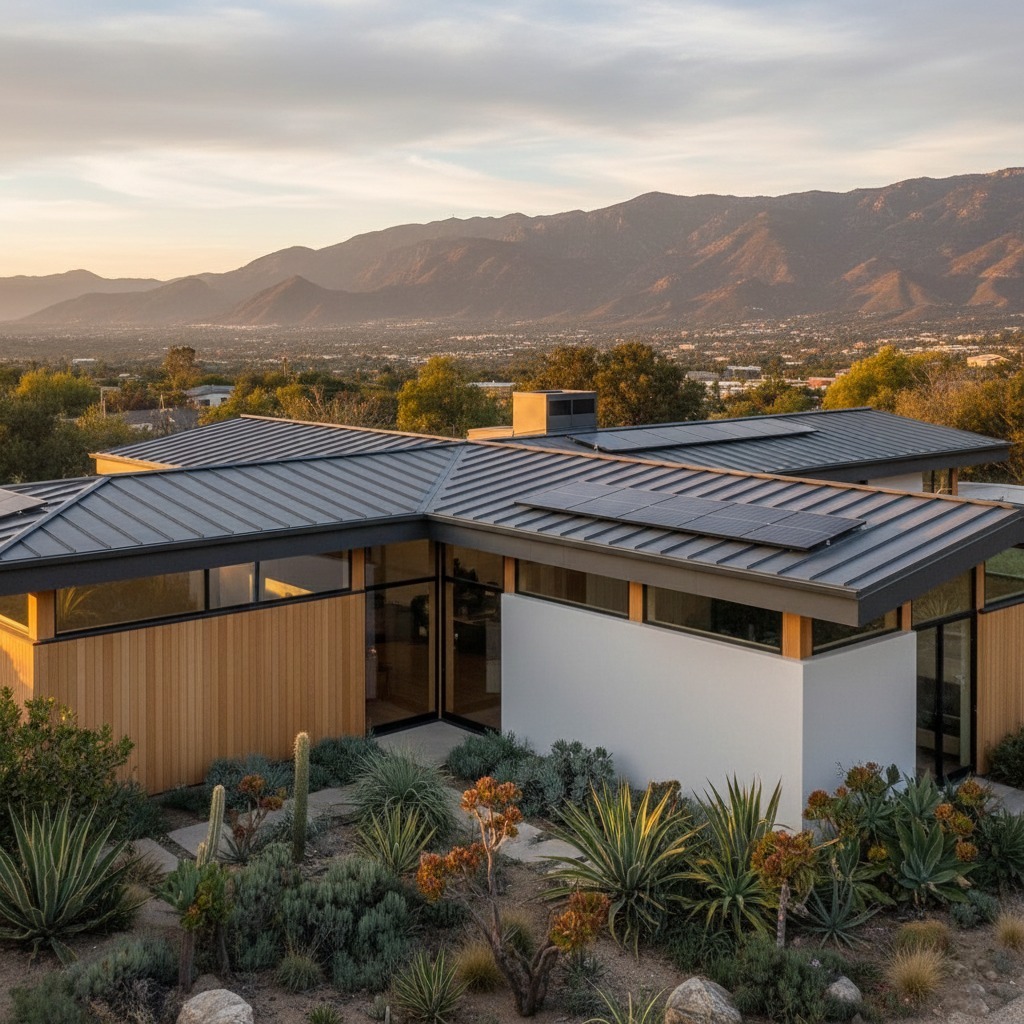
The roofing industry continues to transform as homeowners demand more from their roofs than simple protection from the weather. Today's property owners want roofing systems that reduce energy costs, minimize environmental impact, integrate with smart home technology, and enhance curb appeal. Modern roofing represents this shift toward innovative materials, advanced technologies, and sustainable practices that deliver better performance and value.
As we move through 2026, several key trends are reshaping residential and commercial roofing. Understanding these developments helps property owners make informed decisions when replacing or upgrading their roofs. Whether you're building new construction or replacing an aging roof, knowing what modern roofing offers ensures you choose solutions that meet current needs while preparing for future demands.
The Rise of Sustainable Roofing Materials
Environmental consciousness drives many modern roofing decisions. Homeowners increasingly recognize that roofing choices affect both their immediate costs and long-term environmental footprint. Sustainable roofing materials have moved from niche specialty products to mainstream options available through most contractors.
Recycled content in roofing materials reduces demand for virgin resources. Many modern roofing materials incorporate recycled rubber, plastic, or metal without sacrificing performance. Recyclability at end-of-life matters too. Traditional asphalt shingles create enormous landfill waste, while the materials increasingly focus on recyclability, with metal roofing leading the way as completely recyclable.
Cool roofing technology reflects more sunlight and absorbs less heat than standard materials. These reflective surfaces reduce cooling costs during warm months, particularly in hot climates. Energy Star-certified cool roofing products are now available in nearly every material category.
Modern Metal Roofing: Durability Meets Aesthetics
Metal roofing has experienced tremendous growth as technology overcomes previous limitations. Modern metal roofing no longer means just corrugated industrial panels—today's options rival traditional materials in aesthetic appeal while offering superior performance.
Advantages of Metal Roofing in 2026
Modern metal roofing provides exceptional durability, routinely lasting 40 to 70 years compared to 15 to 30 years for asphalt shingles. Energy efficiency represents another major advantage—metal reflects solar heat, reducing cooling costs by 10-25% in many climates.
Weather resistance makes metal roofing particularly valuable in areas prone to severe weather. Metal withstands high winds, resists hail damage, and doesn't absorb moisture. Fire resistance provides additional safety, as metal roofing is non-combustible. Low maintenance requirements save homeowners time and money over the roof's lifetime.
Variety of Styles and Finishes
Modern metal roofing comes in numerous profiles and finishes. Standing seam metal roofing features vertical panels with raised seams, creating clean contemporary lines. Metal shingles and tiles replicate the appearance of traditional roofing materials, convincingly mimicking wood shakes, slate, or clay tiles.
Color choices have expanded dramatically. Manufacturers now offer dozens of standard colors plus custom options. Modern coating technologies ensure colors remain vibrant for decades without significant fading.
Cost-Effectiveness and Long-Term Savings
Modern metal roofing costs more upfront than asphalt shingles—typically two to three times as much. However, lifetime cost calculations often favor metal when accounting for longevity, energy savings, and minimal maintenance. Metal roofing adds resale value to homes, and some insurance companies offer discounts due to superior weather resistance.
Smart Roofing Technology for 2026
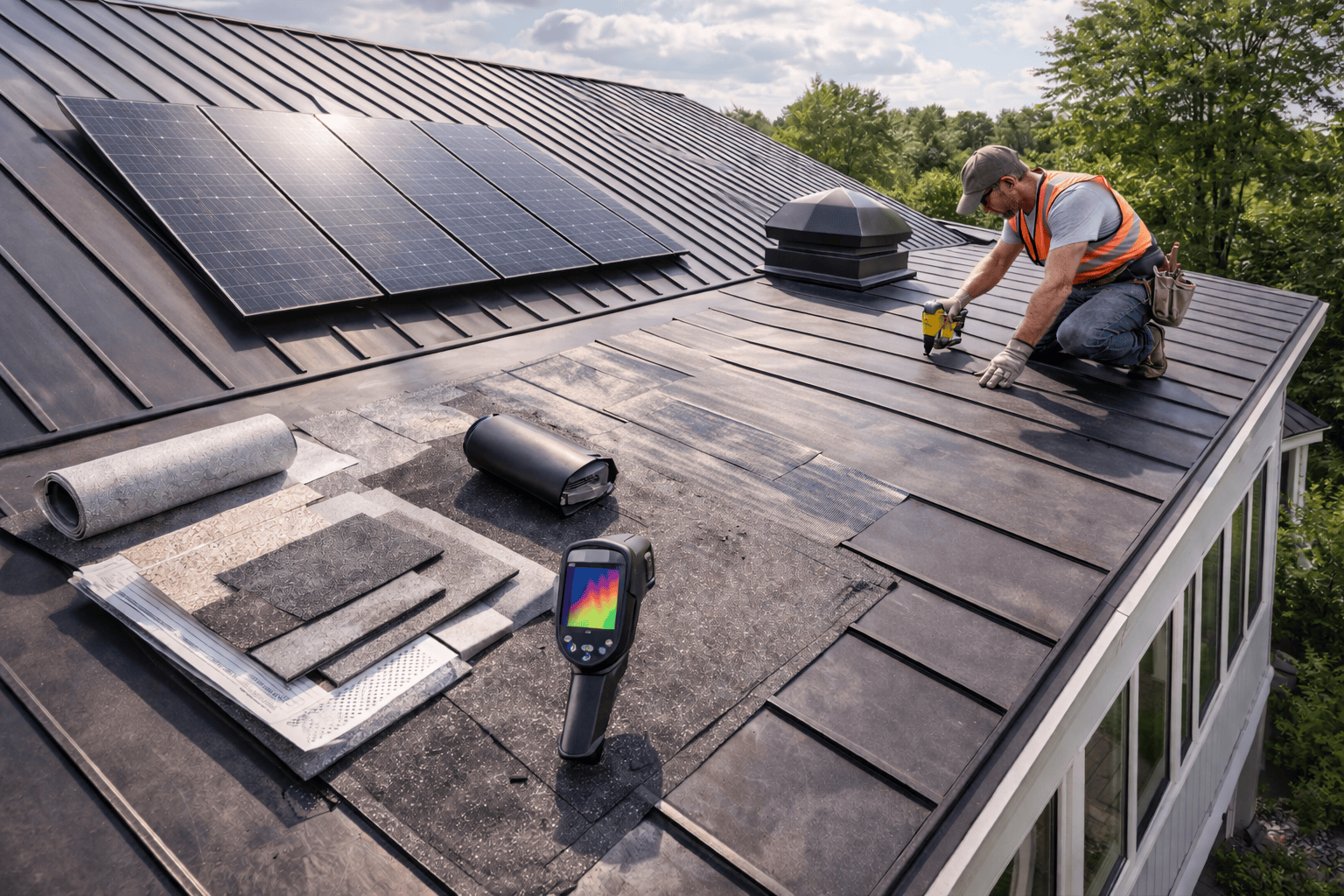
Technology integration represents one of the most exciting modern roofing developments. Smart roofing systems monitor conditions, detect problems early, and integrate with broader home automation.
Roof Sensors for Leak Detection and Monitoring
Sensors installed during roof construction can detect moisture intrusion before it causes visible damage. These systems alert homeowners immediately when water penetrates the roofing envelope, allowing prompt repairs. Temperature and moisture monitoring help identify ventilation problems or insulation failures.
Integration with Home Automation Systems
Modern roofing technology increasingly connects to whole-home automation platforms. Homeowners can monitor roof conditions through smartphone apps alongside security systems and HVAC controls. Solar roofing integration has become more seamless, with energy generation data connecting to home energy management systems.
Modern Roofing Materials to Watch for in 2026
Beyond metal, several innovative modern roofing materials are gaining market share and proving their value.
Composite Roofing Materials
Composite materials blend various ingredients to create products offering specific performance characteristics. Modern roofing composites might combine recycled rubber, plastic, and cellulose fibers to create durable, lightweight materials resistant to impact, fire, and UV damage. These engineered materials often replicate premium natural materials like slate at lower costs with better durability.
Synthetic Slate and Tile Roofing
Synthetic alternatives to natural slate and clay tile have improved dramatically. Modern products capture the aesthetic appeal of traditional materials while weighing significantly less, reducing structural requirements. Synthetic slate and tile resist breakage better than natural materials, often costing 40-60% less than natural slate.
Green Roofs and Living Roofs
Green roofs covered with vegetation represent the ultimate in sustainable roofing for appropriate applications. These systems provide exceptional insulation, manage stormwater runoff, and reduce urban heat island effects. Modern green roof technology has improved waterproofing membranes, root barriers, and drainage systems.
Improved Roof Insulation and Ventilation Solutions
Modern roofing extends beyond surface materials to include the entire roof assembly. Proper insulation and ventilation dramatically affect roof performance and longevity.
Better Insulation Materials for Roofs
Spray foam insulation has revolutionized roof insulation, creating continuous barriers without gaps. Closed-cell spray foam adds structural rigidity while providing exceptional R-value. Reflective insulation products work particularly well in hot climates, and advanced rigid foam boards offer high insulation values in thin profiles.
Ventilation Solutions for Longer Roof Life
Proper ventilation prevents moisture buildup and excessive heat in attic spaces. Modern roofing emphasizes balanced ventilation systems with adequate intake and exhaust vents. Ridge vents have become standard, providing continuous exhaust ventilation along roof peaks while remaining nearly invisible from ground level.

How to Choose a Modern Roofing Company for Your Home
Implementing modern roofing solutions requires contractors with current knowledge and proper training.
Expertise in Modern Roofing Solutions
When seeking contractors, verify they have specific experience with the materials and technologies you're considering. A modern roofing company should demonstrate familiarity with the latest products and proper installation techniques. Ask about recent projects and request references.
Checking Certifications and Reviews
Look for contractors holding relevant certifications and licenses. Key qualifications to verify include:
- State roofing licenses and current status
- Manufacturer certifications for specific products
- Professional association memberships
- Current general liability and workers' compensation insurance
- Positive reviews across multiple platforms
Request detailed written estimates from multiple contractors. Compare not just prices but also proposed materials, work scope, warranty terms, and project timelines.
Conclusion
Modern roofing in 2026 offers homeowners unprecedented options for creating durable, efficient, and attractive roof systems. Sustainable materials, advanced metal products, smart technology integration, innovative composites, and improved insulation all contribute to better-performing roofs.
Modern metal roofing exemplifies how innovation enhances traditional materials. Today's metal roofs combine exceptional durability and energy efficiency with diverse aesthetic options. Smart technology integration provides homeowners with unprecedented control over roof performance.