Best Time of Year to Replace a Roof in Charlotte, NC (2026)
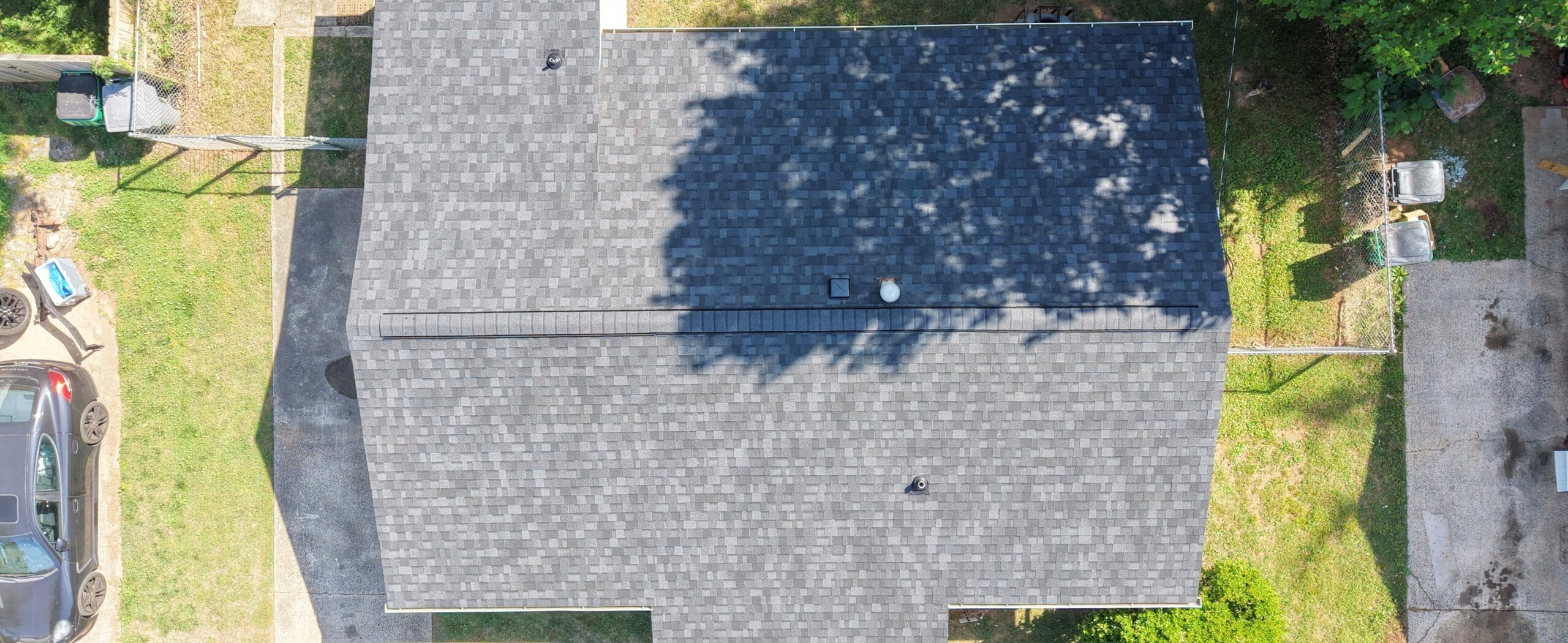
Most Charlotte homeowners only replace a roof once or twice in their entire lives, so the question of when to do it doesn't come up often — but it matters more than you'd think. The season you pick affects how long the job takes, how much you pay, how well the shingles seal, and how soon you can actually get on a crew's schedule. Here's the honest answer from a Charlotte roofer who installs in every month of the year.
The Short Answer
Fall (September through November) is the best time to replace a roof in Charlotte, NC. Mild temperatures help shingles seal properly, dry weather gives crews predictable working days, and you get your new roof installed before winter storms hit. Spring is a strong second choice. Summer and winter are both workable in Charlotte's climate, with different trade-offs.
That said, the "best time" depends entirely on your situation. If you have an active leak, the best time is right now — not the season three months from now that happens to be ideal. Here's how to think about each season in Charlotte.
Fall (September – November): The Sweet Spot
Fall is the gold standard for Charlotte roof replacements, and it's not close. Here's why:
- Temperatures hit the sealing sweet spot. Asphalt shingles have a self-sealing adhesive strip that needs roof-surface temperatures of roughly 70–85°F to bond properly. Charlotte fall days hit that range almost daily.
- Dry weather pattern. Hurricane season tapers off after September, and the steady October–November dry stretch lets crews open a roof in the morning knowing they can close it by evening without a surprise pop-up storm.
- You beat winter. A roof installed in October is fully sealed before the first January cold snap, when shingles become brittle and harder to walk on.
- Material delivery is reliable. Suppliers aren't slammed the way they are after a major spring or summer storm event.
The only catch: every Charlotte roofer knows fall is prime time, so calendars fill fast. If you want a fall install, call by mid-August. By the time leaves are changing, most local crews are booked through Thanksgiving.
Spring (March – May): Strong Second Choice
Spring is also a great time to replace a roof in Charlotte. Temperatures are mild, days are getting longer, and shingles seal well. The main downside is unpredictable weather — Charlotte spring brings pop-up thunderstorms, and any open-roof project becomes a race against the radar.
Spring is also when most homeowners discover damage from winter wear, which means demand on Charlotte roofers spikes hard from late March through May. Two effects:
- Scheduling is tight. Lead times stretch to 4–6 weeks at most quality local roofers.
- Storm-chaser crews flood in. Out-of-state companies show up after spring hailstorms with door-knockers and aggressive sales tactics. Stick with a local Charlotte roofer with a permanent address and Google reviews from named Charlotte neighborhoods.
If your roof made it through the winter but is showing wear, schedule your inspection in February or early March and get on a crew's calendar before the spring rush.
Summer (June – August): Workable but Watch the Heat
Plenty of Charlotte roofs get replaced in summer, and the work is fine when done correctly. Two things to know:
- Roof-deck temperatures get extreme. A black asphalt roof in July can hit 160°F by mid-afternoon. That's hard on the crew and softens shingles enough that footprints can leave permanent marks. Quality Charlotte roofers start at sunrise and finish before the worst heat — if a roofer is still hammering at 2pm in August, that's a red flag.
- Storm risk. Charlotte summer means daily thunderstorm chances. Good crews don't open more roof in a day than they can close, but it adds tension to the schedule.
The upside of summer is availability — many homeowners assume summer is bad and wait for fall, which means experienced crews can sometimes fit you in faster. If you're flexible on dates and your roofer has a track record of early-morning starts, summer works.
Winter (December – February): More Workable Than You'd Guess
Charlotte winters are mild enough that roof work happens all season. The trade-offs:
- Shingles seal more slowly. The self-sealing adhesive activates with heat. In a January install, full seal can take until the first warm day in March — meaning shingles are theoretically more vulnerable to wind uplift during that window. Quality roofers hand-seal in cold weather to compensate.
- Cold snaps cancel days. Anything below 40°F is generally a no-install day for asphalt shingles. Charlotte gets occasional cold snaps that push schedules.
- Best pricing of the year. Demand drops in December and January, so Charlotte roofers often offer their best pricing of the year. If you have a roof that's still functional but aging, scheduling for January or February can save real money.
When You Should NOT Wait for the Perfect Season
The "best time" analysis only applies if your roof can wait. It can't if any of these are true:
- You have an active leak. Every storm that hits a leaking roof causes more interior damage — drywall, insulation, framing, and eventually electrical. The cost of waiting is almost always higher than the cost of installing in a less-than-ideal season.
- A recent storm caused damage. Most homeowners insurance policies in North Carolina require you to file within 12 months of the damage event, and you need to complete the work within a specified window after claim approval. See our storm damage and insurance claim guide for the full timeline.
- Your roof is past its expected lifespan. Charlotte asphalt shingle roofs typically last 20–30 years. Once you cross that mark, the question isn't "if" but "when" — and the wrong storm can turn a planned replacement into an emergency one.
- You're selling the home soon. A new roof significantly improves resale value and removes the #1 negotiation point in most Charlotte home inspections.
How Far in Advance Should You Book?
Here's the realistic lead time for a quality Charlotte roofer by season:
| When You Want to Install | When to Call | Lead Time |
|---|---|---|
| Fall (Sep–Nov) | By mid-August | 6–10 weeks |
| Spring (Mar–May) | By late February | 4–6 weeks |
| Summer (Jun–Aug) | 3–4 weeks ahead | 2–4 weeks |
| Winter (Dec–Feb) | 2–3 weeks ahead | 1–3 weeks |
| After a major storm | Within 48 hours | 6–12 weeks (high demand) |
After a major Charlotte storm event — especially a hailstorm — quality local roofers can be booked out for 2–3 months. If you're worried about damage, get an inspection on the calendar early. For more on what we install and the brands we use, see our guide to Owens Corning Duration shingles in Charlotte.
Does the Season Affect How Much You Pay?
Yes, but probably less than you'd hope. Roof replacement pricing in Charlotte is driven mostly by material costs (which don't change seasonally), labor (which fluctuates with demand), and your specific roof's complexity. The seasonal swing for the same job is usually 5–15% — not the 30–40% you'd see in industries like landscaping.
The cheapest time to replace a roof in Charlotte is typically late December through mid-February, when demand drops and crews compete for work. The most expensive is right after a major hailstorm, when demand spikes and out-of-state crews flood the market with surge pricing. For a complete pricing breakdown, see our 2026 Charlotte roof pricing guide.
Frequently Asked Questions
What is the best month to replace a roof in Charlotte, NC?
October is the single best month to replace a roof in Charlotte. Average daytime temperatures sit in the ideal 60–75°F range for shingle sealing, rainfall is at its annual low, and the install finishes well before any winter weather.
Can you replace a roof in winter in Charlotte?
Yes. Charlotte winters are mild enough that experienced roofers install through December, January, and February as long as temperatures stay above 40°F. Crews hand-seal shingles in cold weather to ensure proper bonding until warmer temperatures activate the self-seal strip.
How long does a roof replacement take in Charlotte?
Most single-family Charlotte homes are completed in 1–2 days. Larger or more complex roofs (multiple gables, dormers, or steep pitches) can take 3–5 days. Weather delays can extend the timeline, particularly during summer storm season.
Should I wait for a storm before replacing my roof so insurance pays?
No. Waiting for a storm to damage an already-failing roof is risky. Insurance only covers sudden, accidental damage — not normal wear and aging. A 25-year-old roof that finally fails in a storm may have the claim denied based on age and condition. If your roof is approaching the end of its life, plan a proactive replacement.
Is it cheaper to replace my roof in winter in Charlotte?
Often yes. December through February is the slowest season for Charlotte roofers, and quality crews often offer their best pricing of the year to keep their teams working. Savings of 5–15% off peak-season pricing are common.
Planning Your Charlotte Roof Replacement?
Whether you're trying to lock in a fall install date or you've spotted damage that can't wait, Charlotte Ace Roofing offers free roof inspections and honest, no-pressure estimates across all of Mecklenburg County.
Charlotte Ace Roofing — locally owned, hundreds of 5-star Google reviews from Charlotte homeowners. Proudly serving Charlotte, Huntersville, Cornelius, Mint Hill, Matthews, and all of Mecklenburg County.