


Storm Damage Repair in Charlotte, NC
Hail, wind and tree damage inspected for free, documented with photos, and handled with your insurance company by a local, 5.0-star roofer.
Led by owner Vasily Zhuk, with 10+ years of hands-on roofing experience.
Prefer to text? We accept text messages. Send a photo of your roof to 704.396.8383 and we’ll reply fast.
Get a Free Roof Inspection
Charlotte gets its share of hail, high wind and falling limbs. A well-installed roof usually holds up, but storm damage is often hard to see from the ground, and small damage left alone turns into leaks, rotted decking and a much bigger bill.
Charlotte Ace Roofing inspects storm-damaged roofs for free, documents what we find with photos, and works with your insurance company so your roof is repaired or replaced properly. We are local, rated 5.0 on Google and BBB A+ accredited, and we will still be here after the storm chasers leave.
Storm just hit? Call (704) 396-8383 or use the form above for a free roof inspection.
Signs Your Roof Has Storm Damage
Before you call anyone, walk around the house. Tell a roofer right away if you see any of these:
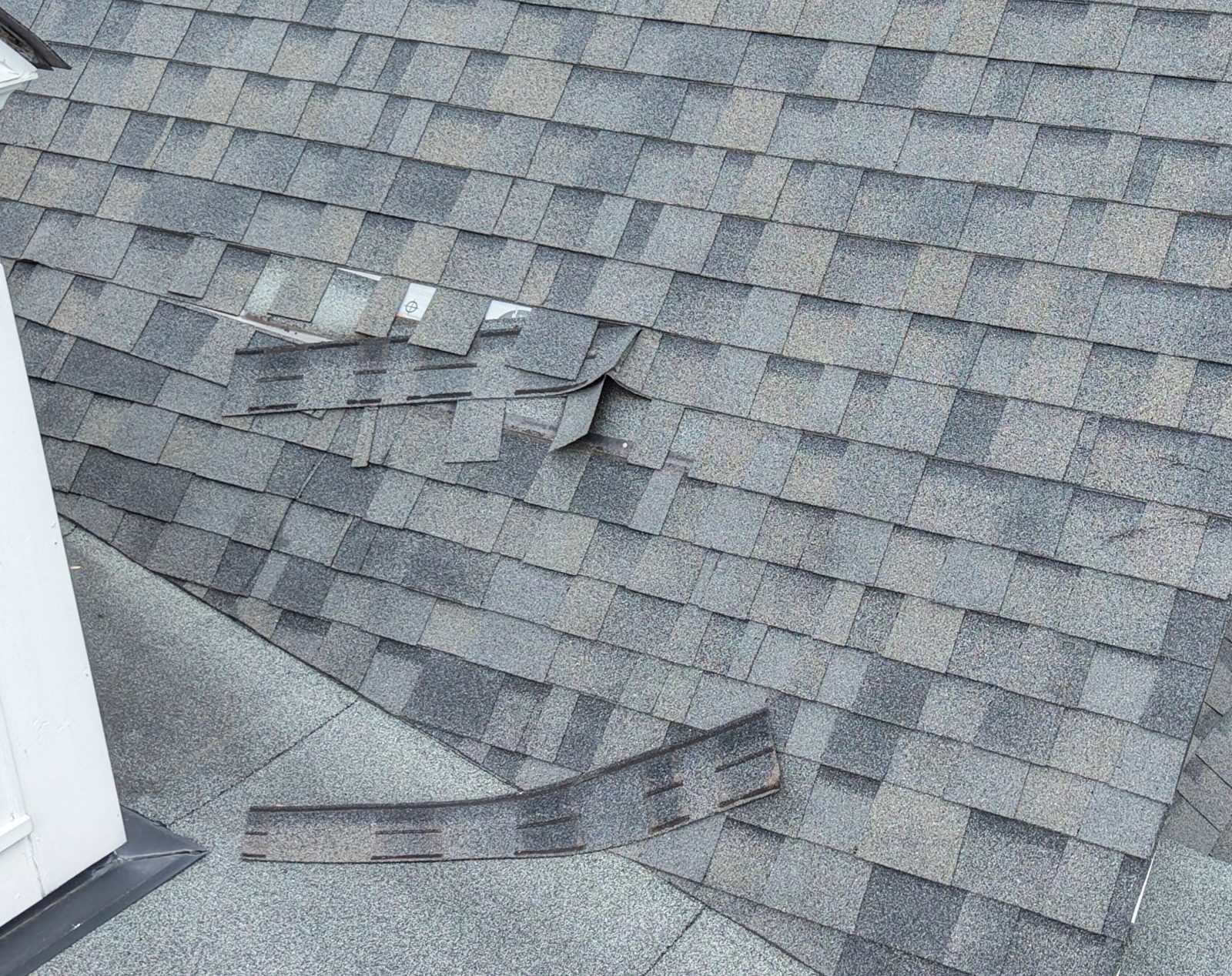
- Broken, cracked, curled or missing shingles
- Fallen trees or limbs on or near the roof
- Water stains on ceilings, or leaks and wet spots in the attic
- Bent, loose or missing gutter sections
- Broken or cracked skylights
- Blisters, cracks or tears along the roof edges, or damaged siding
- Dents on metal around the house: the mailbox, gutters, downspouts, a car or patio furniture
Hail damage
Hail punctures, fractures and tears shingles, which shortens their life even when the roof is not leaking yet. If you can’t get on the roof safely, look at the metal around your home. Dents on gutters, vents or the mailbox are a good sign the roof took hits too.
Wind damage
According to the National Roofing Contractors Association, most wind damage starts at the edges of the roof. Wind lifts loose material along the perimeter and the shingles peel back one after another. Once the seal is broken, water gets under the shingles and into the house. Curled, torn or missing shingles can usually be spotted from the ground. Also check pipe boots, gutters, chimney flashing, and windows for cracks, torn screens or loose weather stripping.
Tree damage
A limb through the roof needs attention right away. Fixing it now costs far less than fixing the water damage it lets in later. Photograph the damage thoroughly before anyone touches it, including you.
How We Handle Storm Damage and Insurance Claims
- Free storm inspection with photos. We document every hit, crease and missing shingle so you and your adjuster can see it.
- You call your insurance company. We recommend contacting your insurer to open a claim and get the damage assessed.
- We review the insurance estimate line by line. Before you decide anything, we check it against what your roof actually needs.
- We work with your adjuster. If something is missing, we help make sure your roof is covered for the damage it took.
- The repair or replacement, done right. Every component installed, so your manufacturer warranty stays valid.
What We Check on Your Insurance Estimate
Measurements
Insurance measurements are often short of what it takes to cover the whole roof.
Missing line items
Estimates can leave out components that matter for the structure and life of the roof.
Warranty problems
Skipping required components to save money can void the new roof’s warranty. We install the complete system.
Stay Away From Storm Chasers
After every big storm, out-of-town crews knock on doors offering a “free roof.” Many install with missing components and cheap materials that void the warranty. When the leaks show up a few years later, they are working in another state and you are left to fix it yourself. Charlotte Ace Roofing is locally owned and operated, and we answer the phone after the job is done.
Recent Storm Work
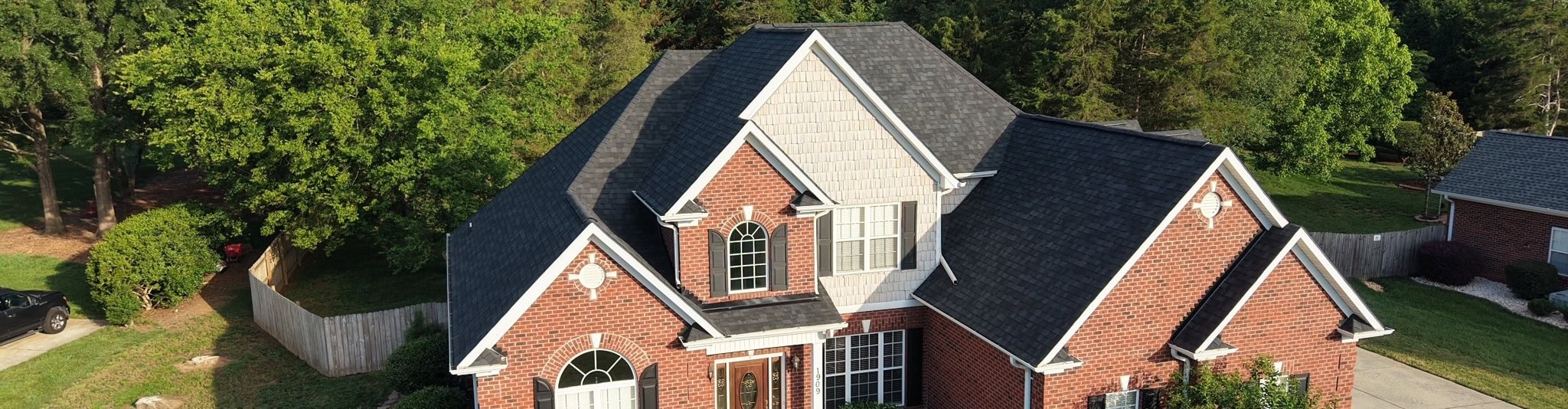
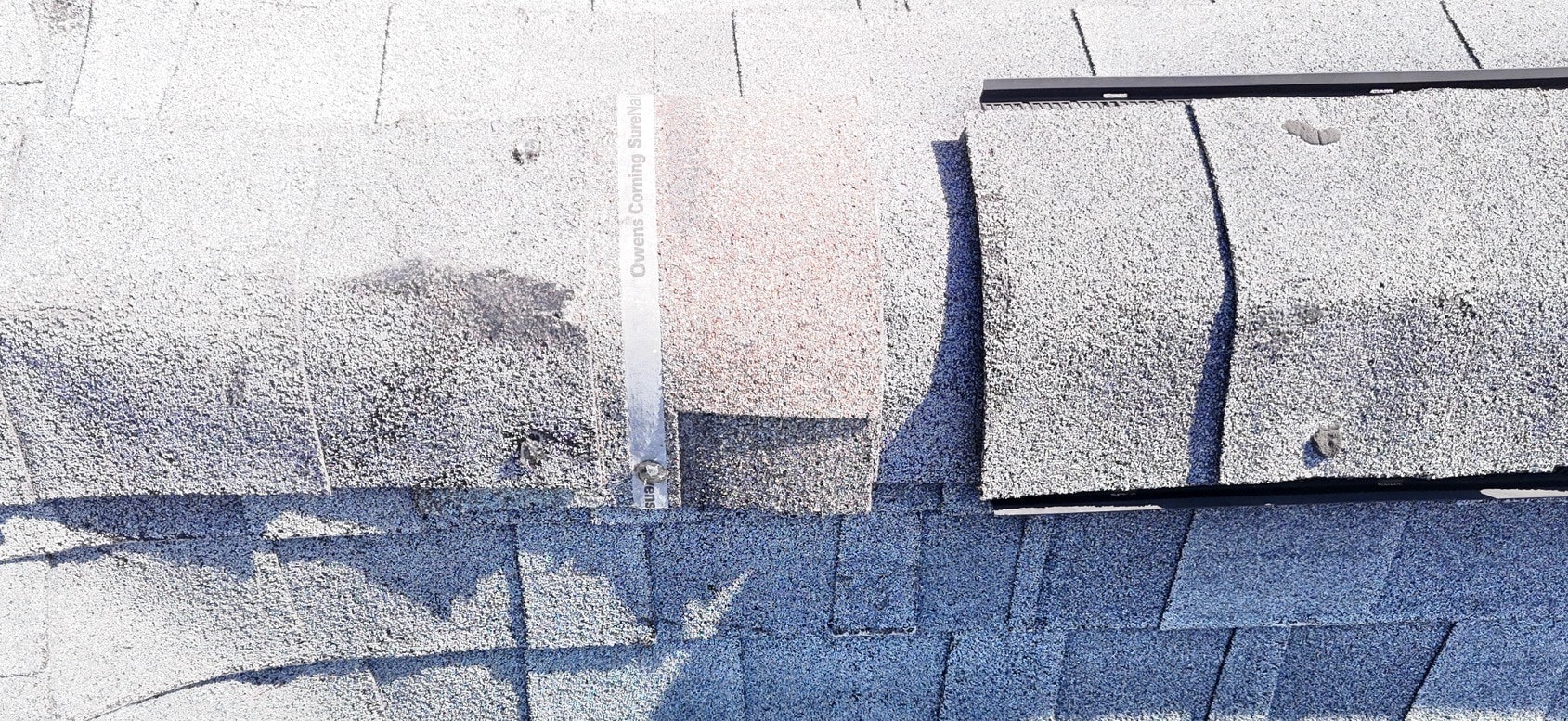
Storm Damage Repair Across the Charlotte Area
We work throughout Mecklenburg, Union, Gaston and Iredell counties, including Charlotte, Mint Hill, Matthews, Indian Trail, Stallings, Monroe, Waxhaw, Weddington, Marvin, Wesley Chapel, Pineville, Huntersville, Concord, Kannapolis, Belmont, Gastonia and Lake Park, plus Fort Mill and Rock Hill, South Carolina.
Storm Damage Questions
How do I know if my roof has hail or wind damage?
Look for missing, curled or cracked shingles, dents on gutters and other metal, and water stains inside. The surest way is a professional inspection, which we do for free with photos.
Will my insurance pay for a new roof?
It depends on your policy and the damage. We document the damage, review your insurance estimate and work with your adjuster, but your insurer makes the final decision.
Should I call my insurance company or a roofer first?
Either works. Many homeowners have us inspect first so they know whether there is real damage before opening a claim.
What is wrong with a “free roof” from a storm chaser?
Out-of-town crews often skip components and use low-grade materials, which can void your warranty, and they are gone when problems show up. Hire a local roofer you can call back.


Ready for an honest answer on your roof?
Call Charlotte Ace Roofing or send the form. We’ll inspect your roof for free and give you a written estimate with no obligation.