Choosing the Right Contractor for Asphalt Roof Replacement
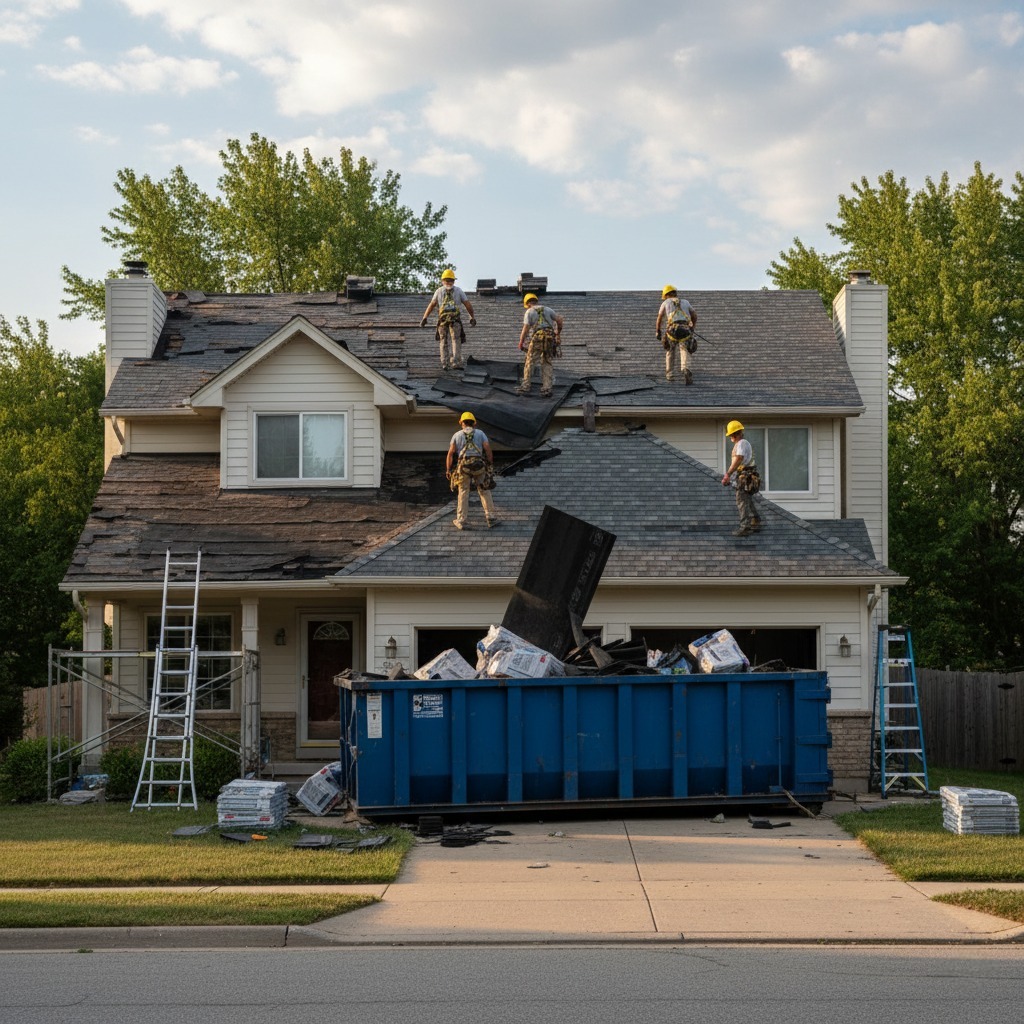
Replacing your roof represents one of the most significant investments you'll make in your home. Asphalt shingles remain the most popular roofing material in North America, covering approximately 80% of residential properties. When the time comes for asphalt roof replacement, the contractor you choose will directly impact the quality, longevity, and value you receive from this major project.
The decision-making process for selecting a roofing contractor shouldn't be rushed or taken lightly. A quality asphalt roof replacement performed by skilled professionals protects your home for 20 to 30 years or more. Conversely, poor workmanship or substandard materials can lead to premature failure, costly repairs, and ongoing frustration. Understanding what to look for in a contractor helps ensure your investment delivers the protection and peace of mind you deserve.
Key Qualities to Look for in a Roofing Contractor
Not all roofing contractors offer the same level of expertise, professionalism, or quality. Identifying key qualifications helps separate reliable professionals from those you should avoid.
Licensing and Insurance
Verify that any contractor you consider holds the proper licensing required in your state or locality. Roofing licenses demonstrate that contractors have met minimum standards for knowledge and competency. Check that licenses are current and in good standing—most state licensing boards maintain online databases where you can verify this information.
Insurance matters just as much as licensing. Contractors performing asphalt roof replacement should carry both general liability insurance and workers' compensation coverage. General liability protects your property if the contractor damages something during the project. Workers' compensation covers injuries to crew members working on your property.
Experience in Asphalt Roof Replacement
While all roofing work requires skill, asphalt shingle roof replacement has specific techniques and best practices. Look for contractors with substantial experience specifically in asphalt roofing rather than general construction companies that occasionally do roofing.
Ask how many asphalt roof replacement projects the company completes annually. Established roofing specialists typically handle dozens or even hundreds of projects each year. This volume means crews have refined their processes and encountered various situations, preparing them to handle unexpected issues professionally.
Solid Reputation and References
Research contractor reputations through multiple channels. Online reviews on platforms like Google, Yelp, and specialized contractor review sites provide insight into customer experiences. Look for patterns in feedback rather than focusing on isolated complaints or praise—every contractor occasionally has unhappy customers, but consistent issues suggest problems.
Request references from recent customers and actually contact them. Ask about work quality, professionalism, whether the project stayed on schedule and budget, and how the contractor handled any issues that arose. Finding out whether previous customers would hire the contractor again provides a valuable perspective.
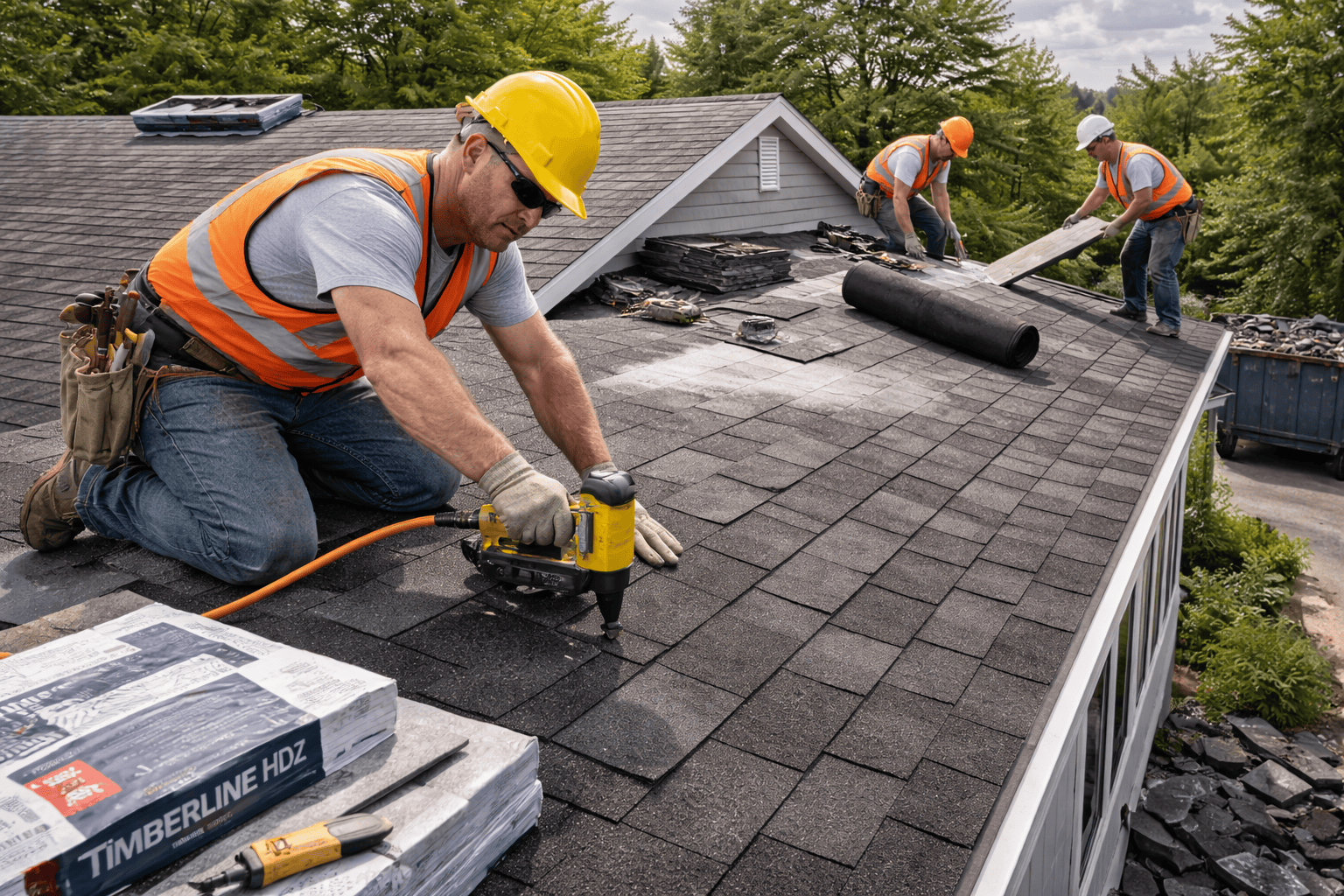
Cost Considerations for Asphalt Roof Replacement
Understanding typical costs and what influences pricing helps you budget appropriately and evaluate contractor quotes fairly.
How Much Does Asphalt Roof Replacement Typically Cost?
Asphalt roof replacement costs vary significantly based on location, roof size and complexity, and material quality. Most homeowners spend between $5,000 and $12,000 for a complete asphalt shingle roof replacement, with the national average around $8,000 to $9,000.
These figures represent total project costs, including tear-off of the old roof, disposal, materials, labor, and cleanup. Very small homes or simple roof designs might cost less, while large homes with complex roof layouts featuring multiple valleys, dormers, or steep pitches can exceed $15,000.
Factors Affecting the Cost of Asphalt Roof Replacement
Several variables influence what you'll pay for an asphalt shingles roof replacement:
- Roof size: Measured in squares (100 square feet each), larger roofs obviously cost more than smaller ones in both materials and labor.
Roof pitch and accessibility: Steep roofs require additional safety equipment and take longer to work on, increasing labor costs. Difficult access also adds time and expense. - Number of layers to remove: If your existing roof has multiple layers of old shingles, removal takes longer, and disposal costs increase. Most building codes now prohibit adding more than two layers total.
- Shingle quality: Three-tab shingles cost less than architectural or designer shingles. Higher-grade products with longer warranties increase material costs but often provide better value long-term.
- Additional work needed: Damaged decking requiring replacement, inadequate ventilation needing correction, or flashing that must be upgraded,d all of which can add to project costs.
- Waste factors: Complex roof shapes with many angles, valleys, and penetrations generate more waste material, requiring more shingles to complete the project.
Get detailed written estimates from at least three contractors performing asphalt roof replacement service. Compare not just bottom-line prices but what's included—materials specified, work scope, warranty terms, and project timeline. The lowest bid isn't always the best value if it uses inferior materials or cuts corners on important details.
The Asphalt Roof Replacement Process
Understanding what happens during asphalt roof replacement helps you know what to expect and evaluate whether contractors are performing work properly.
Initial Consultation and Inspection
The process begins with a thorough roof inspection. Reputable contractors climb onto your roof to examine its condition, identify issues, and take measurements. They should also inspect your attic for ventilation adequacy, insulation condition, and signs of previous leaks or moisture problems.
Based on this inspection, contractors provide detailed written estimates specifying materials, work scope, timeline, and costs. They should explain findings clearly, recommend appropriate shingle types for your situation, and answer all your questions without pressure tactics.
Roof Removal and Deck Inspection
On the project start day, crews protect your property by covering landscaping and parking dumpsters conveniently. Removal begins with stripping old shingles and underlayment down to the roof deck. This exposes the plywood or OSB sheathing underneath.
With the deck exposed, contractors inspect for damage. Soft spots, rot, or structural issues must be addressed before installing new roofing. Quality contractors don't skip this step—installing new shingles over damaged decking leads to premature failure.
Any necessary deck repairs happen at this stage. Damaged sections are cut out and replaced with new material matching the existing deck thickness and specifications.
Installing the New Roof
Installation begins with ice and water shield in vulnerable areas like valleys, eaves, and around penetrations. This self-sealing membrane provides extra protection where leaks most commonly occur.
Next comes synthetic underlayment covering the entire deck. This moisture barrier protects against wind-driven rain that might work under shingles. Modern synthetic underlayment outperforms traditional felt paper.
Flashing installation around chimneys, vent pipes, and roof-to-wall intersections comes before shingle installation. Proper flashing prevents the majority of roof leaks, so this step requires careful attention.
Final Inspection and Cleanup
After installation, a thorough cleanup removes all debris and nails. Magnetic sweepers collect nails from driveways, walkways, and yards. Dumpsters are hauled away, and landscaping protectionis removed.
A final walkthrough with the homeowner reviews completed work.
Contractors should explain warranty coverage, maintenance recommendations, and provide documentation, including permits, inspections, and warranty registration.
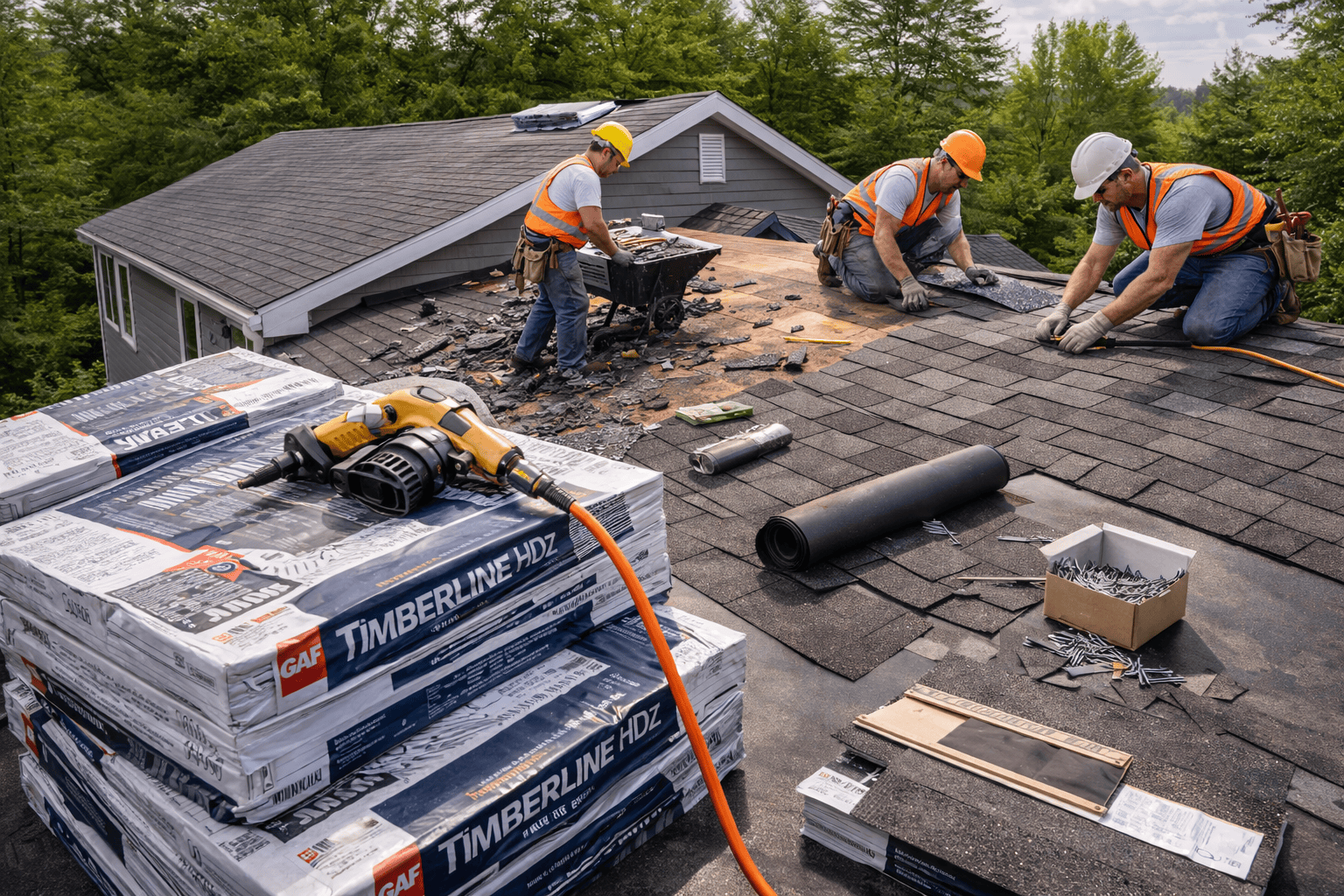
Tips for Maintaining Your New Asphalt Roof
Proper maintenance extends your new roof's lifespan and maintains warranty coverage.
Regular Roof Inspections
Inspect your roof at least twice yearly, typically in spring and fall. Look for missing, damaged, or lifted shingles. Check flashing around chimneys and vents for separation or damage. Examine for excessive granule loss in gutters, which indicates advanced wear.
After severe weather events, inspect for storm damage. Prompt identification of issues allows quick repairs before minor problems become major leaks.
Gutter and Debris Maintenance
Keep gutters clean and flowing freely. Clogged gutters cause water backup that can damage roof edges. Remove leaves, branches, and other debris from roof surfaces, especially in valleys where material accumulates.
Trim overhanging tree branches that scrape against or drop debris on your roof. This prevents damage to shingles and reduces moss growth in shaded areas.
Why Choosing the Right Roofing Contractor Matters
The contractor you select for asphalt roof replacement affects far more than just initial installation quality.
Avoiding Future Issues
Experienced contractors install roofs correctly the first time, following manufacturer specifications and building codes. This proper installation prevents common problems like premature shingle failure, ventilation issues causing ice dams, or improperly installed flashing leading to leaks.
Reputable contractors also stand behind their work. If issues arise within warranty periods, they return to make corrections. Fly-by-night operators disappear, leaving you with no recourse for defective workmanship.
Peace of Mind with Professional Roofing Services
Working with established professionals providing quality asphalt roof replacement service delivers peace of mind throughout the project and for years afterward. You know the work was performed correctly, the materials meet appropriate standards, and someone stands behind the installation.
Professional contractors communicate clearly throughout the process, arrive when scheduled, respect your property, and complete work within agreed timelines. This professionalism reduces stress during what can otherwise be a disruptive home improvement project.
Conclusion
Selecting the right contractor for asphalt roof replacement requires careful evaluation of qualifications, experience, reputation, and pricing. The contractor you choose determines whether your significant investment delivers decades of reliable protection or becomes a source of ongoing problems and expense.
Start by verifying licensing and insurance—non-negotiable requirements for any contractor you consider. Evaluate experience specifically in asphalt shingle roof replacement, as this specialized work requires particular knowledge and skills. Research reputations thoroughly through reviews, references, and industry standings.