Licensed Roofing Contractor vs. Unlicensed: What’s the Difference?
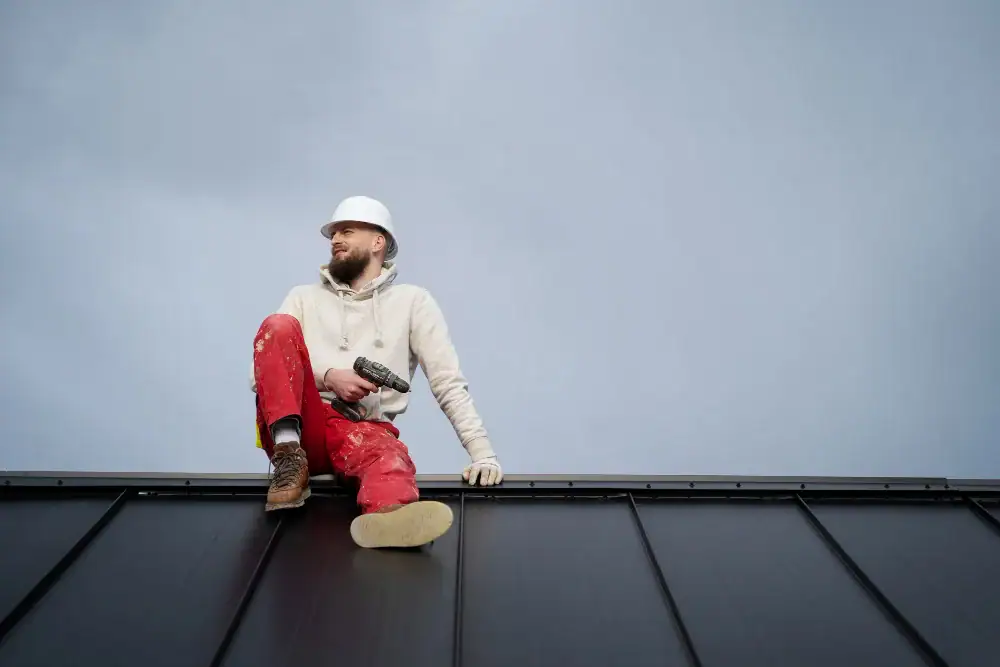
Your roof represents one of your home's most significant investments and its primary defense against the elements. When the time comes for repairs or replacement, the contractor you choose directly impacts the project's outcome, your financial security, and your home's long-term protection.
While unlicensed contractors might offer tempting lower prices, the risks far outweigh any initial savings. Understanding the differences between licensed and unlicensed professionals helps you make an informed decision that protects both your property and your wallet.
The Role of a Roofing License in Quality and Accountability
A roofing contractor license represents much more than just a piece of paper—it demonstrates a professional's commitment to meeting industry standards and legal requirements.
Proof of Professional Competence
Obtaining a roofing license requires meeting specific qualifications that vary by state but typically include demonstrating technical knowledge, passing examinations, and showing proof of experience. Licensed roofing contractors have invested time and resources into proving their competence.
This process ensures they understand proper installation techniques, safety protocols, building codes, and material specifications. When you hire a licensed roofing contractor, you're working with someone who has met minimum professional standards rather than gambling on someone's claimed abilities.
Accountability and Legal Protection
A roofing contractor license creates accountability through regulatory oversight. Licensed professionals must follow state and local regulations or risk losing their license. This regulatory framework gives homeowners recourse if problems arise.
If a licensed roofing contractor performs substandard work or violates agreements, you can file complaints with licensing boards that have the authority to investigate and impose penalties. Unlicensed contractors operate outside this system, leaving you with limited options for addressing disputes.
Insurance and Bonding Protection
Most states require licensed roofing contractors to carry liability insurance and workers' compensation coverage. These protections shield homeowners from financial responsibility if workers get injured on your property or if the work damages your home.
Bonding provides additional security, ensuring funds are available to complete your project or compensate you for deficient work. When you verify a roofing license, you can also confirm these critical protections are in place.

What Happens When You Hire an Unlicensed Roofing Contractor
The lower prices unlicensed contractors offer come with serious risks that can cost you far more in the long run.
Lack of Legal and Financial Protection
Unlicensed contractors typically don't carry proper insurance or bonding. If a worker falls from your roof and lacks workers' compensation coverage, you could face a lawsuit that threatens your home and assets. If the contractor damages your property, you might have no recourse for compensation. These financial risks dwarf any money saved on the initial bid.
Poor Workmanship and Safety Risks
Without licensing requirements to meet, unlicensed contractors may lack proper training and knowledge. They might use incorrect installation methods, substandard materials, or unsafe practices. Poor roofing work leads to leaks, structural damage, voided manufacturer warranties, and costly repairs. Some defects might not appear immediately, leaving you with expensive problems years down the road after the contractor has disappeared.
Warranty and Insurance Voids
Many roofing material manufacturers require installation by licensed professionals to honor warranties. Using an unlicensed contractor might void these warranties, leaving you without coverage for defective materials. Your homeowner's insurance may also deny claims for damage related to work performed by unlicensed contractors, compounding your financial exposure.
Legal Consequences for Homeowners
Some jurisdictions impose fines on homeowners who hire unlicensed contractors for work requiring a roofing contractor license. You might also face difficulties selling your home if inspections reveal unpermitted work performed by unlicensed contractors. Correcting these issues can cost thousands and delay or derail sales.
Key Differences Between Licensed and Unlicensed Roofing Contractors
Understanding specific differences helps you recognize why licensing matters so much.
Licensing and Qualifications
They have demonstrated knowledge through testing and experience requirements. They maintain current licenses by meeting continuing education requirements and staying informed about code changes and new techniques. Unlicensed contractors have no verified qualifications and may lack basic knowledge of proper roofing practices.
Insurance and Bonding
They carry verified insurance and bonding that protects you financially. Unlicensed contractors rarely have these protections, exposing you to significant liability. Always verify insurance certificates and bonding directly with providers rather than accepting documents at face value.
Work Quality and Standards
Licensed professionals must adhere to building codes and industry standards or risk their licenses. They understand local requirements and know how to navigate the permitting process. Unlicensed contractors may ignore codes entirely, creating safety hazards and legal problems. The work quality difference often becomes apparent only after problems develop.
Permitting and Inspections
Licensed roofing contractors obtain necessary permits and schedule required inspections. This ensures work meets code requirements and creates an official record of improvements to your property.
Unlicensed contractors typically skip permits to avoid scrutiny, leaving you with unpermitted work that can complicate insurance claims, property sales, and future renovations.
Dispute Resolution and Consumer Rights
When disputes arise with a licensed roofing contractor, you have multiple options, including licensing board complaints, bond claims, and civil court. The contractor's license provides leverage for resolving disagreements. With unlicensed contractors, you're left with limited options beyond expensive lawsuits against defendants who often lack assets to satisfy judgments.

Why Hiring a Licensed Roofing Contractor Matters
Making the right choice affects more than just the immediate project—it impacts your home's value, your financial security, and your peace of mind.
Long-Term Investment Protection
Your roof protects everything beneath it. Proper installation by licensed roofing contractors ensures this critical component performs as designed for decades. Poor work by unlicensed contractors can require complete replacement years before necessary, essentially forcing you to pay twice for the same roof.
Peace of Mind and Professionalism
Working with a licensed roofing contractor provides confidence that your project will be completed properly and professionally. These contractors value their reputations and licenses too much to risk them with shoddy work. They maintain permanent business locations, answer questions, and stand behind their work because they plan to remain in business for years to come.
Access to Quality Materials and Better Pricing
They have access to better materials at competitive prices. They can offer manufacturer warranties that require licensed installation. Their volume purchasing power sometimes lets them match or beat unlicensed competitors' pricing while providing significantly better value.
Verify Before You Hire
The choice between licensed and unlicensed roofing contractors comes down to protecting yourself and your investment. Licensed professionals bring verified competence, legal accountability, insurance protection, and commitment to quality standards. They navigate permitting requirements, follow building codes, and provide recourse if problems arise.
Unlicensed contractors offer nothing but risk—risk of injury liability, risk of poor workmanship, risk of voided warranties, and risk of legal problems. The modest savings on initial costs pale compared to potential expenses from accidents, defective work, or legal issues.
Before hiring any contractor, verify their roofing license status with your state licensing board. Confirm insurance coverage directly with providers. Check references and review past projects. Ask about permits and inspections. These simple steps protect you from costly mistakes and ensure your roofing project succeeds.