Roof Ventilation Installation and Its Impact on Roof Longevity
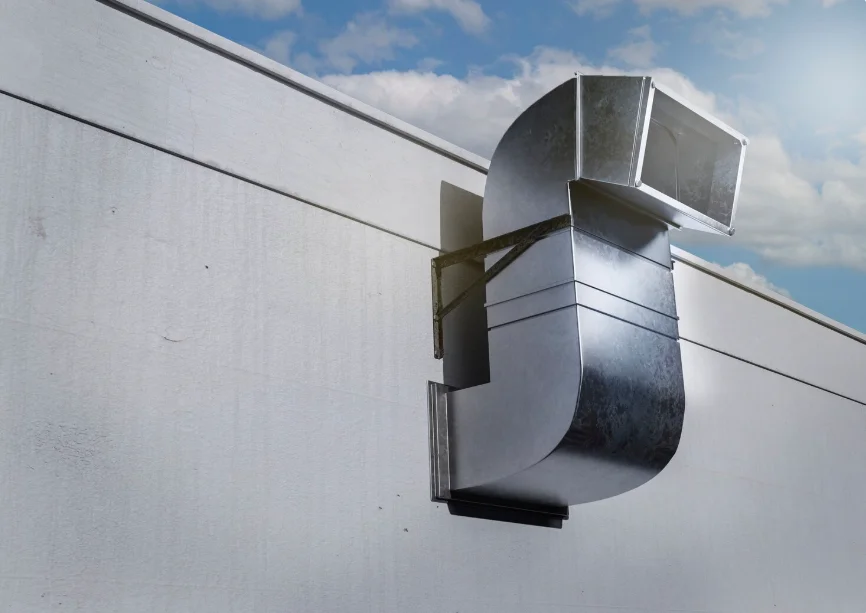
Most homeowners focus on visible roofing components like shingles or metal panels when considering roof durability. However, what you can't see often matters more than what you can. Proper roof ventilation works silently behind the scenes, protecting your entire roofing system from damage that significantly shortens its lifespan.
Without adequate ventilation, even premium roofing materials deteriorate prematurely, costing you thousands in early replacement expenses. Understanding how roof ventilation installation affects your roof's longevity helps you make informed decisions that protect your investment for decades.
The Role of Roof Ventilation Installation in Roof Longevity
A properly ventilated roof allows continuous air circulation through the attic space, creating conditions that preserve roofing materials and structural components.
Preventing Moisture Damage
Moisture represents the greatest enemy of roofing systems. Daily activities like cooking, showering, and laundry generate substantial water vapor that rises into attic spaces. Without proper roof ventilation installation, this moisture becomes trapped, condensing on cold surfaces during the winter months.
This condensation soaks insulation, reducing its effectiveness and promoting mold growth. It rots wooden roof decking, rafters, and trusses, compromising structural integrity. Professional roof ventilation services create airflow that carries moisture-laden air out of the attic before it can cause damage.
Reducing Heat Buildup
Summer sun can heat attic temperatures to 150°F or higher without adequate ventilation. This extreme heat radiates down into living spaces, forcing air conditioning systems to work harder and increasing energy costs.
More damaging, the intense heat accelerates shingle aging by breaking down asphalt compounds and causing premature curling, cracking, and granule loss. Quality roof ventilation installation dramatically reduces attic temperatures, extending shingle life and improving home comfort.
Avoiding Ice Dams in Cold Climates
Ice dams form when heat escaping through poorly ventilated roofs melts snow on upper roof sections. The meltwater flows down to colder eaves where it refreezes, creating ice barriers. Water backs up behind these dams, seeping under shingles and into homes.
Professional roof ventilation installation services help maintain consistent roof temperatures that prevent this melting-refreezing cycle, protecting against expensive ice dam damage.
Enhancing Overall Structural Health
Beyond protecting roofing materials, proper ventilation preserves your home's entire structure. It prevents the wood deterioration that weakens load-bearing components. It maintains insulation performance, keeping energy costs reasonable.
It creates conditions that discourage pest infestations in attic spaces. These benefits compound over time, with properly ventilated roofs often lasting decades longer than poorly ventilated counterparts.
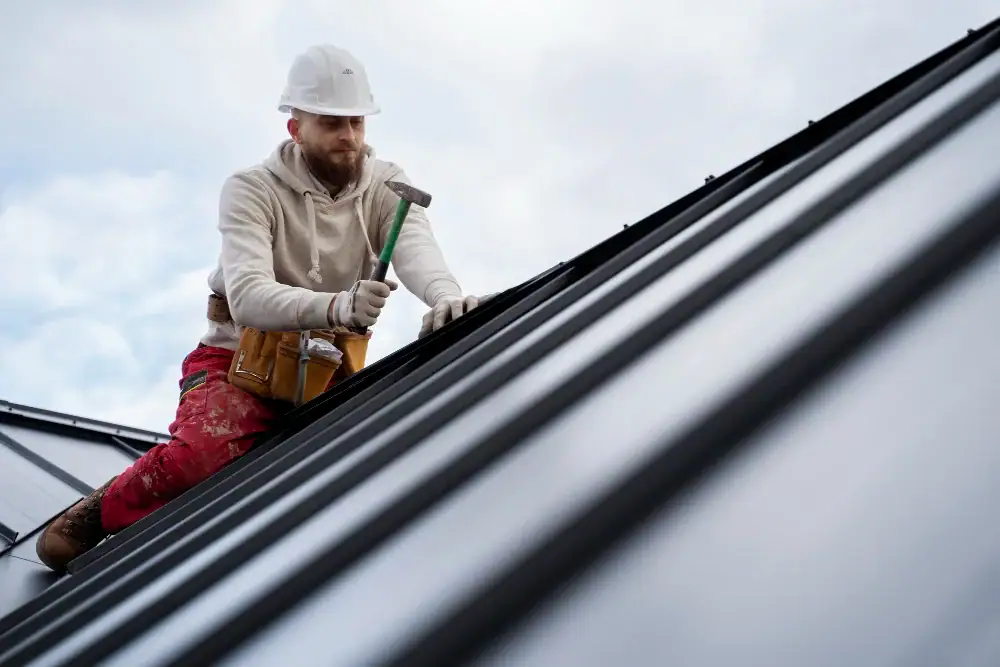
What to Expect From Professional Roof Ventilation Services
Hiring experienced professionals for roof ventilation installation ensures optimal results that DIY approaches rarely achieve.
Inspection and Assessment
Professional roof ventilation service begins with a thorough assessment of your current situation. Contractors inspect existing ventilation components, measure attic square footage, and evaluate insulation conditions. They check for moisture damage, inadequate airflow patterns, and code violations. They consider your roof design, local climate, and specific challenges your home presents. This comprehensive evaluation identifies exactly what ventilation improvements your roof needs.
Customized Ventilation Plan
One-size-fits-all approaches fail in ventilation. Professionals develop customized plans based on your roof's specific requirements. They calculate the proper balance between intake and exhaust ventilation according to building codes and manufacturer specifications. They determine optimal vent placement considering roof design, existing features, and aesthetic concerns. This planning ensures your roof ventilation installation delivers maximum effectiveness.
Professional Installation Process
Experienced contractors perform roof ventilation installation using techniques that protect your roof's integrity. They cut openings precisely, install vents securely, and seal penetrations completely to prevent leaks. They integrate new ventilation with existing systems seamlessly. They use proper materials rated for your climate and roofing type. Their expertise prevents the mistakes that plague amateur installations.
Safety and Code Compliance
Working on roofs involves significant safety risks. Professional contractors use proper fall protection equipment and follow safety protocols that protect workers and your property. They understand local building codes governing ventilation requirements and ensure installations meet or exceed these standards. Code-compliant installation protects your home's value and prevents problems during future property sales or inspections.
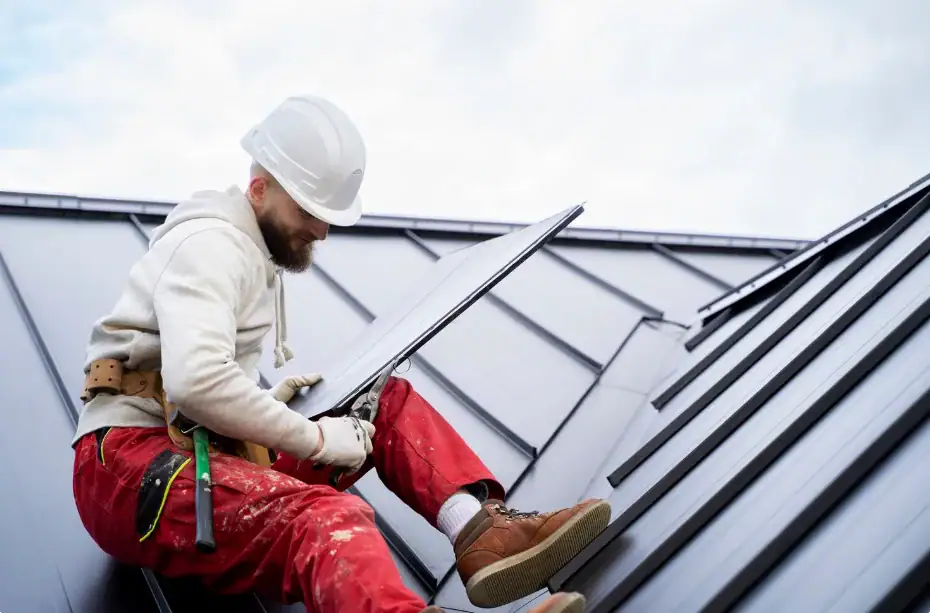
Roof Ventilation Installation vs. DIY: Why Professional Service Matters
While some home improvement projects suit DIY approaches, roof ventilation installation demands professional expertise for several critical reasons.
Correct Placement and Vent Sizing
Improper vent placement creates dead air zones where moisture accumulates despite having ventilation installed. Undersized vents don't move enough air to protect your roof. Oversized exhaust vents without adequate intake create negative pressure that can pull conditioned air from living spaces. Professionals understand the complex calculations determining proper vent sizing and placement. They consider factors like:
- Total attic square footage
- Roof pitch and configuration
- Existing ventilation components
- Local climate conditions
- Building code requirements
- Manufacturer specifications
- Balanced intake-to-exhaust ratios
Getting these calculations wrong wastes money on ineffective ventilation that doesn't protect your roof.
Preventing Roof Damage During Installation
Cutting holes in your roof seems straightforward until you damage rafters, sever electrical wiring, or create leaks from improper sealing. Professionals performing roof ventilation installation know how to identify safe cutting locations, avoid hidden obstacles, and seal penetrations correctly. They carry insurance covering any accidental damage. DIY mistakes often cost more to repair than professional installation would have cost initially.
Ensuring Balanced Intake and Exhaust
Effective ventilation requires balanced intake and exhaust. Most homes need soffit vents providing intake at eaves and ridge or roof vents creating exhaust at the peak. Improper balance renders ventilation ineffective or even counterproductive. Professional roof ventilation services measure and verify proper airflow patterns, ensuring the system functions as designed.
How Proper Ventilation Protects Your Roofing Investment
Understanding the connection between ventilation and roof longevity helps you appreciate why this often-overlooked component matters so much.
Extended Shingle Life
Manufacturers design asphalt shingles for specific temperature ranges. Excessive attic heat shortens their lifespan significantly. Studies show properly ventilated roofs extend shingle life by 20-40% compared to poorly ventilated equivalents. This means a 25-year rated roof might last 30-35 years with proper installation versus only 15-20 years without it. The savings from extended shingle life typically exceed ventilation installation costs several times over.
Lower Energy Costs
Reduced attic temperatures from effective ventilation decreases cooling demands during the summer months. Many homeowners see 10-15% reductions in cooling costs after professional roof ventilation installation services upgrade their systems. These savings continue year after year, providing ongoing return on your ventilation investment while improving home comfort.
Preserved Warranty Coverage
Most roofing material manufacturers require adequate ventilation to maintain warranty coverage. Installing premium shingles without proper ventilation voids warranties, leaving you unprotected if premature failures occur. Professional roof ventilation installation ensures your roof meets manufacturer requirements, protecting your warranty and your investment.
Increased Home Value
Properly ventilated roofs attract informed buyers who understand maintenance implications. Home inspections noting inadequate ventilation raise red flags that can derail sales or force price reductions. Investing in quality roof ventilation service protects and potentially increases your home's market value.
Making the Right Choice
Roof ventilation installation represents one of the smartest investments you can make in your home's long-term health. The relatively modest cost of professional installation services pays dividends through extended roof life, lower energy costs, prevented moisture damage, and maintained warranty coverage.
Don't treat ventilation as an afterthought or attempt DIY installation that might cause more problems than it solves. Professional contractors bring expertise that ensures your ventilation system protects your roof effectively. They understand the complex interplay between intake and exhaust, proper sizing calculations, code compliance, and installation techniques that prevent leaks.