The Top Causes of Shingle Roof Damage and How to Handle Shingle Roof Repair
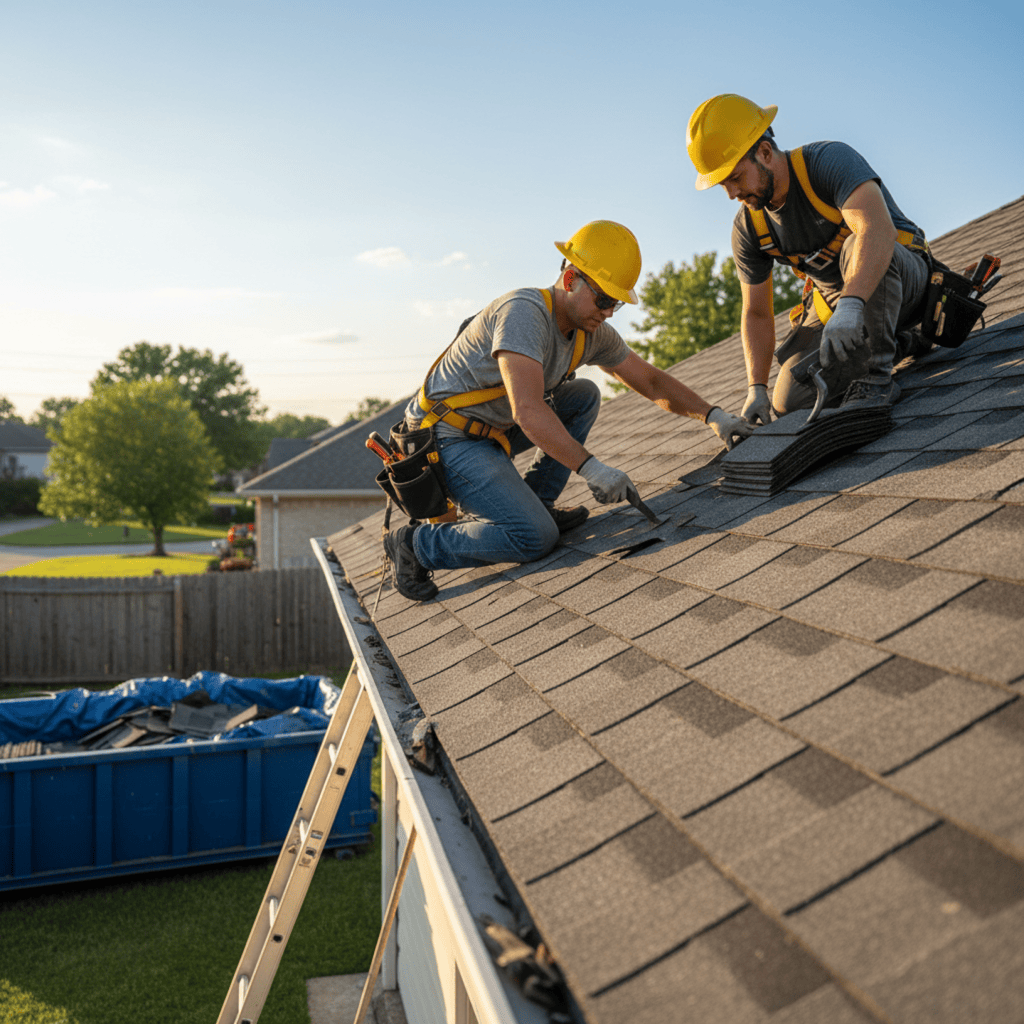
Your roof protects everything inside your home from the elements, and shingle roofing remains one of the most popular choices for residential properties across the country. However, even the most durable roofs face damage over time from various factors.
Understanding what causes shingle damage and knowing how to address it can save homeowners thousands of dollars in repair costs and prevent minor issues from becoming major problems.
Shingle roof damage doesn't always announce itself with obvious leaks or missing pieces. Sometimes damage develops gradually, hidden from view until it becomes serious. Learning to identify early warning signs and taking prompt action makes the difference between a simple repair and a complete roof replacement. This guide explores the main causes of shingle damage and provides practical advice on handling repairs effectively.
Common Causes of Shingle Roof Damage
Multiple factors contribute to shingle deterioration. Recognizing these causes helps homeowners take preventive measures and understand when damage occurs.
Age of the Roof
Nothing lasts forever, and roofs are no exception. Most asphalt shingle roofs carry warranties ranging from 15 to 30 years, depending on the quality of materials. As shingles age, they become brittle, lose their protective granules, and become more susceptible to damage from weather and environmental factors.
Even with excellent maintenance, an aging roof will eventually need replacement. However, regular shingle roof repair during the roof's lifetime can extend its useful years and delay the significant expense of full replacement.
Severe Weather Conditions
Weather represents one of the most common culprits behind shingle damage. High winds can lift and tear shingles, especially if they were improperly installed or have loosened with age. Wind-driven rain can work underneath damaged or lifted shingles, causing leaks and water damage to the underlying structure.
Hail causes particularly severe damage, creating dents, cracks, or holes that compromise shingle integrity. Heavy snow and ice buildup add weight that stresses the roof structure. Repeated freeze-thaw cycles cause shingles to expand and contract, eventually leading to cracks and splits. Areas with extreme temperature fluctuations or frequent severe weather typically see more frequent need for asphalt shingle roof repair.
Improper Installation
Quality installation matters tremendously for roof longevity. Shingles must be properly aligned, adequately fastened, and installed with correct overlap and spacing. When contractors take shortcuts or lack proper training, problems appear relatively quickly.
Common installation errors include using too few nails per shingle, failing to seal edges properly, incorrect flashing around chimneys and vents, and poor valley installation. These mistakes often lead to premature failure, requiring shingle roof repair much sooner than expected.
Lack of Maintenance
Neglecting regular roof maintenance accelerates damage. Debris like leaves, branches, and dirt accumulate in valleys and gutters, trapping moisture against shingles. This constant moisture exposure promotes deterioration and can lead to rot in the underlying roof deck.
Clogged gutters cause water to back up under shingles at the roof edges. Overhanging tree branches scrape against shingles during windy conditions, wearing away protective granules. Simple preventive maintenance prevents many issues that would otherwise require asphalt shingle roof leak repair.
Biological Growth
Algae, moss, and lichen growth on shingles isn't just unsightly—it damages roofing materials. Moss holds moisture against shingles and can actually lift them as it grows underneath. Algae and lichen feed on the limestone filler in asphalt shingles, breaking down the material over time.
This biological growth thrives in humid climates or on roof sections that receive limited sunlight. While it develops slowly, the cumulative damage can significantly shorten the roof's lifespan if left unchecked.
Poor Ventilation and Insulation
Proper attic ventilation and insulation play bigger roles in roof health than many homeowners realize. Inadequate ventilation traps heat and moisture in the attic space. This heat accelerates shingle aging from the underside, while moisture can cause rot in roof decking and structural timbers.
Poor insulation allows warm air from the home to reach the roof deck. In winter, this melts snow on the roof, which then refreezes at the eaves, creating ice dams. These ice dams prevent proper drainage and force water under shingles, often requiring asphalt shingle roof leak repair to address the resulting damage.

Identifying the Signs of Shingle Roof Damage
Early detection of roof problems allows for timely shingle roof repair before damage spreads. Homeowners should watch for these warning signs.
Visible Shingle Damage
From the ground or a ladder, you can often spot obvious damage. Missing shingles leave gaps exposing the underlayment or roof deck. Curling shingles have edges that turn upward or downward. Cracked or broken shingles show clear splits or pieces breaking away.
Blistering appears as bubbles or raised areas on shingle surfaces. Damaged or missing flashing around chimneys, vents, and roof edges creates vulnerable entry points for water. Regular visual inspections, especially after severe weather, help catch these issues early.
Water Stains and Leaks Inside the Home
Interior warning signs often indicate that roof problems have progressed beyond surface damage. Water stains on ceilings or walls usually appear as discolored patches, often yellowish or brown. These stains mean water has penetrated the roof and traveled through insulation and building materials.
Active leaks during or after rain clearly signal roof damage requiring immediate attention. Even small leaks cause significant damage over time, promoting mold growth and rotting structural components. Any interior water intrusion warrants prompt professional inspection and shingle roof repair.
Granule Loss and Shingle Wear
Asphalt shingles have protective granules that shield the underlying asphalt from UV damage and weathering. As shingles age or sustain damage, these granules loosen and wash into gutters. Check gutters and downspouts for excessive granule accumulation.
Shingles losing significant granules appear darker or have bare spots where the black asphalt shows through. This exposure accelerates deterioration and signals that shingle roof repair or replacement may be needed soon.
Sagging Roof Deck
A sagging or uneven roofline indicates serious structural problems. This might result from prolonged moisture exposure, rotting roof decking, inadequate initial construction, or excessive weight from snow or ice. Sagging requires immediate professional assessment, as it suggests the roof may be at risk of failure.
Shingle Roof Repair: When and How to Address Damage
Understanding when to repair versus replace, and knowing temporary measures versus permanent solutions, helps homeowners make informed decisions.
Minor Damage vs. Major Damage
Minor damage affecting a small number of shingles in a localized area can typically be repaired without replacing the entire roof. This includes a few missing or damaged shingles, small leaks, or damage from a fallen branch. Asphalt shingle roof repair for these issues is straightforward and relatively affordable.
Major damage affecting large sections of the roof, widespread leaks, or damage combined with an aging roof often makes replacement more cost-effective than extensive repairs. A professional inspection helps determine which approach makes financial sense.
Temporary Solutions for Leaks
When you discover a leak, temporary measures can limit damage until professional help arrives. Place buckets to catch dripping water and protect belongings. From the attic, you might be able to trace the leak path and mark it for repair crews.
For accessible exterior damage, a waterproof tarp secured over the damaged area can prevent further water intrusion during rain. However, these are truly temporary measures—proper shingle roof repair should follow as quickly as possible to prevent additional damage.
Professional Shingle Roof Repair Services
While handy homeowners might tackle very minor repairs, most situations benefit from professional expertise. Roofing contractors have the experience to properly diagnose problems, access appropriate materials, and perform repairs that actually last.
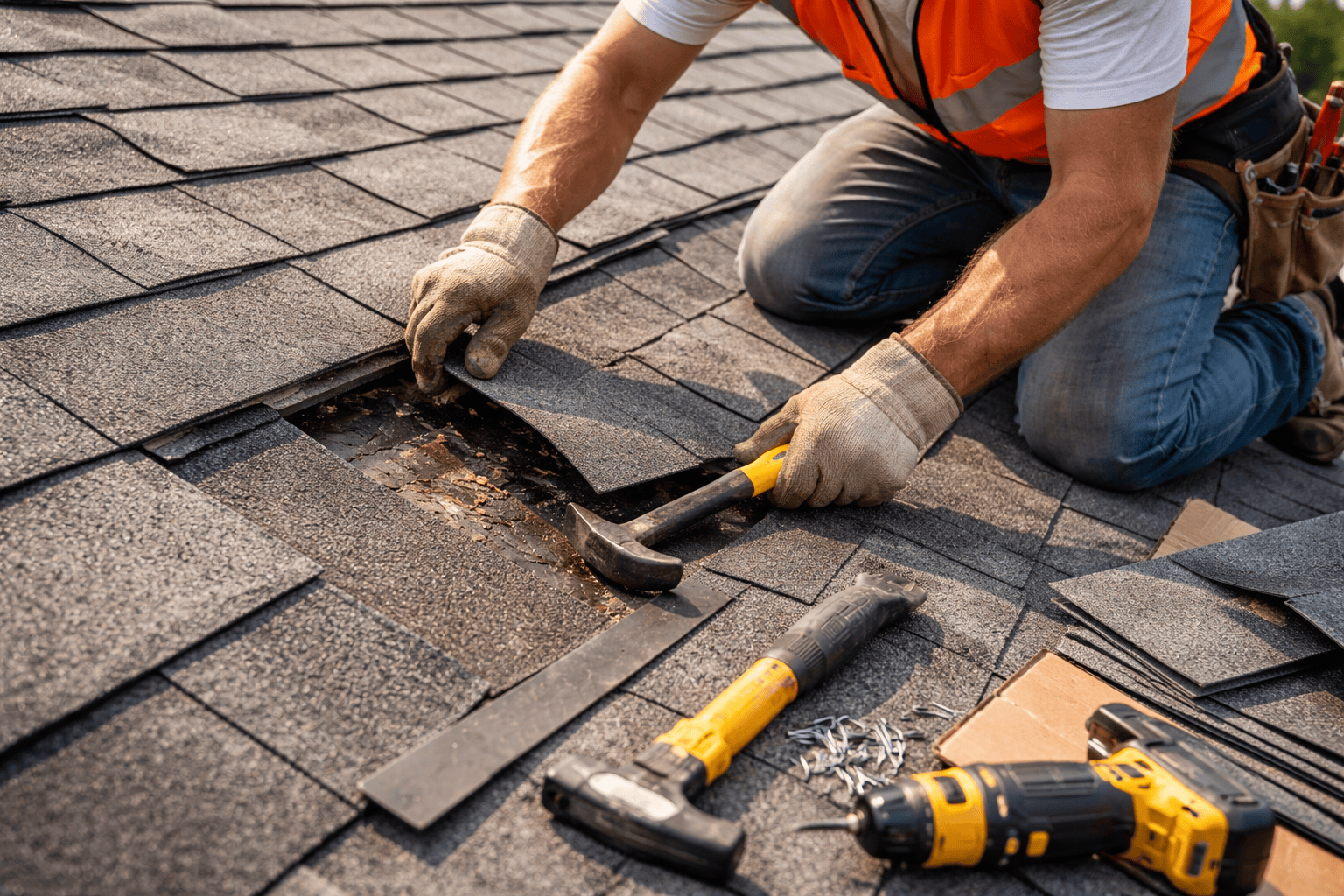
Professional asphalt shingle roof repair includes not just replacing damaged shingles but addressing underlying issues. This might involve repairing damaged roof decking, improving ventilation, or correcting installation errors. Contractors also ensure repairs match existing shingles and are properly integrated with surrounding materials.
Choosing the Right Roofing Contractor for Shingle Roof Repair
Finding a qualified, trustworthy contractor makes a significant difference in repair quality and cost.
Qualities to Look for in a Roofing Contractor
Start by verifying credentials. Contractors should carry both liability insurance and workers' compensation coverage. Many states require roofing licenses—confirm your contractor holds necessary licenses and that they're current.
Look for contractors with established local presence and good reputations. Check online reviews, but also ask for recent customer references and actually contact them. Experienced contractors can provide portfolios of completed work and should willingly answer questions about their processes and materials.
Getting Multiple Quotes
Always obtain at least three quotes for shingle roof repair work. This allows you to compare not just prices but also proposed solutions, materials quality, and contractor professionalism. The lowest bid isn't always the best choice—sometimes it indicates cut corners or lower quality materials.
When comparing quotes, ensure each contractor examined the same issues and proposed comparable solutions. Ask questions about any significant price differences. Understand what warranties cover both materials and workmanship, and get these warranty terms in writing.
Understanding Shingle Repair Cost
The shingle repair cost varies widely based on damage extent, roof accessibility, materials needed, and local labor rates. Minor repairs addressing a few damaged shingles might cost a few hundred dollars.
More extensive asphalt shingle roof leak repair involving multiple areas, underlayment replacement, or deck repairs can run into thousands.
Factors affecting cost include:
- Roof pitch and height (steeper or higher roofs cost more)
- Extent of damage and number of shingles needing replacement
- Whether the underlying deck or structure needs repair
- Flashing or valley work required
- Local labor rates and material costs
- Roof accessibility and complexity
Request itemized quotes so you understand exactly what you're paying for. Some contractors charge by the square foot (100 square feet), while others quote specific repair jobs individually.
Conclusion
Shingle roof damage stems from multiple sources—age, weather, poor installation, lack of maintenance, biological growth, and ventilation issues. Each cause requires different preventive measures and repair approaches. Recognizing damage early through regular inspections gives homeowners the best chance to address problems before they worsen.
The signs of damage range from obvious missing shingles to subtle interior water stains. Learning to spot these warnings helps protect your home and your investment. When damage appears, distinguishing between minor issues suitable for repair and major problems requiring replacement determines the most cost-effective solution.