Free estimates | 704-396-8383

Categories
Roofing

Roof Maintenance Services: Preventing Costly Repairs and Extending Roof Life

Your roof is one of the most critical components of your home, protecting you from the elements and ensuring your home’s structural integrity. Just like any other part of your house, your roof requires regular care and maintenance to function optimally.

Roof maintenance services play a critical role in preventing costly repairs and extending the life of your roof. By investing in regular roof maintenance, you can prevent costly roof repairs and keep your roof in optimal condition for years to come.

What Roof Maintenance Services Entail

Overview of Roof Maintenance

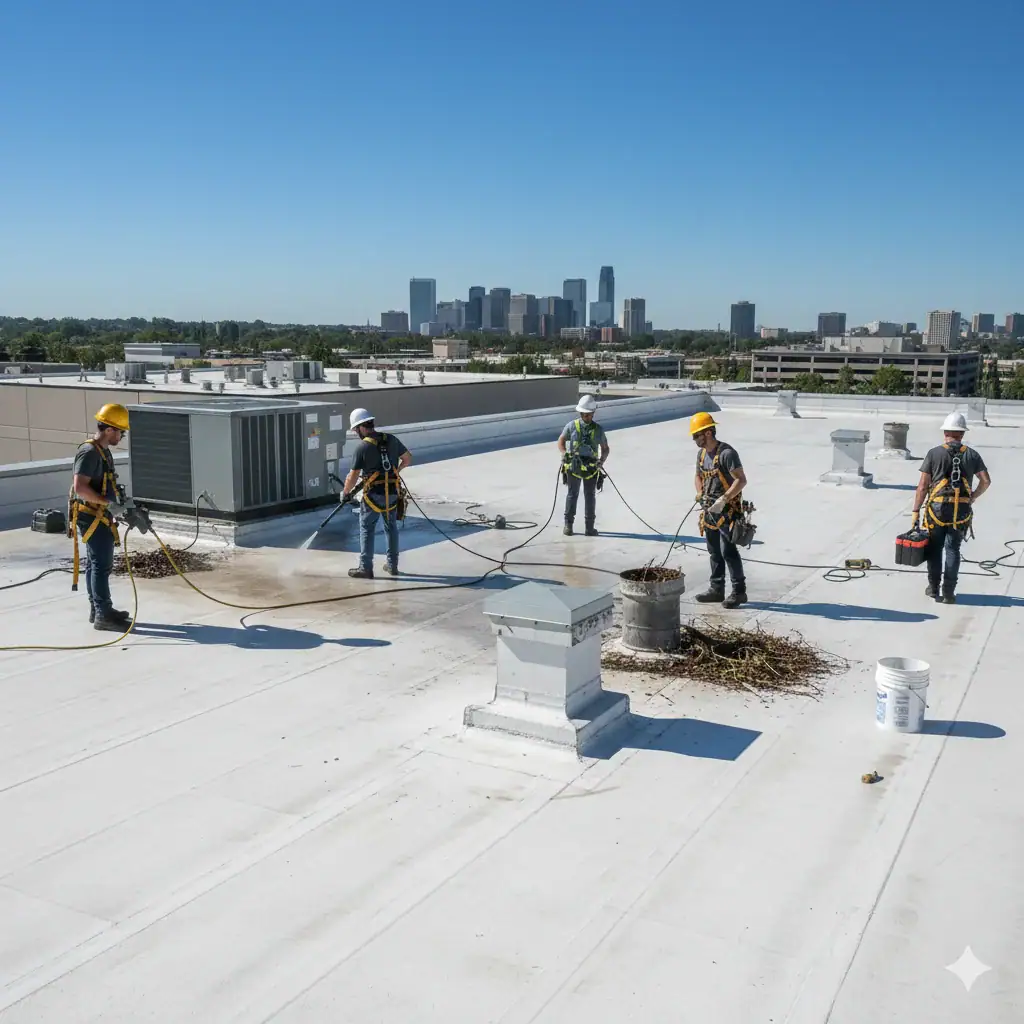
Roof maintenance services encompass a range of tasks designed to ensure that your roof remains in good condition throughout its lifespan. These services include regular inspections, cleaning, and minor repairs that can prevent major issues from developing.

Roof maintenance is not just about fixing leaks but also about proactively identifying and addressing problems before they become costly and time-consuming to repair.

Professional roof maintenance services typically include:

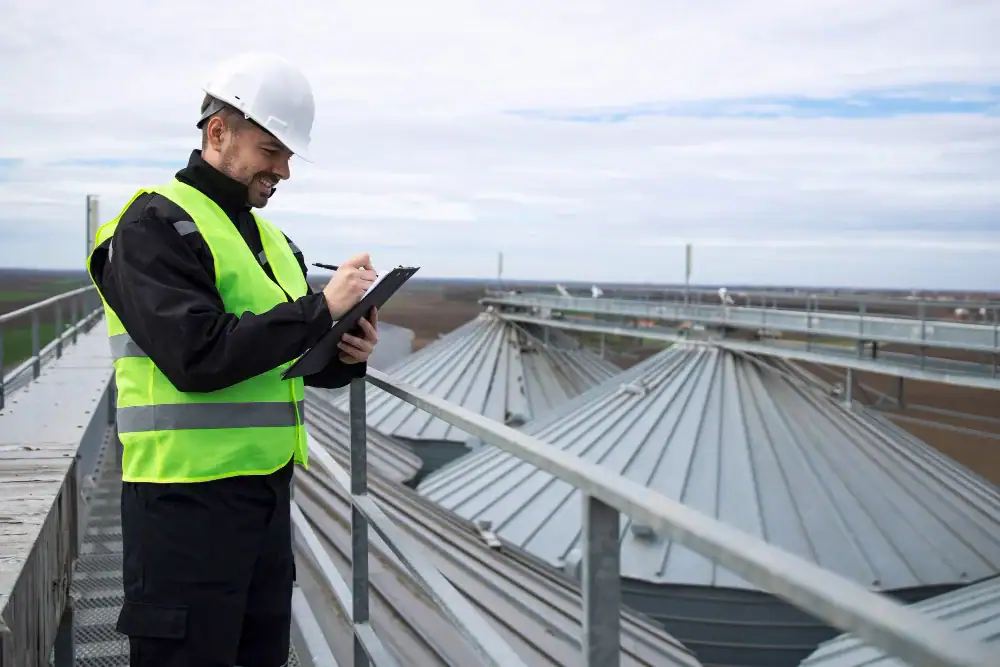
  • Routine inspections to check for damage, wear, and tear.
  • Gutter cleaning is necessary to ensure proper drainage and prevent water buildup.
  • Flashing checks to ensure seals around vents, chimneys, and skylights are intact.
  • Roof cleaning to remove debris, moss, and algae.
  • Minor repairs such as replacing damaged shingles or sealing small cracks.

By regularly scheduling roof maintenance, homeowners can address minor issues early on and avoid the need for more significant repairs later.

Professional Roof Maintenance Services

While basic roof maintenance tasks can sometimes be performed by homeowners, professional roof maintenance services offer a level of expertise that ensures all aspects of the roof are thoroughly inspected and maintained. Roofing professionals possess the expertise and tools necessary to identify hidden issues that may not be visible to the untrained eye.

Hiring a professional roofing company for regular inspections and maintenance provides the peace of mind that your roof is in the hands of experts who can ensure it remains durable and functional.

Common Roof Problems Addressed Through Regular Roof Maintenance

Preventing Roof Leaks

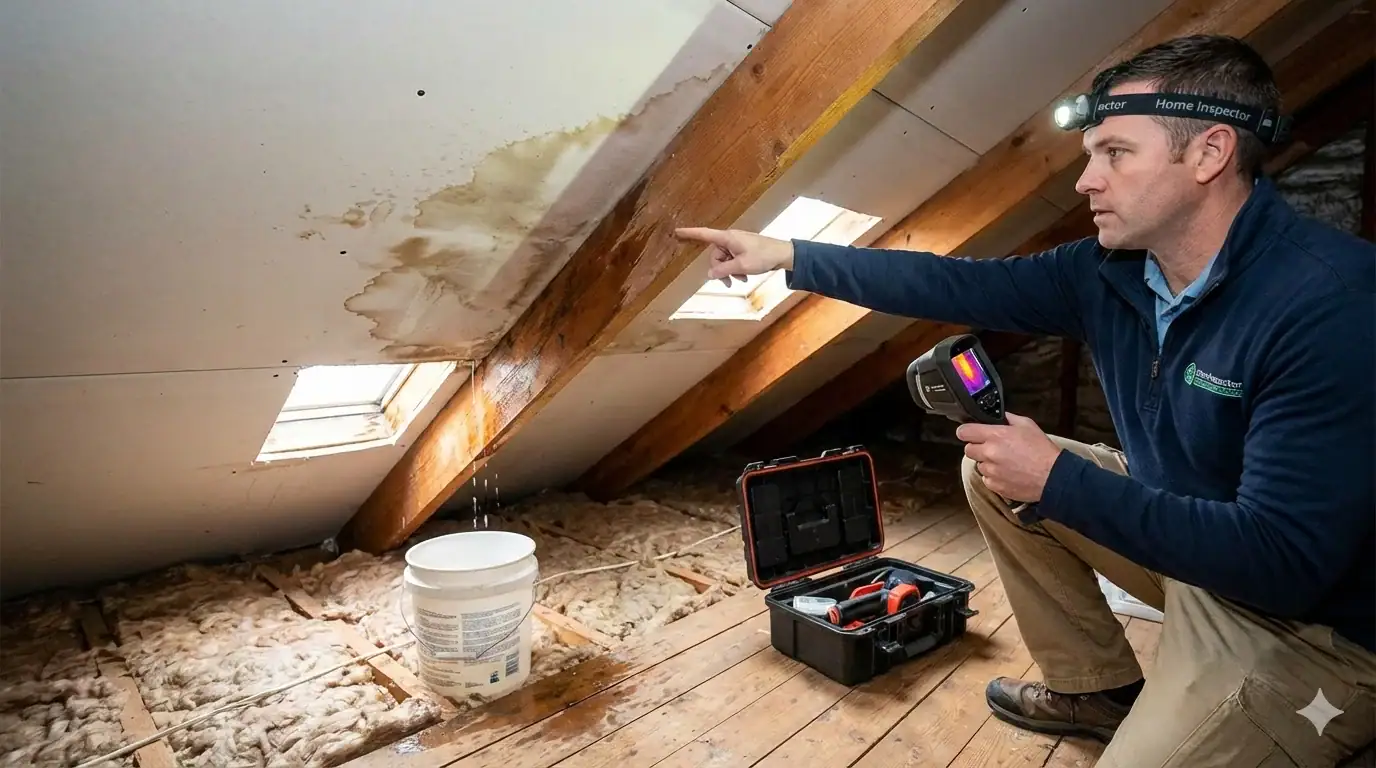
One of the most common issues that roof maintenance services help prevent is roof leaks. A small leak can lead to significant water damage, resulting in costly repairs and potential structural issues. Regular maintenance helps identify weak spots or damaged shingles that could allow water to penetrate, enabling prompt maintenance before they turn into major leaks.

Professional roof maintenance services typically include a comprehensive inspection for potential leak sources, ensuring that minor issues are addressed before they escalate.

Avoiding Structural Damage

Another issue that regular roof maintenance services address is structural damage. Over time, exposure to the elements can weaken the roof’s structure, especially if the roof is not maintained correctly. Problems such as sagging, rotting wood, or cracked shingles can lead to significant structural damage if left unchecked.

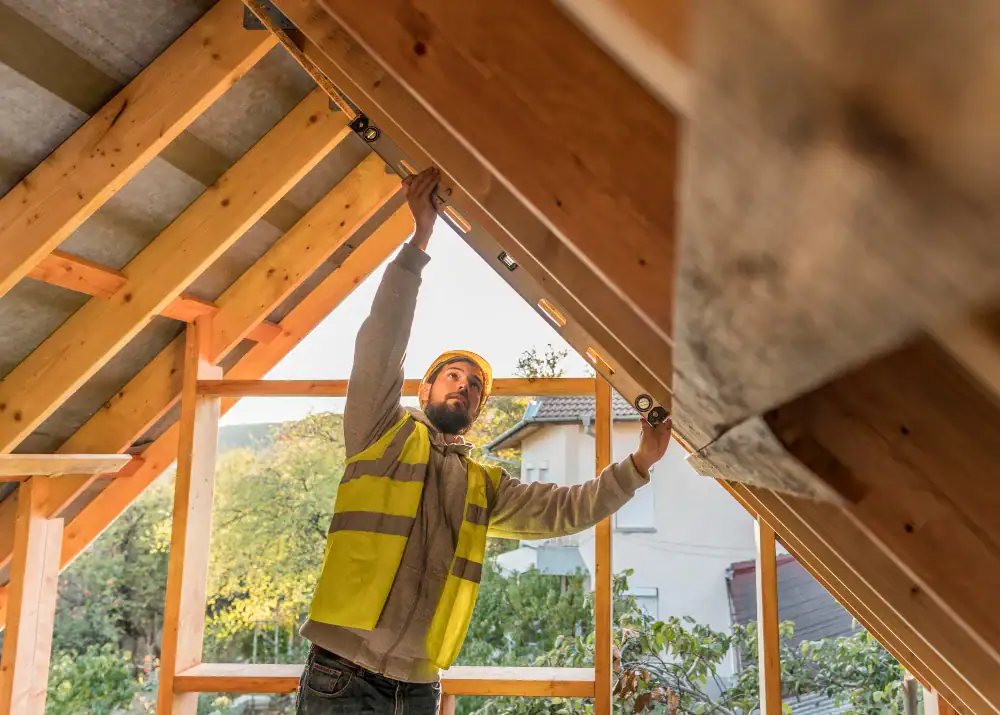
Roof maintenance involves inspecting the roof deck, rafters, and other structural components to ensure they remain in good condition. By detecting early signs of damage, you can avoid costly structural repairs that could result from neglecting the roof’s condition.

Preventing Moss, Algae, and Mold Growth

Moss, algae, and mold can thrive on a roof if it’s not maintained correctly, especially in damp or shaded areas. These growths can cause the roof material to deteriorate, resulting in more severe damage over time.

Roof maintenance service includes cleaning the roof to remove debris and prevent the growth of moss or algae. Regular maintenance helps prevent these issues from damaging your roof and ensures that your roof continues to perform its role in protecting your home.

Ensuring Proper Ventilation

Proper roof ventilation is essential for maintaining a healthy and energy-efficient home. Poor ventilation can lead to a buildup of moisture in the attic, which can cause mold growth and deteriorate the roof decking.

A roof maintenance service includes inspecting your roof’s ventilation system and ensuring that air can circulate properly through the attic. This helps prevent moisture-related problems and reduces the risk of damage.

Cost Savings through Roof Maintenance Services

Reducing the Need for Expensive Roof Repairs

The most significant advantage of roof maintenance services is the cost savings they provide. By regularly inspecting and maintaining your roof, you can identify and address minor issues before they escalate into significant problems.

Roof leaks, missing shingles, or other minor problems can be repaired quickly and inexpensively when detected early. However, if these problems are ignored, they can lead to more severe damage, which will require costly repairs or even roof replacement.

Investing in regular professional roof maintenance services helps prevent these expensive repairs, saving you money in the long term.

Maximizing Roof Lifespan

Proper roof maintenance is the key to maximizing the lifespan of your roof. Well-maintained roofs can last significantly longer than those that are neglected. While the roof repair and maintenance services can’t prevent wear and tear entirely, they can ensure that your roof reaches its maximum lifespan before needing replacement.

For example, metal roofs, when properly maintained, can last 40-70 years, and asphalt shingle roofs can last 20-30 years. Neglecting maintenance, on the other hand, could reduce the lifespan of your roof by several years, costing you more money in the long run.

Insurance Benefits

Insurance companies often reward homeowners who take proactive steps to maintain their roofs. Some insurance providers offer discounts or incentives to homeowners who schedule regular roof maintenance. By demonstrating that your roof is well-maintained, you may qualify for lower premiums or discounts on your homeowner’s insurance.

The Role of Professional Roof Maintenance Services in Preventing Costly Repairs

Thorough Inspections by Roofing Experts

One of the key benefits of roof maintenance services provided by professionals is the thoroughness of the inspections. Professional roofing contractors have the experience and training necessary to spot minor issues that might be overlooked by homeowners.

They can check for damage in hard-to-reach areas, such as the roof deck, flashing, and underlayment, ensuring that your roof remains in optimal condition.

Addressing Minor Issues Before They Become Major

Professional roof maintenance services are proactive in addressing issues before they become significant problems. By catching small leaks, missing shingles, or areas of wear early, roofing contractors can repair these issues before they cause extensive damage. This prevents costly repairs, reduces the need for emergency roof repairs, and helps protect your home from water damage and structural issues.

Ongoing Maintenance and Long-Term Roof Health

Roof maintenance is not a one-time task—it requires ongoing care. Scheduling regular maintenance visits ensures that your roof remains in good condition over the years. A roof maintenance service provider will work with you to develop a long-term plan for maintaining your roof and addressing any issues as they arise.

By keeping up with regular inspections and maintenance, you can extend the lifespan of your roof, prevent costly repairs, and maintain the safety and integrity of your home.

Roof Repair and Maintenance Services: Finding the Right Provider

How to Choose a Reliable Roof Maintenance Service

When selecting a roof maintenance service, it’s essential to choose a provider with a proven track record of quality work and reliability. Look for roofing contractors who are licensed, insured, and have positive reviews from past customers. A reputable roofing company will offer a detailed maintenance plan, conduct thorough inspections, and provide transparent, honest pricing.

What to Expect During a Roof Maintenance Service Visit

During a roof maintenance service visit, a professional roofing contractor will inspect your roof for signs of damage, clean gutters, check the flashing, and perform any necessary minor repairs. They may also recommend specific maintenance tasks based on the type of roof you have and its age.

A good contractor will provide you with a report detailing their findings, including any repairs that were made or that will be needed in the future.

Conclusion

Regular roof maintenance services are critical for protecting your home, extending the life of your roof, and preventing costly repairs. Whether you are dealing with a flat roof or a sloped roof, ongoing maintenance helps prevent issues like leaks, mold growth, and structural damage, saving you money in the long run.

By investing in professional roof maintenance services, you can avoid the need for emergency repairs, maximize the lifespan of your roof, and protect the integrity of your home. If you haven’t scheduled a roof maintenance service recently, it’s time to take action and ensure your roof remains in top condition for years to come. Don’t wait until small issues become major problems—schedule your roof maintenance service today.


Categories
Roofing

Roof Leak Repair: Why Timing is Critical for Preventing Further Damage

A roof leak is one of the most common but concerning problems that homeowners face. While it may start as a small issue, a leaking roof can lead to severe damage if left unaddressed.

Roof leak repair is crucial not only for preserving the structural integrity of your home but also for preventing further damage that could result in higher repair costs, mold growth, and other hazards. The timing of your roof leak repair can significantly affect the overall outcome of the repair process and your home’s safety.

How Roof Leaks Develop and the Risk of Delay

The Causes of Roof Leaks

Roof leaks can develop for several reasons, and understanding the common causes helps homeowners identify and address potential issues early. Some of the most common causes of roof leaks include:

  • Aging Roof Materials: Over time, roofing materials like shingles, tiles, or metal panels can deteriorate due to exposure to the elements, which can lead to cracks and gaps where water can enter.
  • Poor Installation: If the roof was poorly installed or the materials were not properly secured, water can infiltrate the roof, especially during storms.
  • Clogged Gutters: Blocked gutters can prevent water from draining properly, which can lead to water backing up and seeping under the roof’s edge.
  • Damaged Flashing: Flashing around roof features like chimneys, vents, and skylights can corrode or become displaced, creating vulnerable points for water to seep in.
  • Extreme Weather: Hail, strong winds, and heavy rain can cause sudden damage to roofs, leaving cracks or displaced shingles.

The Dangers of Ignoring Roof Leaks

Ignoring a roof leak can lead to a host of problems, making leaking roof repair much more difficult and expensive. Many homeowners may overlook a small leak, assuming it will be manageable. However, even a small leak can cause extensive damage if left unchecked. Water can quickly spread through the roof, infiltrating the attic, walls, and insulation, leading to larger problems.

The longer a leak is ignored, the more likely it is to cause significant damage, which can eventually compromise the structural integrity of your home. Roof leak repair is not just about fixing the immediate issue, but also preventing these long-term consequences.

The Impact of Delayed Roof Leak Repair on Your Home

Structural Damage

One of the most serious consequences of delayed roof leak repair is structural damage. When water is allowed to penetrate your home’s roofing system, it can cause damage to the wooden framework, ceiling beams, and insulation. Over time, the moisture can weaken the roof’s support structure, leading to sagging, rotting, or even collapse in extreme cases.

If the leak affects electrical wiring or other components, the risk of fire or electrical hazards increases. Neglecting roof leak repair can lead to costly structural repairs and make the home unsafe.

Mold and Mildew Growth

Another major issue caused by delayed roof leak repair is mold and mildew growth. Moisture that seeps into your home can lead to the growth of mold in hidden areas such as the attic, inside walls, or under flooring. Mold thrives in damp environments, and once it begins to spread, it can damage materials and negatively affect indoor air quality.

Mold can also pose health risks, especially for individuals with respiratory issues or allergies. Early roof leak repair can help prevent these health hazards and minimize the damage caused by mold growth.

Increased Roof Leak Repair Costs

The longer you wait to address a roof leak, the more expensive the repairs will likely be. A small leak that could be easily fixed may eventually lead to larger problems, such as damage to the roof deck, insulation, and interior walls. The cost increases when more extensive work is needed, and you may also need to replace parts of the roofing system that would have been fine with timely maintenance.

Ignoring minor issues or delaying repairs can lead to a much more expensive situation in the long run.

The Process of Roof Leak Repair: Why Prompt Action Matters

The Initial Assessment: Early Detection

The first step in any repair process is the assessment. Prompt action is crucial for identifying the leak’s source and determining the extent of the damage. A professional roofer will conduct a thorough inspection of your roof, attic, and surrounding areas to locate the leak and identify any hidden damage.

Early detection is key to minimizing repair costs and preventing further damage. A quick response can help pinpoint the issue before it spreads, saving both time and money in the long run.

The Repair Process: Timeliness in Action

Once the assessment is complete, the roofing contractor will proceed with repairing the leak. Depending on the extent of the damage, this might involve replacing damaged shingles, fixing flashing, or repairing the roof deck. Timely roof leak repair ensures that repairs are done efficiently and that the roof can continue to perform its primary function—protecting your home from the elements.

The repair process is usually faster and less expensive when addressed early, as it reduces the need for extensive repairs or replacement of roof components. Prolonged delays, however, can complicate the process and increase the cost.

Roof Leak Repair Cost: How Timing Affects Expenses

Cost Breakdown for Delayed vs. Timely Repairs

The cost to repair a roof leak is significantly lower if the problem is addressed quickly. A small repair, such as replacing a few shingles or sealing a minor crack, is usually inexpensive and can be completed in a short time. However, when the leak is left untreated, the damage may spread to the roof deck or walls, requiring more extensive work. As the problem worsens, the cost of repair increases.

Here’s a breakdown of costs for timely versus delayed repairs:

  • Timely Repairs: Small leaks or minor damage—cost-effective repairs, often requiring minimal labor and materials.
  • Delayed Repairs: Extensive damage affecting the roof structure, insulation, or walls—more expensive repairs, longer labor, and additional materials required.

Insurance Considerations

Insurance companies may cover roof repairs, but many policies require that you make repairs promptly to prevent further damage. If you delay repairs and allow the situation to worsen, your insurance company may refuse to cover the additional costs. In some cases, they may even deny your claim altogether if it’s determined that neglect contributed to the damage.

Prompt roof leak repair helps ensure that you can file an insurance claim and receive the compensation you’re entitled to. Be sure to consult with your insurance provider and your contractor to ensure the repairs meet the necessary requirements for reimbursement.

Conclusion: The Importance of Timely Roof Leak Repairs

Delaying roof leak repair can lead to significant damage, higher costs, and potential health risks from mold growth and water damage. Homeowners should act quickly when they notice a roof leak to minimize these risks and prevent further damage.

The best way to protect your home and save money in the long run is to address roof leaks as soon as they are detected. Schedule a roof leak repair inspection with a professional to ensure that your home stays dry, safe, and well-protected.

Whether it’s a minor fix or a major repair, timely action will help preserve your home’s structural integrity and avoid costly future repairs.


Categories
Roofing

Hail Damage Roof Inspection: Common Issues Found by Experts

Hailstorms can cause significant damage to your roof, leaving behind issues that may not be immediately obvious to homeowners. After a hailstorm, it’s essential to perform a hail damage roof inspection to evaluate the extent of the damage and prevent any long-term issues.

Hail can compromise the integrity of your roof, leading to leaks, weakened structural components, and costly repairs if left unaddressed.

Why Hail Damage Roof Inspections Are Critical

Preventing Further Damage

Hailstorms, as well, result in immediate damage, but hail damage to your roof may yet worsen over a period of time if not treated. A hail damage roof inspection will assist in determining both obvious and hidden issues that can result in leaks, mold, and roof structural damage.

With the knowledge of these issues ahead of time, you can prevent them from becoming more damaging and costly issues down the road.
Should the damage go untreated, water could seep into your home and result in ceiling, wall, and insulation damage. Hail damage roof inspections guarantee these issues are identified and that your home is not put through further damage.

Insurance and Claims

Many homeowners rely on their insurance to pay for the cost of repairs after there has been a hailstorm. However, to make a successful insurance claim, you need to have proof of the damage. A qualified hail damage roof inspection can provide a detailed report of the damage, and this is where a successful insurance claim succeeds or fails. Without getting this inspection completed, you might end up losing out on claiming the full amount that is yours.

Having a professional make an inspection for roof hail damage also ensures that nothing is missed. Most insurance companies will insist on an inspection by a licensed roofer to verify the extent of the damage before they will approve a claim.

Common Hail Damage Issues Found During a Roof Inspection

Dented or Cracked Shingles

One of the most common issues identified during a hail damage roof inspection is dented or cracked shingles. When hailstones hit the shingles, they can cause small dents or cracks that are not always visible to the naked eye. These cracks can expose the underlying layers of the roof to water, leading to leaks and other damage over time.

In a roof hail damage inspection, roofing experts will look for signs of damage that may compromise the roof’s ability to protect your home. They will also check for areas where the shingles have been displaced, which can lead to gaps where water can enter.

Granule Loss from Asphalt Shingles

Another common problem with asphalt shingles after a hailstorm is granule loss. Granules are the protective coating on asphalt shingles that help prevent UV damage and provide weather resistance.

Hailstones can cause these granules to dislodge, which can lead to the degradation of the shingles. Without the granules, the shingles become more vulnerable to further damage from the sun and weather, shortening the lifespan of the roof.

A roof inspection for hail damage will focus on checking for areas where granules have been knocked off, as this is a key indicator of damage. Homeowners may also notice granules in their gutters, which is a sign that their roof needs immediate attention.

Cracked or Broken Tiles (for Tile Roofs)

For homes with tile roofing, hail can cause cracked or broken tiles. These tiles are more fragile than other materials and are often the first to show visible signs of damage during a hailstorm. Cracked or broken tiles not only affect the appearance of the roof but can also create gaps that allow water to enter.

During a hail damage roof inspection, the contractor will inspect the tiles for any cracks or breaks that could lead to leaks. Tile roof damage often requires prompt repair to avoid water infiltration that can damage the underlying roofing system.

Roof Deck and Structural Damage

Impact on the Roof Decking

While hail typically affects the exterior covering of the roof, it can also injure the roof decking, the structural foundation of your roof. Big enough hailstones can dent or crack the decking, compromising the entire structure of the roof.

Hail damage roof inspection will also check the roof decking for any marks of impact. If the decking is impaired, this can lead to other serious issues such as leaks, water damage, and mold, which might impact your entire house structure.

Structural Compromise and Water Damage

In more severe cases, hail damage will compromise the structural integrity of your roof. If the hail is bad enough to break the decking or other structural elements, water will flow into the house and produce leaks. This below-ground damage tends not to be easily seen, which makes professional inspection so important.

When conducting a roof hail damage inspection, professionals will search for any evidence of structural failure, including sagging regions, ceiling water stains, or compromised materials. These are the telltale signs that the roof may not be doing its job of holding back the elements and protecting your home.

Hidden Damage: How to Spot the Signs

Surface Damage vs. Hidden Damage

Hail damage is not always apparent on the outside of your roof. Even though you can observe shattered shingles or missing granules, other damage might be more difficult to find. This includes damage to the roof deck on the inside or where the roof structure has been compromised, but the damage cannot be visually observed from the outside.

A roof hail damage professional inspection will determine surface and hidden damage. Roof inspectors are trained to find issues not easily visible, such as inside leaks or structural damage, so all potential issues are detected.

How to Inspect a Roof for Hail Damage

Though it should be left to the experts, there are some steps homeowners can take to inspect for potential damage following a storm. First, look at the roof visually for cracked, dented, or broken shingles, missing granules, and broken tiles. You can also check your gutters for granules that have been dislodged from the storm.

But beware while examining your roof. If your roof is steep or inaccessible, it’s better to leave the job for the professionals to prevent accidents. A professional roofer will inspect your roof fully and give a better estimate of damage.

The Role of Professional Roof Inspectors in Hail Damage Detection

Expert Techniques for Roof Hail Damage Inspection

Professional roof inspectors use specialized techniques to detect hail damage that may not be visible to the untrained eye. They have the tools and experience to thoroughly assess the roof, checking both the surface and the underlying structure for damage.

A professional inspector will examine the roof’s decking, insulation, and structural components, ensuring that any hidden damage is addressed. They can also provide detailed reports and photographs to support insurance claims, making the process smoother for homeowners.

Why a Professional Roof Hail Damage Inspection is Necessary

A roof hail damage inspection performed by a professional ensures that all aspects of the roof are thoroughly checked and that no damage goes unnoticed. Experts can identify issues early on and recommend the best course of action to repair the damage and prevent future problems.

Conclusion

After a hailstorm, it’s crucial to schedule a roof hail damage inspection as soon as possible. The most common issues found during these inspections include cracked shingles, granule loss, roof deck damage, and hidden leaks that may not be immediately visible. By catching these problems early, homeowners can prevent costly repairs and protect the integrity of their home.

While homeowners can do some basic roof inspections, it’s always best to consult with a professional roofing contractor to get an accurate assessment of the damage. Professional roofers have the skills and tools to perform a thorough hail damage roof inspection, ensuring your roof stays in good condition for years to come.


Categories
Roofing

Metal Roof vs Asphalt Shingles: Understanding the Long-Term Benefits

When it comes to replacing or installing a new roof, homeowners often face a choice between two of the most popular roofing materials: metal roofing vs asphalt shingles. Both have distinct advantages, and the best option for your home depends on various factors such as cost, durability, energy efficiency, and environmental impact.

Both materials come with their own set of advantages and potential drawbacks, and understanding these will help you determine the right fit for your home.

In this article, we will compare key factors such as:

  • Cost
  • Durability
  • Lifespan
  • Energy efficiency
  • Environmental impact

By examining these key aspects, homeowners can get a clearer picture of how metal roofing vs asphalt shingles impacts their long-term investment.

Durability: Metal Roof vs Asphalt Shingles

Longevity of Metal Roofing

One of the most striking benefits of metal roofing over asphalt shingles is the durability of metal roofing. If a metal roof is installed correctly, it can easily last 40 to 70 years, depending on the type of material and upkeep. This is much longer than asphalt shingles, which last around 15 to 30 years.

Metal roofing is also immune to extreme weather conditions like high winds, hail, and snow, and therefore well-suited for the construction of houses in areas where extreme weather patterns are very frequent. Metal roofing is also less prone to cracking, warping, or fading, which are common characteristics of asphalt shingles after a few years.

Lifespan of Asphalt Shingles

Asphalt shingles, while affordable, have a much shorter lifespan compared to metal roofing. Over time, exposure to the elements can cause asphalt shingles to deteriorate, leading to granule loss, curling, cracking, and eventually leaks. The lifespan of asphalt shingles is generally around 20 years, with some high-end shingles reaching 30 years with proper maintenance.

The durability of asphalt shingles can be affected by weather conditions such as high winds or hail, which can cause damage more quickly. As a result, homeowners may find themselves needing to replace the shingles more frequently, leading to higher long-term costs.

Comparison of Durability

When comparing the metal roof vs asphalt shingles durability, metal roofing stands out for its longer lifespan, superior resistance to weather damage, and low maintenance needs. If you’re looking for a roof that will last for decades with minimal repairs, metal roofing is a better option.

Cost Comparison: Metal Roof vs Asphalt Shingles

Initial Installation Costs

Another high contrast of metal roofing vs asphalt shingles is the cost of installation. Asphalt shingles are less expensive to install upfront, thus becoming a perfect choice for cost-conscious homeowners. Asphalt shingle installation is less costly as the process involved is simpler and components are easily available at low costs.

On the other hand, metal roofing, compared to asphalt shingles installation, is more expensive based on materials as well as on the specialized methods of installation. It requires more skilled labor to install a metal roof, and therefore, the cost of installation can increase. However, most homeowners consider this a worthwhile investment since the long-term benefits of a metal roof are worth it.

Long-Term Value and Savings

Even though asphalt shingles are less expensive upfront, metal roofing vs asphalt shingles is more economical over time. Metal roofs last a much longer time, which means less frequency and expenditure on roof replacements. Metal roofing also needs less maintenance, which translates to lower repair bills over time.

Asphalt shingles, while cheaper to put on, may require repair or replacement more frequently, especially in severe weather. This would be more costly in the long run, so metal roofing is a better long-term investment.

Cost of Metal Roof vs Asphalt Shingles: A Deeper Look

When considering the cost of a metal roof vs asphalt shingles, it’s essential to look beyond the initial installation. Over the lifespan of the roof, a metal roof can save homeowners significant money on maintenance, repairs, and energy bills.

While the upfront cost of metal roofing may be higher, the long-term value and savings in maintenance and energy efficiency often make it a more cost-effective option for homeowners in the long run.

Energy Efficiency and Insulation

How Metal Roofing Enhances Energy Efficiency

One of the key benefits of metal roofing vs asphalt shingles is the superior energy efficiency of metal roofs. Metal roofing reflects sunlight, reducing heat absorption in the summer. This helps keep the interior of the home cooler, leading to lower air conditioning costs during hot months.

Additionally, many metal roofing systems are designed with insulated backing, further improving the roof’s ability to keep your home at a comfortable temperature year-round. This reflective property of metal roofing can lead to significant savings on energy bills.

Energy Efficiency of Asphalt Shingles

Asphalt shingles, while effective in providing basic protection, do not offer the same level of energy efficiency as metal roofing. Asphalt shingles tend to absorb heat from the sun, which can raise the temperature of your attic and home. This may result in higher cooling costs during the summer months, as your air conditioning system will need to work harder to maintain a comfortable indoor temperature.

Some newer asphalt shingles are designed with reflective coatings that help improve energy efficiency, but they still don’t perform as well as metal roofing in terms of heat reflection and insulation.

Comparison of Energy Efficiency

When comparing metal roofing vs asphalt shingles in terms of energy efficiency, metal roofs clearly have the advantage. Their reflective properties help keep homes cooler in the summer, reducing the need for air conditioning and lowering energy costs over time.

Environmental Impact: Metal Roofing vs Asphalt Shingles

Recyclability of Metal Roofing

A significant environmental advantage of metal roofing is its recyclability. Metal roofs are made from materials that can be fully recycled at the end of their life, reducing waste and contributing to sustainability. Many metal roofing systems are made from recycled materials, further enhancing their eco-friendly profile.

Additionally, the durability of metal roofing means fewer replacements, reducing the amount of waste generated by roofing materials over time. Homeowners who choose metal roofs are making a more sustainable choice that benefits the environment.

Asphalt Shingles and Waste

In contrast, asphalt shingles contribute significantly to landfill waste. Asphalt shingles are not recyclable in the same way that metal roofs are, and when they are replaced, they often end up in landfills. According to some estimates, asphalt shingles make up a large percentage of roofing waste, contributing to the environmental impact of roofing materials.

Environmental Considerations

When considering the metal roofing vs asphalt shingles environmental impact, metal roofing offers a clear advantage. It is a more sustainable option due to its recyclability, longer lifespan, and lower waste production over time.

Maintenance: The Long-Term Care of Metal Roofing vs Asphalt Shingles

Maintenance Requirements for Metal Roofs

One of the key benefits of metal roofing is its low maintenance requirements. Metal roofs are resistant to issues like moss, algae, and mold growth, which are common problems for asphalt shingles. Metal roofing doesn’t require frequent inspections or repairs, and it typically doesn’t need to be replaced for decades.

Routine maintenance usually involves cleaning gutters and checking for any debris buildup. As long as the roof is installed correctly, it can perform well with minimal upkeep.

Maintenance for Asphalt Shingles

In contrast, asphalt shingles require more frequent maintenance. Over time, shingles can crack, curl, or lose granules, which can lead to leaks and other issues. Asphalt shingles also require regular inspections to ensure there are no missing or damaged shingles that could cause water to infiltrate your home.

Comparing Maintenance Over Time

When comparing metal roofing vs asphalt shingles in terms of maintenance, metal roofs are the clear winner. They require less upkeep and are less prone to damage over time, saving homeowners both time and money on repairs and maintenance.

Conclusion

Choosing between metal roofing vs asphalt shingles ultimately depends on your specific needs and budget. However, when considering the long-term benefits, metal roofing offers significant advantages in terms of durability, energy efficiency, environmental impact, and low maintenance. While metal roofing comes with a higher initial cost, it provides long-term value through fewer repairs, lower energy costs, and a longer lifespan.

For homeowners who want a roofing solution that offers both protection and sustainability, metal roofing vs asphalt shingles is an investment that can pay off in the long run. If you are considering a roof replacement, it’s a good idea to consult with a professional roofing contractor to determine which option best suits your needs.


Categories
Roofing

Metal Roof Replacement: Common Mistakes to Avoid During Installation

Replacing your roof with metal is a great decision for homeowners looking for durability, energy efficiency, and an updated aesthetic. Metal roofs are known for their longevity, superior protection against the elements, and potential to save on energy costs. However, achieving these benefits depends on proper installation. Metal roof replacement is not a simple DIY task and involves several critical considerations that can make or break the project.

In this article, we will highlight the most common mistakes homeowners make during metal roof installation and how to avoid them. By understanding the correct procedures, you can ensure that your metal roof replacement provides all the advantages it’s meant to, from superior protection to long-term savings.

Benefits of Metal Roof Replacement

Before we dive into common mistakes, let’s quickly go over the key benefits of metal roof replacement. A metal roof offers many advantages, including:

  • Durability: Metal roofs are built to withstand severe weather conditions, including high winds, heavy rain, and hail. With proper maintenance, a metal roof can last for 40-70 years, making it an excellent long-term investment.
  • Energy Efficiency: Metal roofs reflect solar radiation, reducing cooling costs in the summer. With the proper insulation, they can also help keep your home warmer in the winter, providing year-round energy savings.
  • Aesthetic Appeal: Metal roofs come in a variety of styles and colors, adding a modern and sleek look to your home. Whether you have a residential or commercial property, a metal roof can enhance curb appeal.

While these benefits are clear, achieving them depends on proper installation. If the installation is done incorrectly, it can undermine all the advantages of a metal roof, leading to issues like leaks, higher maintenance costs, and reduced lifespan. Let’s take a closer look at some of the most common mistakes during the metal roof replacement process.

1. Choosing the Wrong Metal Roofing Material

Understanding the Different Types of Metal Roofing

One of the first mistakes homeowners make is selecting the wrong type of metal roofing material. There are several types of metal roofing, including steel, aluminum, copper, and zinc. Each type has its own advantages and disadvantages based on your specific needs.

  • Steel: The most common material for metal roofs, steel offers great durability at a more affordable cost. It is prone to rust over time but is often coated to protect against corrosion.
  • Aluminum: Known for its corrosion resistance, aluminum is perfect for coastal areas or places that experience heavy rain or salt exposure. It is more expensive than steel but offers great longevity.
  • Copper and Zinc: These materials are more expensive but offer excellent durability and a unique aesthetic, often chosen for historical buildings or upscale homes.

Considering the Long-Term Impact

Choosing the wrong material can have long-term effects on the metal roof replacement cost and the lifespan of the roof. For instance, steel might be the most affordable option, but if you live in a coastal area, aluminum or copper may be a better investment due to their resistance to corrosion. It’s important to consult with a roofing professional to determine which metal type is best suited for your climate and budget.

2. Improper Roof Deck Preparation

Importance of a Properly Prepped Deck

The roof deck is the foundation for your metal roof. Before installation, the deck must be properly prepared to ensure a secure and stable roof. If the deck is uneven, damaged, or not properly reinforced, it can cause issues with the metal roofing system’s performance.

A common mistake is skipping the step of proper roof deck preparation. Any existing damage, such as rot or water damage, should be addressed before installing the new roof.

Failure to Address Existing Issues

Failure to fix existing issues in the roof deck can lead to poor installation results and may increase the cost to replace metal roof in the future. For example, if moisture is trapped between the roof deck and the metal, it could lead to mold growth or rusting. Ensuring that the deck is in good condition is a crucial step for a successful metal roof replacement.

3. Poor Installation of Fasteners and Sealants

Choosing the Right Fasteners

Fasteners are an essential part of the metal roof replacement process, and using the wrong type or installing them incorrectly can lead to leaks, rusting, or a compromised roofing structure. Fasteners should be specifically designed for metal roofing materials and should be applied at the correct angle and pressure.

A common mistake is using standard roofing nails or fasteners that aren’t designed for metal. Roofing storm damage repair can also occur if fasteners are improperly installed, which could cause the metal panels to loosen or shift over time.

Proper Sealant Application

Sealants are necessary to provide extra protection and prevent leaks in the roof. When installing a metal roof, it’s essential to use the correct type of sealant and apply it properly. A poor application of sealant can lead to gaps where water can seep in, leading to rust or other damage. It’s also important to ensure that the sealant used is compatible with the metal roofing material to avoid degradation over time.

4. Incorrectly Installing the Underlayment

The Role of Underlayment in Metal Roofs

The underlayment is a critical component in any roof, including metal roofs. It serves as an additional layer of protection, helping to prevent leaks, manage moisture, and improve the insulation of the roof. The right underlayment should be used to support the metal roof and increase its energy efficiency.

Choosing the Right Underlayment Material

A common mistake during metal roof replacement is not selecting the right underlayment material. The type of underlayment you choose depends on the climate, the roof’s pitch, and the type of metal roofing you’re using. For example, if you’re in an area prone to extreme weather, you might need a more durable underlayment that offers additional water resistance.

5. Not Properly Ventilating the Roof

The Importance of Roof Ventilation

Ventilation is often overlooked during metal roof installation, but it plays an important role in managing the temperature and humidity in your attic. Poor ventilation can lead to a buildup of heat and moisture, which can cause premature aging of the roof, damage to the underlying structure, and even mold growth.

Installing Ventilation Systems Correctly

Ensure that proper ventilation is included in your metal roof replacement project. This includes ridge vents, soffit vents, and other ventilation systems that help air circulate through your attic. These systems help regulate temperature, reducing energy costs and prolonging the lifespan of your roof.

6. Failing to Consider Roof Slope and Drainage

The Importance of Proper Slope for Metal Roofs

Metal roofs need to be installed with the correct slope to ensure proper water drainage. A common mistake is not considering the roof’s slope when planning the installation. If the slope is too shallow, water can pool on the roof, leading to leaks, rust, and other long-term damage.

Managing Water Flow

Water flow is crucial to the long-term performance of a metal roof replacement. Proper drainage should be incorporated into the roof design, including the use of gutters and downspouts to direct water away from the structure. If water isn’t managed properly, the cost to replace metal roof could increase as structural damage and rot may become more severe over time.

7. Rushing the Installation Process

The Dangers of Quick Installations

One of the biggest mistakes homeowners make is rushing the metal roof replacement process. Metal roof installation requires precision and attention to detail, and cutting corners to save time can lead to long-term problems. This can result in improperly installed panels, ineffective sealants, and an increased risk of leaks.

Importance of Patience and Attention to Detail

Patience is crucial during a metal roof installation. Taking the time to ensure that everything is done correctly—from the preparation of the roof deck to the installation of fasteners and sealants—will ensure that your metal roof performs as expected. Avoid contractors who promise quick installations or appear to cut corners.

Conclusion: Key Points for Choosing a Successful Metal Roof Replacement

A metal roof replacement can provide long-lasting benefits for your home, including durability, energy efficiency, and aesthetic appeal. However, achieving these benefits depends on the proper selection of materials, attention to detail during installation, and regular maintenance.

To avoid the common mistakes highlighted above, it’s important to choose a qualified contractor with experience in metal roof systems and to ensure that every part of the installation process is handled with care.

By avoiding the pitfalls of choosing the wrong materials, neglecting roof preparation, and rushing the installation, you can enjoy a well-installed, durable metal roof that will protect your home for many years. Always consult with a professional roofing contractor to ensure your metal roof replacement is a success, providing lasting protection and value for your home.


Categories
Roofing

Storm Damage Roof Repair: How to Minimize the Long-Term Impact

Storms can cause significant damage to your home, particularly to the roof, which is your home’s first line of defense against the elements. Whether it’s hail, strong winds, or heavy rain, these weather conditions can lead to immediate issues and gradual wear that compromise the integrity of your roof. Timely and effective storm damage roof repair is crucial for minimizing long-term consequences and protecting your home from further damage.

In this article, we’ll guide you through the steps homeowners should take after a storm to mitigate the long-term effects of roof damage. From understanding storm damage to hiring the right contractor, we’ll cover everything you need to know to ensure your roof is repaired properly and stays durable for years to come.

Understanding Storm Damage and Its Effects on Your Roof

Types of Storm Damage

Storms can cause various types of damage to your roof, which can have both immediate and long-term effects. Common storm-related roof damage includes:

  • Hail Damage: Hailstones can dent or crack roofing materials, causing leaks. The damage is often not immediately visible but can worsen over time.
  • Wind Damage: Strong winds can lift or displace shingles, causing them to break or fly off entirely. This can expose the underlying roofing structure to rain and other weather conditions.
  • Water Damage: Heavy rain can seep under displaced shingles or through cracks, leading to water infiltration. Over time, water damage can cause mold growth and rot in the roof deck.
  • Tree and Debris Damage: Falling branches or debris can puncture your roof or cause structural damage, leading to immediate repairs and potentially long-term structural integrity issues.

Potential Roof Vulnerabilities

Certain roof types are more vulnerable to storm damage than others. For example, flat roofs may have drainage issues that exacerbate water damage during storms. Roofs with older or weakened materials are also more likely to suffer extensive damage.

When considering roof storm damage repair, it’s important to evaluate your roof’s vulnerabilities. Understanding where the damage may be most severe allows you to focus on the areas that need the most attention, helping you take the necessary steps to protect your home in the long run

Immediate Steps to Take After Storm Damage

Inspecting the Roof Safely

After a storm, it’s important to assess the damage as soon as possible. However, roof repair for storm damage should not be attempted until you can do so safely. If you have access to the attic, start by checking for leaks, water stains, or daylight shining through. Do not attempt to climb onto the roof yourself unless you are experienced and know how to do so safely.

For your own safety, wait for a professional roofer to conduct a thorough inspection.

Documenting Damage for Insurance

Once it’s safe to inspect your roof, the next step is documenting the damage. Take photographs of any visible damage to the roof, including missing shingles, dents, or other issues caused by the storm. This documentation will be important for your homeowner’s insurance claim. A well-documented claim can help ensure that you receive fair compensation for the roofing storm damage repair.

Keep a record of any temporary fixes you perform, as these can show your effort to mitigate further damage before professional repairs can be made.

Temporary Fixes to Prevent Further Damage

If you can safely access the roof, you might need to perform temporary fixes to prevent further damage. For example, you can cover exposed areas with a tarp or plastic sheeting to keep out rainwater. These quick fixes can prevent water from infiltrating the roof until a professional roofer can provide permanent repairs. However, keep in mind that temporary fixes should not replace a full storm damage roof repair, as they are only meant to prevent further damage in the short term.

Hiring a Professional Roofing Contractor for Storm Damage Repair

Choosing the Right Contractor

When it comes to roofing storm damage repair, it’s important to hire a professional who specializes in storm-related damage. Not all roofing contractors have experience with storm damage, and it’s essential to find someone who understands the complexities of repairs after extreme weather. Look for a flat roof repair expert if you have a flat roof, as these roofs have different drainage and repair needs.

Make sure the contractor is familiar with the types of damage caused by storms, including leaks, structural damage, and the specific materials used on your roof.

Getting Multiple Quotes

Before committing to a contractor, it’s wise to get at least three quotes. Each contractor will inspect the damage and offer a different assessment of the roof repair storm damage. This will give you a better understanding of the costs involved and help you make an informed decision. Compare the quotes, paying close attention to the scope of work included and the estimated timeline for completion.

While it’s tempting to choose the cheapest quote, consider the contractor’s experience and reputation as well. A higher price may reflect better quality work and more reliable service.

Contractor Insurance and Licensing

Before hiring a contractor, verify that they are licensed, insured, and bonded. A professional roofer should have the proper licenses required in their area. Insurance is particularly important because it protects you if something goes wrong during the repair process. If a contractor is not insured, you could be held liable for any accidents or damage that occur during the repair.

Assessing and Repairing the Extent of the Damage

Comprehensive Roof Inspection

Once a professional roofing contractor arrives, they will conduct a comprehensive inspection to assess the full extent of the damage. This includes checking both the visible and hidden parts of your roof, such as the underlayment and decking, to identify any structural damage that needs to be addressed.

A thorough inspection is essential to determine the most effective approach for storm damage roof repair. Sometimes the damage may be more extensive than initially believed, and a full roof replacement may be needed instead of simple repairs.

Common Roof Repairs for Storm Damage

Depending on the extent of the damage, common roof storm damage repair solutions may include:

  • Shingle Replacement: Missing or damaged shingles will need to be replaced.
  • Flashing Repair: Roof flashing, which seals joints and edges, can be damaged during storms. It is crucial to repair or replace damaged flashing to prevent leaks.
  • Decking and Structural Repairs: Severe storm damage can affect the roof’s decking or structural components. This may require more extensive repairs or even replacement of some parts of the roof.

A professional roofer will help determine the best solution based on the type and extent of the damage.

Long-Term Maintenance to Prevent Future Damage

Roof Maintenance Tips After a Storm

After completing roof repair for storm damage, it’s essential to establish a maintenance plan to prevent future damage. Routine inspections, especially after heavy storms, will help identify early signs of wear and tear. Regularly cleaning gutters, checking for leaks, and looking for damaged shingles can help keep your roof in good condition.

Consider scheduling annual inspections with a professional to ensure your roof stays in optimal shape. This will help detect any issues before they turn into expensive repairs.

Upgrading Roofing Materials for Durability

If you’ve experienced frequent storm damage or live in an area prone to extreme weather, it might be worth considering an upgrade to more durable roofing materials. Modern roofing options, such as impact-resistant shingles or metal roofing, offer better protection against storms. Although these materials can come with a higher initial cost, they can save you money in the long run by reducing the frequency and severity of storm-related repairs.

Installing Storm-Resistant Features

Another option is installing storm-resistant features on your roof. This could include wind-resistant shingles, reinforced flashing, or a more robust drainage system. These upgrades help protect your roof against future storms and reduce the need for repairs after every weather event.

Minimizing Future Storm Damage Risk

Evaluating Your Roof’s Vulnerabilities

Every roof has its own set of vulnerabilities, especially when it comes to storm damage. Flat roofs, for example, are more susceptible to water pooling, which can lead to leaks and structural damage. Regularly evaluating your roof’s weaknesses will help you make informed decisions about repairs and upgrades.

Regular Inspections and Repairs

One of the best ways to minimize the risk of future storm damage is by keeping up with regular inspections and repairs. By maintaining your roof and addressing issues early, you can avoid larger, more expensive problems down the road. Scheduling seasonal inspections ensures that your roof stays in top condition and is ready to handle whatever storms come its way.

Preparing for Seasonal Storms

Before storm season hits, take steps to prepare your roof for potential damage. This might include cleaning gutters, trimming overhanging branches, and ensuring that your roof is free of debris that could cause damage during a storm. Taking preventative measures can minimize the risk of severe damage during extreme weather.

Conclusion: Protect Your Home by Acting Quickly After Storm Damage

After a storm, it’s important to act quickly to prevent further damage and protect the value of your home. Storm damage roof repair is essential for minimizing long-term impacts on your roof’s integrity. By understanding the types of damage that can occur, taking immediate action, hiring a professional contractor, and performing regular maintenance, you can ensure your roof remains durable and reliable for years to come.

Don’t delay addressing storm damage—act promptly to avoid more extensive issues and keep your home safe and secure. Always consult with a trusted roofing contractor to guide you through the repair process and ensure your roof is prepared to withstand future storms.


Categories
Roofing

How to Choose the Right Contractor for Flat Roof Repair

Flat roofs require specific care and maintenance, and choosing the right contractor for flat roof repair is crucial to ensure that the repair is done correctly and efficiently. Due to the unique structure and common issues associated with flat roofs, it is important to hire a professional who has the skills and experience to address these specific needs.

Whether you are a homeowner or a property manager, selecting the right contractor will help ensure the longevity and reliability of your roof, saving you time and money in the long run.

In this article, we will guide you through the process of selecting a reliable contractor for flat roof repair, discussing the essential factors to consider and offering tips to help you make an informed decision.

Understanding Flat Roof Repair Needs

Common Issues with Flat Roofs

Flat roofs come with their own set of challenges. Unlike sloped roofs, flat roofs tend to accumulate water, leading to leaks and other structural problems if not properly maintained. Some of the most common issues with flat roofs include:

  • Ponding Water: Water accumulation in low areas can lead to leaks and deterioration of the roofing materials.
  • Cracks and Blisters: These can occur due to the expansion and contraction of roofing materials, especially in extreme weather conditions.
  • Poor Drainage: Improper drainage systems can result in water collecting on the roof, causing further damage.
  • UV Damage: Prolonged exposure to the sun can degrade roofing materials, making them brittle and more susceptible to damage.

Given these challenges, it is important to hire a flat roof repair contractor who has the necessary expertise to handle these issues effectively and ensure your roof remains in good condition for years to come.

Importance of Professional Expertise

Due to its unique structure and the need to address specific problems, repairing a flat roof requires specialized skills. A contractor with experience in flat roof repair will be able to identify underlying issues that may not be immediately visible and recommend the most appropriate solution. They should also be knowledgeable about the various types of flat roof systems and the best materials for your specific needs.

Researching Local Contractors

Look for Specialization in Flat Roofs

When searching for a contractor, it’s important to prioritize those who specialize in flat roof repair. While many roofing contractors may have experience with sloped roofs, flat roofs have different requirements and potential complications. A contractor who specializes in flat roof systems will have the specific knowledge and tools to handle the challenges associated with these types of roofs.

To find the right contractor, consider looking for roofing companies that have a proven track record of repairing flat roofs specifically. Specialization ensures that the contractor understands the materials, installation processes, and common issues that can arise with flat roofs.

Check Contractor Credentials

Before hiring any contractor, verify that they are licensed, insured, and bonded. A flat roof repair contractor should be fully licensed in your area to ensure they meet local building codes and regulations. Insurance is also essential to protect you in case of accidents or damage during the repair process. Bonding provides an additional layer of security, ensuring that the contractor will complete the job as agreed upon.

Reviews, References, and Portfolio

Read Online Reviews and Testimonials

One of the easiest ways to assess the reliability and quality of a flat roof repair contractor is by reading online reviews and testimonials from previous clients. Websites like Google, Yelp, and the contractor’s website itself can provide valuable insights into the contractor’s performance and customer satisfaction. Pay attention to both positive and negative reviews to get a balanced perspective on the contractor’s work.

Look for patterns in the reviews, such as comments on punctuality, professionalism, quality of work, and customer service. A contractor with consistent positive feedback is more likely to deliver a satisfying result.

Ask for References and Case Studies

In addition to online reviews, ask the contractor for references or case studies of previous flat roof repairs they’ve completed. A reputable flat roof repair contractor should be able to provide you with contact information for past clients who can speak to the quality of their work. Don’t hesitate to reach out to these references and ask about their experience with the contractor, including the scope of the work, timelines, and any challenges encountered.

Case studies can also help you see examples of the contractor’s work and get an idea of how they handle different types of flat roof systems.

Review the Contractor’s Portfolio

Another way to assess a contractor’s experience is by reviewing their portfolio of completed projects. A portfolio will showcase the types of flat roof repair jobs they have worked on, as well as their skill level. Look for projects that are similar to your own needs, as this will give you an idea of how the contractor can handle your specific repair requirements.

Obtaining Detailed Estimates

Get Multiple Quotes

Once you’ve narrowed down your list of potential contractors, it’s important to obtain multiple quotes for your flat roof repair project. This will give you a better understanding of the going rates in your area and help you compare pricing. Be cautious if a contractor’s quote is significantly lower than others, as this could indicate a lack of experience or the use of subpar materials.

When requesting estimates, ensure that the contractors provide a detailed breakdown of the costs involved, including labor, materials, and any additional fees for permits or equipment rental.

Ask for a Breakdown of Costs

A detailed breakdown of costs is essential for understanding where your money is going. A reliable contractor will itemize each cost so that you know exactly what to expect. This transparency ensures there are no surprises when the final bill arrives. If a contractor is unwilling to provide a detailed breakdown, it could be a red flag.

Assessing the Contractor’s Communication and Customer Service

Responsiveness and Professionalism

Good communication is key when working with any contractor. A flat roof repair contractor should be responsive to your inquiries, providing clear and timely answers to your questions. They should also be professional in their interactions, treating you and your property with respect.

During your initial interactions, pay attention to how quickly the contractor responds to emails or phone calls and how clearly they explain their services. Professionalism is an important indicator of how they will manage the project moving forward.

Clarity on Timelines and Expectations

A reputable contractor should be clear about the project timeline, including when they expect to start and finish the repair work. They should also communicate any potential delays, such as those caused by weather or material availability. Setting realistic expectations from the beginning helps avoid misunderstandings later on.

Warranty and Guarantees

When selecting a contractor for flat roof repair, it’s important to ask about warranties and guarantees on the work. A professional contractor should offer a warranty on both the materials and labor. This ensures that if any issues arise after the repair, you have recourse for getting them fixed at no additional cost.

Experience and Expertise with Specific Flat Roof Systems

Different Types of Flat Roof Systems

There are several types of flat roofing systems, including TPO, EPDM, PVC, and modified bitumen. Each system has its own set of characteristics and installation requirements. A contractor who specializes in flat roof repair should be familiar with these various systems and have experience working with your specific roof type.
Ask the contractor about their experience with the particular type of roof you have. This ensures they understand the nuances of the material and the best methods for repairing it.

Verify Experience with Your Roof Type

If your roof is made of a less common material or has unique characteristics, make sure the contractor has experience with that type of flat roof system. Contractors who have worked with a variety of materials and roof types are more likely to be able to offer you the best solutions for your needs.

Conclusion: How to Choose the Right Contractor for Flat Roof Repair

Selecting the right contractor for flat roof repair requires careful consideration of their specialization, credentials, experience, and communication skills. A flat roof repair Charlotte NC contractor who has the expertise to handle your roof’s specific needs will ensure that the job is done right the first time, saving you time and money in the long run.

By taking the time to research local contractors, ask for detailed estimates, and assess their communication and professionalism, you can ensure that your flat roof repair is completed to a high standard. With the right contractor, your roof will be in good hands, providing long-lasting protection and performance for your home or business.


Categories
Roofing

Top 5 Benefits of Replacing Roof Shingles on Your Home

Maintaining your roof is a critical part of protecting your home and ensuring it remains safe, energy-efficient, and aesthetically pleasing. One of the most effective ways to maintain the integrity of your roof is by replacing roof shingles when necessary. Over time, shingles can become damaged or worn out due to weather, age, and general wear and tear. Replacing these shingles can significantly improve your home’s appearance and increase its longevity.

In this article, we’ll explore the top five benefits of replacing roof shingles and how this simple home improvement project can enhance your home’s curb appeal, energy efficiency, water protection, durability, and long-term cost savings.

Benefit #1: Improved Curb Appeal

Aesthetic Value of a New Roof

The first and most noticeable benefit of replacing roof shingles is the immediate improvement in curb appeal. Over time, shingles can become discolored, cracked, or missing altogether, which detracts from the overall look of your home. Installing new shingles can drastically enhance the appearance of your roof, giving your home a fresh and updated look.

Whether you’re planning to sell your home or simply want to improve its aesthetic value, shingle roof replacement is an excellent way to boost the exterior appeal. A well-maintained, new roof creates a clean, polished look that complements your home’s design and helps it stand out in the neighborhood.

Increased Home Value

Replacing roof shingles can also increase your home’s market value. A new roof not only improves the visual appeal of your property but also adds value by ensuring the home is protected against the elements for years to come. Potential buyers will appreciate the fact that they won’t have to worry about roof repairs or replacements shortly after moving in.

In fact, studies have shown that a new roof can increase the resale value of a home, often providing a return on investment (ROI) of up to 60-70%. If you’re planning to sell, investing in a shingle roof replacement could be one of the most cost-effective ways to make your home more attractive to buyers.

Benefit #2: Enhanced Energy Efficiency

How New Shingles Contribute to Energy Savings

Replacing roof shingles with energy-efficient options can help keep your home cooler in the summer and warmer in the winter. Over time, older shingles may lose their ability to reflect sunlight or insulate your home effectively, leading to higher heating and cooling costs. New, energy-efficient shingles are designed to reflect sunlight and improve insulation, which can reduce the strain on your HVAC system and lower energy consumption.

Certain types of shingles, such as reflective or cool roofing shingles, can significantly improve the overall energy efficiency of your home by reflecting more sunlight and absorbing less heat. This is particularly beneficial in warmer climates where heat can be a major concern for energy costs.

Reduction in Heating and Cooling Costs

With better insulation and more efficient sunlight reflection, replacing roof shingles can result in lower utility bills. Homeowners often notice a significant decrease in heating and cooling costs after installing new shingles. This can add up over time, offering long-term savings while enhancing the comfort of your home.

If you’re dealing with fluctuating energy costs, investing in energy-efficient shingles is a smart move that not only enhances your home’s efficiency but also protects your budget.

Benefit #3: Prevention of Water Damage

Protection Against Leaks and Water Infiltration

One of the primary functions of your roof is to protect your home from the elements, especially water. Old or damaged shingles can lead to leaks and water infiltration, which can cause significant damage to your home’s structure. Replacing roof shingles helps restore the roof’s ability to shed water effectively, preventing leaks and water damage.

By addressing missing or damaged shingles early, you can avoid costly repairs and further damage caused by water. Ensuring your roof is in good condition will protect your home’s foundation, walls, and interior from the devastating effects of water damage.

Avoiding Mold and Mildew Growth

Water that seeps into your home can lead to mold and mildew growth, which can compromise indoor air quality and your health. Mold thrives in damp environments, and if left unchecked, it can spread throughout your walls, ceilings, and insulation. Shingle roof replacement ensures that your roof is properly sealed, reducing the risk of water infiltration and preventing the conditions that foster mold growth.

By replacing old or damaged shingles, you not only protect your home from water damage but also improve the air quality inside your home, making it a healthier environment for you and your family.

Benefit #4: Enhanced Durability and Longevity

Longer Lifespan with New Roof Shingles

Replacing roof shingles can dramatically increase the lifespan of your roof. Over time, shingles can degrade due to exposure to harsh weather conditions, UV rays, and general wear. Installing new shingles improves the overall durability of your roof, giving it a longer lifespan.

New shingles are designed to withstand the elements and provide better protection against wear and tear. Depending on the type of shingles you choose, your roof may last anywhere from 15 to 50 years. By replacing roof shingles, you ensure that your roof remains functional and provides long-term protection.

Weather Resistance

New shingles also offer enhanced resistance to weather conditions such as heavy rain, wind, and snow. If you live in an area prone to extreme weather, shingle roof replacement can significantly improve your roof’s ability to withstand these elements. Modern roofing materials are designed to be more weather-resistant than older options, ensuring that your home is better protected during storms.

By installing shingles with superior weather resistance, you reduce the risk of damage from severe weather, extend the life of your roof, and avoid costly repairs down the road.

Benefit #5: Cost Savings in the Long Run

Preventing Costly Roof Repairs

By replacing roof shingles, you can avoid the need for costly repairs in the future. Older roofs are more prone to leaks, missing shingles, and structural damage, which can result in expensive repair bills. Regularly maintaining your roof and replacing damaged shingles can help you identify and address issues early before they turn into more significant problems.

The cost to replace roof shingles is a one-time expense, but it can save you money in the long run by reducing the need for frequent repairs and maintenance. With new shingles, you can enjoy peace of mind knowing that your roof is in good condition and that you’re less likely to face emergency repair costs.

Potential Insurance Savings

A new roof can also result in lower homeowners’ insurance premiums. Insurance companies often offer discounts to policyholders who have recently replaced their roofs, especially if the new shingles are designed to be more durable or energy-efficient. By investing in shingle roof replacement, you may qualify for discounts that can further offset the cost of the roof replacement.

Conclusion: Why You Should Consider Replacing Your Roof Shingles

Replacing roof shingles offers numerous benefits that can enhance the aesthetics, efficiency, durability, and long-term savings of your home. From improving curb appeal and increasing energy efficiency to preventing water damage and extending your roof’s lifespan, the advantages of replacing roof shingles are clear.

Homeowners should consider how to replace roof shingles when their roof shows signs of wear and tear. Consulting with a professional roofing contractor can help assess the condition of your roof and explore replacement options that fit your budget and needs.

In the long run, shingle roof replacement not only boosts the appearance of your home but also saves you money on repairs, lowers your utility bills, and enhances the overall protection of your home. If you’re dealing with an aging or damaged roof, investing in replacement shingles is a smart choice for both your home and your wallet.


Categories
Roofing

What to Expect from a Professional Roofing Contractor in Charlotte

When it comes to maintaining or replacing your roof, choosing the right contractor is crucial. A professional roofing contractor in Charlotte can make all the difference in ensuring that your roof is installed or repaired to the highest standards, offering long-term protection and performance. Whether you’re a homeowner or a business owner, working with an experienced roofing contractor in Charlotte can provide peace of mind, knowing that your roofing needs are in capable hands.

This article will guide you through what to expect when hiring a Charlotte roofing contractor for your roofing project. From initial consultation to final cleanup, understanding the process will help you make informed decisions and set realistic expectations for the job at hand.

Importance of Hiring a Professional Roofing Contractor

Benefits of Professional Roofing Services

Hiring a professional roofing contractor in Charlotte, NC, offers several advantages. First and foremost, a professional contractor has the necessary experience, skills, and tools to perform the job efficiently and safely. Whether you’re dealing with a roof repair or full replacement, an experienced contractor will ensure the work meets industry standards and local building codes.

A roofing contractor in Charlotte also has access to high-quality materials, which can improve the lifespan and durability of your roof. Additionally, professionals are well-versed in the latest roofing techniques and trends, providing you with options that enhance your home’s energy efficiency and curb appeal.

Risks of Choosing an Unlicensed Contractor

Choosing an unlicensed or inexperienced roofing contractor can lead to serious issues, including subpar workmanship, failure to meet building codes, or even damage to your property. An unlicensed contractor may not carry the proper insurance or bonding, which can leave you financially liable in case of accidents or damages.

Furthermore, unlicensed contractors might not be familiar with local regulations, which could lead to fines or legal complications.
Working with licensed and insured roofing contractors in Charlotte ensures that you are protected and that your roof is installed correctly the first time, avoiding costly repairs down the line.

Initial Consultation and Roof Inspection

Scheduling the First Meeting

Once you’ve selected a roofing contractor in Charlotte, NC, the next step is to schedule an initial consultation. This meeting is your opportunity to meet with the contractor, discuss your roofing needs, and determine the scope of the project. During this meeting, the contractor will gather key details about your roof, such as its size, age, and any issues that need addressing.

Professional contractors understand the importance of clear communication and will take the time to understand your specific needs and concerns, ensuring that the project moves forward smoothly.

Detailed Roof Inspection

A thorough roof inspection is an essential part of the consultation. The roofing contractor Charlotte will assess the condition of your roof, checking for any signs of damage, leaks, or structural issues. They will inspect both the exterior and interior of your roof, including the attic, to ensure that all aspects of the roof are functioning properly.

A detailed roof inspection helps the contractor provide you with an accurate estimate for repair or replacement and also allows them to identify any underlying issues that may require attention before starting the project.

Transparent Cost Estimates and Roofing Options

Getting a Detailed Estimate

After the initial consultation and roof inspection, a professional roofing contractor in Charlotte will provide you with a detailed estimate for your project. This estimate will outline the cost of materials, labor, and any additional services required, such as disposal of old roofing materials or repairs to underlying structures.

A reliable contractor will be transparent about pricing, offering a breakdown of costs to ensure that there are no hidden fees or surprises. Make sure to review the estimate carefully and ask any questions you may have before moving forward with the project.

Roofing Material and Design Options

A roofing contractor in Charlotte, NC, will also present you with different material options for your roof installation or repair. The choice of roofing material can affect both the cost and the appearance of your home or business. Common roofing materials include asphalt shingles, metal roofing, and tile, each offering unique benefits in terms of durability, aesthetics, and energy efficiency.

The contractor will guide you in selecting the best material based on your budget, preferences, and the climate in Charlotte, ensuring that your new roof meets your needs and enhances your property.

Roof Installation or Repair Process

Timeline for the Project

Once you’ve agreed on the scope of work and materials, the roofing contractor Charlotte will provide you with a timeline for the project. The timeline will depend on factors such as the size of the roof, the materials chosen, and weather conditions. On average, a roof replacement or repair can take anywhere from a few days to a week.

A professional contractor will provide you with regular updates on the progress of the project, helping you stay informed throughout the process.

Managing Disruptions

Roofing projects can be disruptive, especially if you’re living in the home while the work is being done. A reliable roofing contractor in Charlotte will do their best to minimize disruptions by working efficiently and maintaining a clean job site. The roofing team will work quickly to ensure that your daily activities are not significantly affected, while still delivering high-quality results.

Communication Throughout the Project

Regular Updates

One of the key advantages of working with a professional roofing contractor Charlotte NC is the clear communication throughout the project. Your contractor should provide you with regular updates on the progress of the job and let you know if any unexpected issues arise. This open line of communication ensures that you are always informed and that the project stays on track.

Addressing Questions or Concerns

During the installation or repair process, you may have questions or concerns. A reliable roofing contractor will address these promptly, offering solutions to any issues that arise. Whether it’s a question about the roofing materials, project timeline, or any additional costs, a professional contractor will work to resolve concerns quickly and keep you satisfied with the work.

Post-Installation Inspection and Cleanup

Final Roof Inspection

Once the roofing project is complete, the roofing contractor Charlotte will conduct a final inspection to ensure that the work has been done correctly. This inspection includes checking for any missed spots, verifying that the roof is properly sealed, and confirming that all materials have been installed according to the manufacturer’s guidelines.

A final inspection ensures that the roof is safe, functional, and up to code, giving you peace of mind that the project is completed to your satisfaction.

Cleanup and Site Restoration

After the inspection, the roofing team will perform a thorough cleanup of the job site. A reliable roofing contractor will remove all debris, nails, and leftover materials, leaving your property clean and safe. They may also conduct a final sweep with a magnet to ensure that no nails are left behind, protecting your family and pets from potential injuries.

Roof Warranty and Maintenance Services

Understanding Roof Warranties

Most professional roofing contractors in Charlotte offer warranties on both materials and workmanship. A warranty provides protection in case of defects or issues with the roof within a specified period after installation. Be sure to review the warranty details carefully and understand what is covered and for how long.

Ongoing Roof Maintenance

A reliable roofing company will also offer ongoing roof maintenance services to help prolong the life of your roof. Regular inspections and maintenance can identify and fix minor issues before they become major problems. Setting up a maintenance plan with your contractor can help ensure that your roof remains in top condition for years to come.

Conclusion

When hiring a professional roofing contractor in Charlotte, you can expect a thorough and transparent process from start to finish. From the initial consultation and roof inspection to the final cleanup and post-installation inspection, a reliable contractor will ensure that your roofing project is completed efficiently and to the highest standards.

Remember to prioritize professionalism, transparency, and experience when selecting a roofing contractor. By doing so, you can ensure that your roof is installed correctly, offering long-term protection and performance for your home or business.

IF YOU NEED ROOFING SERVICE, CALL US TODAY 704-396-8383

Finally, if you take enjoy reading the Charlotte Ace Roofing Blogs, follow us on Facebook. We also have Instagram, we are on LinkedIn and, finally, we are now on Pinterest. If you would like us to blog about thing that interests you, please tell us. Email us at info@charlotteaceroofing.com

Home | Request a Quote | Roof Replacement Info | See Our Reviews

Categories
Roofing

Reliable Roofing: What to Expect During Your Roof Installation

Installing a new roof is a significant investment for any homeowner. It’s not only about enhancing the curb appeal of your property but also ensuring long-term protection from the elements.

A well-executed roof installation by a reliable roofing company can improve your home’s energy efficiency, increase its value, and provide peace of mind. However, choosing the right reliable roofing contractors for the job is crucial to ensure the installation process goes smoothly and that your roof performs well for years to come.

In this guide, we’ll walk you through the steps of roof installation, what to expect during each phase, and why working with a reliable roofing contractor is essential to achieving a high-quality, long-lasting roof.

Choosing a Reliable Roofing Contractor

Importance of Contractor Selection

When it comes to roof installation, the quality of the work depends heavily on the contractor you choose. A reliable roofing company ensures that the job is completed to high standards, meets local building codes, and is done efficiently. The wrong contractor, on the other hand, could lead to costly repairs, early roof failure, or even safety issues.

Selecting a reliable roofing contractor requires careful research and consideration. The right professionals bring years of experience, proper licensing, insurance, and a reputation for quality work. To find a reputable company, check reviews, ask for referrals, and verify their credentials.

Researching Roofing Companies

Research is key when selecting a reliable roofing company. Take time to read reviews online and ask for references from previous customers. A good roofing contractor will be transparent about their experience, pricing, and timeline.

You can also check with local or national roofing associations for recommendations. A company that is certified by recognized organizations demonstrates a commitment to high standards in the roofing industry.

Initial Consultation and Roof Inspection

Assessing Your Roof Needs

Once you’ve chosen a reliable roofing contractor, the first step will be an initial consultation. During this consultation, the roofing professionals will assess your roof’s condition and discuss the type of materials you want to use for your roof installation. They will also consider the climate, your home’s architectural style, and your budget when recommending roofing solutions.

Roof Inspection Process

The roof inspection process is crucial to ensure that all underlying issues are addressed before the new roof is installed. A reliable roofing contractor will inspect the roof for signs of damage, such as leaks, rotting wood, or structural issues. This thorough inspection helps identify any underlying problems that may need to be repaired before starting the installation process.

Preparing for the Installation Day

Site Preparation

On the day of the roof installation, the first step is site preparation. This includes protecting the surrounding area to prevent any damage from debris or tools. The roofing team will lay tarps around the house and move outdoor furniture or anything else that could be in the way.

A reliable residential roofing company will take steps to protect your property and ensure a safe working environment.

Material Delivery

Before the installation begins, roofing materials will be delivered to your home. The delivery timing and process will be coordinated with you, so there are no disruptions. Make sure the materials are properly stored and protected until the installation begins. A well-organized, reliable roofing company will handle the material delivery with minimal disruption to your daily life.

The Roof Installation Process

Roofing Material Installation

Once everything is in place, the installation of roofing materials begins. Depending on the materials chosen, this process can vary. For example, asphalt shingles may be quicker to install compared to metal roofing or slate. The installation typically involves laying down the underlayment, followed by the roofing material. A reliable roofing contractor will ensure that all materials are properly installed, ensuring longevity and maximum protection.

Roof Flashing and Ventilation

Roof flashing and ventilation are key components of the installation process that are often overlooked. Flashing prevents water from seeping into the seams of your roof, while proper ventilation helps regulate temperature and moisture in your attic, which can prolong the life of your roof. A reliable roofing company will pay attention to these details, ensuring your roof’s overall effectiveness and durability.

What to Expect During the Installation

Duration of the Project

The duration of the project depends on several factors, including the size of your roof, the materials used, and the complexity of the installation. On average, a roof replacement can take anywhere from a few days to a week. A reliable roofing contractor will provide you with an estimated timeline and keep you updated on progress throughout the installation.

Disruptions and Noise

Roof installation is a noisy process, and you should expect some disruptions during the project. The roofing team will likely begin work early in the morning and may work until late in the day. If you work from home or have small children, it’s important to prepare for the noise and disruption. A reliable roofing contractor will do their best to minimize disruptions and work efficiently to complete the job in a timely manner.

Safety Protocols

Safety is a priority during roof installation, and a reliable roofing company will follow strict safety protocols. The roofing team will wear appropriate safety gear, such as harnesses, helmets, and gloves, and take steps to secure the work area. A well-trained team will prioritize safety for both themselves and the homeowners, reducing the risk of accidents.

Post-Installation Inspection and Cleanup

Final Roof Inspection

After the installation is complete, a reliable roofing contractor will conduct a final inspection to ensure that everything is done according to plan. This inspection includes checking for any missed spots, ensuring proper flashing, and confirming that all materials were installed correctly. They will also make sure that the roof meets all local building codes.

Cleanup Process

Once the installation and inspection are complete, the roofing company will clean up the site, removing all debris, nails, and excess materials. A reliable roofing contractor will leave your property looking clean and tidy, with no traces of the work left behind. They may also do a final sweep with a magnet to ensure that no nails are left in your yard, ensuring that your family and pets remain safe.

Summary: What to Expect During Your Roof Installation

Roof installation is a significant process that requires careful planning and attention to detail. To ensure that the project goes smoothly and results in a durable, high-quality roof, it’s important to work with a reliable roofing company and reliable roofing contractors. From the initial consultation to the final inspection, a trusted roofing contractor will guide you through the process and ensure that your new roof meets your needs.

By choosing a reliable residential roofing company and following these guidelines, you can be confident that your roof installation will be completed successfully. Trusting experienced contractors to handle the complexities of the installation ensures quality and longevity, protecting your home for years to come.

IF YOU NEED ROOFING SERVICE, CALL US TODAY 704-396-8383

Finally, if you take enjoy reading the Charlotte Ace Roofing Blogs, follow us on Facebook. We also have Instagram, we are on LinkedIn and, finally, we are now on Pinterest. If you would like us to blog about thing that interests you, please tell us. Email us at info@charlotteaceroofing.com