Free estimates | 704-396-8383

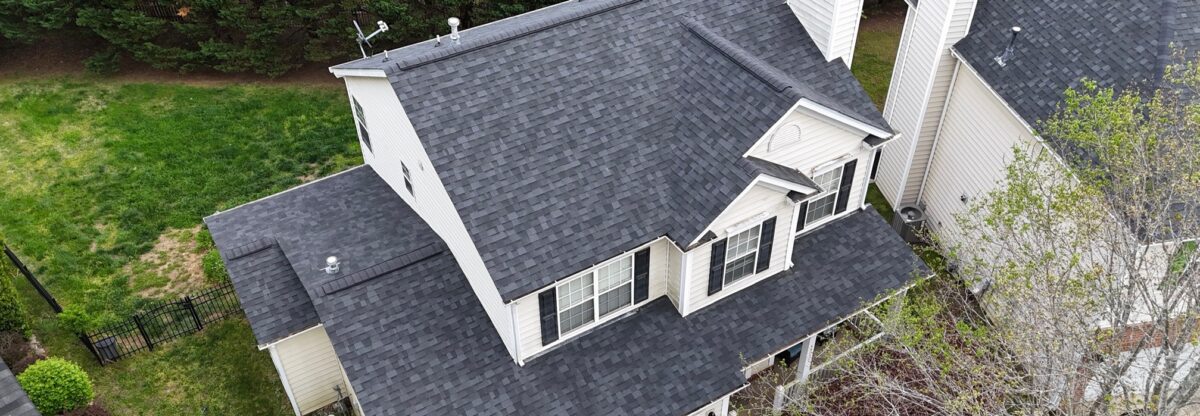
Asphalt roof shingles are one of the most popular roofing materials due to their affordability, durability, and ease of installation. However, like any other roofing material, asphalt shingles require regular maintenance to ensure they continue to perform well and last as long as possible. Proper roof maintenance can help prevent costly repairs, extend the lifespan of the roof, and enhance the protection of your home against the elements.

In this article, we will discuss practical tips and techniques for maintaining asphalt roof shingles to maximize their durability. By following these simple yet effective practices, homeowners can keep their roofs in top condition for many years.

Regular Roof Inspections

Why Inspections Are Crucial

Regular inspections are one of the most important aspects of maintaining your asphalt roof shingles. Over time, wear and tear from weather, age, and environmental factors can lead to small issues that, if left unaddressed, may develop into larger, more costly problems.

Asphalt shingle roofing can show signs of damage, such as curling, cracking, or granule loss, that may not be immediately visible from the ground. Regular roof inspections help identify these problems early, allowing for prompt repairs and preventing more extensive damage.

What to Look For During an Inspection

When inspecting your asphalt shingles on a roof, keep an eye out for:
Cracked or Missing Shingles: Damaged shingles are a clear indication of wear. If shingles are missing, it can lead to water leaks and further damage.

  • Granule Loss: Asphalt shingles are coated with granules that protect them from UV rays. Over time, these granules can wear off, leaving the shingles vulnerable.
  • Curling or Buckling Shingles: If your shingles start to curl at the edges or buckle, it can be a sign that they are nearing the end of their lifespan.
  • Moss or Algae Growth: Organic growth on the roof can hold moisture against the shingles, leading to deterioration.
  • Leaks: Check for signs of water damage inside your home, such as stains or mold, as this may indicate roof leaks.

A professional roof inspection for asphalt shingles should be done at least once a year to keep your roof in good condition.

Cleaning Your Asphalt Shingle Roof

Importance of Roof Cleaning

Cleaning your asphalt roof shingles is an essential part of maintenance that helps to preserve their appearance and functionality. Over time, dirt, moss, algae, and debris can accumulate on the roof, potentially causing damage or reducing the lifespan of the shingles. A clean roof allows your shingles to perform as intended, ensuring that water drains properly and that the shingles can resist UV rays effectively.

Safe Cleaning Techniques

When cleaning your asphalt shingle roof, it’s important to do so safely to avoid causing damage. Follow these tips:

  • Use a Soft-Bristle Brush: Avoid using hard brushes or pressure washers, which can dislodge granules or damage the shingles. A soft-bristle brush is gentle yet effective at removing debris.
  • Moss and Algae Removal: If you notice moss or algae growing on your roof, use a solution of equal parts water and bleach to treat the affected areas. Spray the solution and let it sit for 15-20 minutes before gently scrubbing with the brush.
  • Gentle Rinsing: After cleaning, use a garden hose to rinse off the roof, ensuring that all cleaning solutions and debris are washed away.

By cleaning your roof regularly, you can prevent the growth of damaging organisms and remove debris that may block proper drainage.

Clearing Gutters and Downspouts Regularly

The Role of Gutters in Roof Protection

Gutters play an essential role in protecting your asphalt shingle roofing by directing rainwater away from the roof and foundation. When gutters are clogged, water can back up onto the roof, leading to leaks, water damage, and even rot. It’s crucial to keep your gutters and downspouts clear to ensure that water flows freely and does not cause damage to your roof.

Proper Gutter Maintenance

To maintain your gutters, follow these steps:

  • Clean Gutters Regularly: Remove leaves, twigs, and other debris from the gutters every few months, particularly during fall when leaves are falling.
  • Check for Blockages: Inspect downspouts to ensure that water flows freely. If you find any blockages, clear them out to prevent water from backing up.
  • Install Gutter Guards: Gutter guards can help prevent debris from entering the gutters in the first place, reducing the amount of maintenance required.

By maintaining your gutters, you ensure that your asphalt shingles on your roof are protected from water damage.

Trimming Overhanging Trees and Limbs

How Tree Limbs Affect Your Asphalt Shingle Roof

Overhanging trees and branches can pose several risks to your asphalt shingles. Branches can scrape or puncture the roof, causing damage to the shingles. Additionally, fallen branches or debris can clog gutters or cause other blockages that lead to water damage. Tree limbs can also encourage the growth of moss or algae by trapping moisture on the roof.

Best Practices for Tree Maintenance

To prevent damage from overhanging trees:

  • Trim Limbs Regularly: Trim any tree limbs that are close to or overhanging your roof. This will prevent branches from scraping the shingles and keep debris from accumulating on the roof.
  • Remove Dead Branches: Dead branches are more likely to fall during storms or high winds. Make sure to remove any dead or weak branches that could pose a risk to your roof.

Taking care of tree maintenance around your home can prevent damage to your asphalt shingle roofing and help maintain your roof’s integrity.

Handling Roof Repairs Promptly

The Importance of Timely Repairs

One of the most critical aspects of roof maintenance services is addressing any damage or wear promptly. Whether it’s a small leak or missing shingles, addressing these issues immediately can prevent further damage from occurring. A small issue can quickly escalate into a much larger and more expensive problem if left untreated.

DIY vs. Professional Repairs

While homeowners can handle some minor repairs, many roof repairs require the expertise of roofing and siding contractors. If you're unsure about how to repair a roof leak or replace damaged shingles, it’s best to call a professional. They have the tools and experience to repair your asphalt roof shingles quickly and safely.

Protecting Your Asphalt Shingles From Extreme Weather

Weather-Related Roof Damage

Extreme weather events, such as high winds, heavy rain, and hail, can cause significant damage to your asphalt shingle roofing. Hail can dent or crack the shingles, while strong winds can lift or tear them off entirely. Proper maintenance helps minimize the risk of damage, but in severe weather, it’s essential to be proactive in protecting your roof.

How to Protect Asphalt Shingles

  • Install Storm Guards: Consider installing storm guards or impact-resistant shingles to provide added protection during severe weather events.
  • Check Flashing: Ensure that the flashing around vents, chimneys, and skylights is properly sealed to prevent leaks during heavy rain.
  • Trim Trees: As mentioned earlier, trimming trees to prevent branches from damaging your roof is especially important before storm season.

Ensuring Proper Roof Ventilation

The Importance of Roof Ventilation

Proper roof ventilation is essential for maintaining the health and efficiency of your asphalt roof shingles. Without proper airflow, your attic can become excessively hot and humid, leading to premature shingle deterioration, moisture buildup, and even mold growth. Proper ventilation helps regulate the temperature and moisture levels in your attic, protecting the roof and improving energy efficiency.

How to Maintain Roof Ventilation

To ensure your roof remains well-ventilated, consider the following:

  • Check for Blocked Vents: Make sure your roof vents are clear of debris and functioning properly.
  • Install Additional Ventilation if Needed: If your roof lacks sufficient ventilation, consider installing additional vents to improve airflow.

Proper ventilation is key to extending the lifespan of your asphalt shingle roofing.

Replacing Damaged Shingles Immediately

The Risks of Ignoring Damaged Shingles

If you notice missing or damaged shingles, it’s essential to replace them immediately. Damaged shingles expose the underlying layers of the roof to moisture, which can lead to leaks, mold, and structural damage.

Ignoring damaged shingles can result in more significant problems down the line, requiring more expensive repairs or even a full roof replacement.

When to Replace Asphalt Shingles

If a single shingle is damaged, it can usually be replaced relatively easily. However, if the damage is widespread or if your roof is nearing the end of its lifespan, you may need to consider a more comprehensive repair or replacement. Contact a roofing and siding contractor to evaluate the condition of your roof and determine if replacement is necessary.

Conclusion

Regular roof maintenance services are essential for maximizing the durability and lifespan of your asphalt roof shingles. By following proper maintenance techniques, such as regular inspections, cleaning, gutter maintenance, tree trimming, and timely repairs, homeowners can avoid costly repairs and extend the life of their roof.

Proper roof ventilation and protecting your roof from extreme weather are also critical steps in ensuring long-term durability. Remember that timely repairs and maintenance will save you money in the long run by preventing more extensive damage.

 
Categories
Roofing

How to Maintain Your Asphalt Roof Shingles for Maximum Durability

Asphalt roof shingles are one of the most popular roofing materials due to their affordability, durability, and ease of installation. However, like any other roofing material, asphalt shingles require regular maintenance to ensure they continue to perform well and last as long as possible. Proper roof maintenance can help prevent costly repairs, extend the lifespan of the roof, and enhance the protection of your home against the elements.

In this article, we will discuss practical tips and techniques for maintaining asphalt roof shingles to maximize their durability. By following these simple yet effective practices, homeowners can keep their roofs in top condition for many years.

Regular Roof Inspections

Why Inspections Are Crucial

Regular inspections are one of the most important aspects of maintaining your asphalt roof shingles. Over time, wear and tear from weather, age, and environmental factors can lead to small issues that, if left unaddressed, may develop into larger, more costly problems.

Asphalt shingle roofing can show signs of damage, such as curling, cracking, or granule loss, that may not be immediately visible from the ground. Regular roof inspections help identify these problems early, allowing for prompt repairs and preventing more extensive damage.

What to Look For During an Inspection

When inspecting your asphalt shingles on a roof, keep an eye out for:
Cracked or Missing Shingles: Damaged shingles are a clear indication of wear. If shingles are missing, it can lead to water leaks and further damage.

  • Granule Loss: Asphalt shingles are coated with granules that protect them from UV rays. Over time, these granules can wear off, leaving the shingles vulnerable.
  • Curling or Buckling Shingles: If your shingles start to curl at the edges or buckle, it can be a sign that they are nearing the end of their lifespan.
  • Moss or Algae Growth: Organic growth on the roof can hold moisture against the shingles, leading to deterioration.
  • Leaks: Check for signs of water damage inside your home, such as stains or mold, as this may indicate roof leaks.

A professional roof inspection for asphalt shingles should be done at least once a year to keep your roof in good condition.

Cleaning Your Asphalt Shingle Roof

Importance of Roof Cleaning

Cleaning your asphalt roof shingles is an essential part of maintenance that helps to preserve their appearance and functionality. Over time, dirt, moss, algae, and debris can accumulate on the roof, potentially causing damage or reducing the lifespan of the shingles. A clean roof allows your shingles to perform as intended, ensuring that water drains properly and that the shingles can resist UV rays effectively.

Safe Cleaning Techniques

When cleaning your asphalt shingle roof, it’s important to do so safely to avoid causing damage. Follow these tips:

  • Use a Soft-Bristle Brush: Avoid using hard brushes or pressure washers, which can dislodge granules or damage the shingles. A soft-bristle brush is gentle yet effective at removing debris.
  • Moss and Algae Removal: If you notice moss or algae growing on your roof, use a solution of equal parts water and bleach to treat the affected areas. Spray the solution and let it sit for 15-20 minutes before gently scrubbing with the brush.
  • Gentle Rinsing: After cleaning, use a garden hose to rinse off the roof, ensuring that all cleaning solutions and debris are washed away.

By cleaning your roof regularly, you can prevent the growth of damaging organisms and remove debris that may block proper drainage.

Clearing Gutters and Downspouts Regularly

The Role of Gutters in Roof Protection

Gutters play an essential role in protecting your asphalt shingle roofing by directing rainwater away from the roof and foundation. When gutters are clogged, water can back up onto the roof, leading to leaks, water damage, and even rot. It’s crucial to keep your gutters and downspouts clear to ensure that water flows freely and does not cause damage to your roof.

Proper Gutter Maintenance

To maintain your gutters, follow these steps:

  • Clean Gutters Regularly: Remove leaves, twigs, and other debris from the gutters every few months, particularly during fall when leaves are falling.
  • Check for Blockages: Inspect downspouts to ensure that water flows freely. If you find any blockages, clear them out to prevent water from backing up.
  • Install Gutter Guards: Gutter guards can help prevent debris from entering the gutters in the first place, reducing the amount of maintenance required.

By maintaining your gutters, you ensure that your asphalt shingles on your roof are protected from water damage.

Trimming Overhanging Trees and Limbs

How Tree Limbs Affect Your Asphalt Shingle Roof

Overhanging trees and branches can pose several risks to your asphalt shingles. Branches can scrape or puncture the roof, causing damage to the shingles. Additionally, fallen branches or debris can clog gutters or cause other blockages that lead to water damage. Tree limbs can also encourage the growth of moss or algae by trapping moisture on the roof.

Best Practices for Tree Maintenance

To prevent damage from overhanging trees:

  • Trim Limbs Regularly: Trim any tree limbs that are close to or overhanging your roof. This will prevent branches from scraping the shingles and keep debris from accumulating on the roof.
  • Remove Dead Branches: Dead branches are more likely to fall during storms or high winds. Make sure to remove any dead or weak branches that could pose a risk to your roof.

Taking care of tree maintenance around your home can prevent damage to your asphalt shingle roofing and help maintain your roof’s integrity.

Handling Roof Repairs Promptly

The Importance of Timely Repairs

One of the most critical aspects of roof maintenance services is addressing any damage or wear promptly. Whether it’s a small leak or missing shingles, addressing these issues immediately can prevent further damage from occurring. A small issue can quickly escalate into a much larger and more expensive problem if left untreated.

DIY vs. Professional Repairs

While homeowners can handle some minor repairs, many roof repairs require the expertise of roofing and siding contractors. If you’re unsure about how to repair a roof leak or replace damaged shingles, it’s best to call a professional. They have the tools and experience to repair your asphalt roof shingles quickly and safely.

Protecting Your Asphalt Shingles From Extreme Weather

Weather-Related Roof Damage

Extreme weather events, such as high winds, heavy rain, and hail, can cause significant damage to your asphalt shingle roofing. Hail can dent or crack the shingles, while strong winds can lift or tear them off entirely. Proper maintenance helps minimize the risk of damage, but in severe weather, it’s essential to be proactive in protecting your roof.

How to Protect Asphalt Shingles

  • Install Storm Guards: Consider installing storm guards or impact-resistant shingles to provide added protection during severe weather events.
  • Check Flashing: Ensure that the flashing around vents, chimneys, and skylights is properly sealed to prevent leaks during heavy rain.
  • Trim Trees: As mentioned earlier, trimming trees to prevent branches from damaging your roof is especially important before storm season.

Ensuring Proper Roof Ventilation

The Importance of Roof Ventilation

Proper roof ventilation is essential for maintaining the health and efficiency of your asphalt roof shingles. Without proper airflow, your attic can become excessively hot and humid, leading to premature shingle deterioration, moisture buildup, and even mold growth. Proper ventilation helps regulate the temperature and moisture levels in your attic, protecting the roof and improving energy efficiency.

How to Maintain Roof Ventilation

To ensure your roof remains well-ventilated, consider the following:

  • Check for Blocked Vents: Make sure your roof vents are clear of debris and functioning properly.
  • Install Additional Ventilation if Needed: If your roof lacks sufficient ventilation, consider installing additional vents to improve airflow.

Proper ventilation is key to extending the lifespan of your asphalt shingle roofing.

Replacing Damaged Shingles Immediately

The Risks of Ignoring Damaged Shingles

If you notice missing or damaged shingles, it’s essential to replace them immediately. Damaged shingles expose the underlying layers of the roof to moisture, which can lead to leaks, mold, and structural damage.

Ignoring damaged shingles can result in more significant problems down the line, requiring more expensive repairs or even a full roof replacement.

When to Replace Asphalt Shingles

If a single shingle is damaged, it can usually be replaced relatively easily. However, if the damage is widespread or if your roof is nearing the end of its lifespan, you may need to consider a more comprehensive repair or replacement. Contact a roofing and siding contractor to evaluate the condition of your roof and determine if replacement is necessary.

Conclusion

Regular roof maintenance services are essential for maximizing the durability and lifespan of your asphalt roof shingles. By following proper maintenance techniques, such as regular inspections, cleaning, gutter maintenance, tree trimming, and timely repairs, homeowners can avoid costly repairs and extend the life of their roof.

Proper roof ventilation and protecting your roof from extreme weather are also critical steps in ensuring long-term durability. Remember that timely repairs and maintenance will save you money in the long run by preventing more extensive damage.

 
Categories
Roofing

Roofing and Siding: What Homeowners Need to Know About Installation

Roofing and siding are essential components of your home, offering protection, insulation, and aesthetic appeal. They work together to safeguard your property from the elements while also enhancing its curb appeal. The installation is a significant investment, requiring careful planning, proper material selection, and expert installation to ensure long-term durability and protection for your home.

In this article, we will guide homeowners through the critical aspects of installation. We will explore everything from choosing the right materials to understanding the installation process and avoiding common mistakes. Additionally, we will cover how to maintain and protect your roofing and siding to maximize their lifespan and efficiency.

Understanding Roofing and Siding Basics

Key Considerations Before Installation

Before embarking on your project, it’s essential to consider several factors that can affect the final outcome, such as budgeting, material selection, and the overall installation process.

Budgeting for Roofing and Siding

The cost of installing roofing and siding can vary greatly depending on the materials you choose, the size of your home, and the complexity of the installation. Companies typically offer quotes based on these factors.

To ensure you stay within your budget, it’s important to get estimates from multiple contractors and evaluate the overall value of each proposal. While cheaper materials may save money upfront, they may not offer the same level of durability and protection as higher-end options.

Selecting the Right Materials

Choosing the right materials is crucial to the success of your installation. There are many options to choose from, each with its benefits and considerations. For example, for roofing, asphalt shingles, metal, and tile are popular choices, while vinyl, wood, fiber cement, and metal are common for siding.

Each material has different durability, aesthetics, maintenance needs, and costs, which should align with your budget and the climate in your region. Roofing and siding contractors can help you select materials that fit your needs, whether you’re looking for energy efficiency, aesthetic appeal, or long-term durability.

The Installation Process for Roofing and Siding

Step-by-Step Guide to Roofing Installation

The process of installing a new roof typically involves several stages, each requiring specific expertise to ensure proper installation. Here’s a simplified breakdown of the typical steps involved in roofing installation:

  1. Preparation: The old roof is removed, and the surface is cleaned to ensure a smooth base for the new roofing system.
  2. Inspection: A professional contractor will inspect the roof deck for any signs of damage or rot. Any issues are repaired before proceeding.
  3. Underlayment: A protective underlayment is installed to serve as an additional layer of protection against moisture and leaks.
  4. Roofing Materials: The chosen roofing material, whether asphalt shingles, metal panels, or another option, is installed. Proper alignment and secure fastening are essential for durability.
  5. Flashing and Sealing: Flashing is added around areas like chimneys, vents, and valleys to prevent water infiltration. The roof is then sealed for further protection.

This process may vary depending on the roofing material and the complexity of the structure, but professional installation ensures that your roof provides optimal protection.

Step-by-Step Guide to Siding Installation

Just like roofing, the installation of siding requires careful attention to detail. Here’s a typical step-by-step process for siding installation:

  1. Preparation: Existing siding (if applicable) is removed, and the surface is cleaned. The walls are inspected for any structural damage, which must be repaired before installing new siding.
  2. Insulation: Many homeowners opt to add an extra layer of insulation before the siding is installed to improve energy efficiency.
  3. Siding Material: The chosen siding material, such as vinyl, wood, or fiber cement, is carefully installed. Contractors ensure that each piece is properly aligned and securely fastened.
  4. Sealing and Flashing: Proper flashing is installed around windows and doors to prevent water damage. The seams are sealed to ensure no gaps for water infiltration.

Both installation processes require precision, expertise, and attention to detail. Roofing and siding companies that have experience with both installations can ensure your home is fully protected.

Common Mistakes to Avoid During Installation

Mistakes in Material Selection

One of the most common mistakes homeowners make is choosing the wrong materials for their roofing or siding. Whether it’s selecting a material that isn’t suited to the local climate or failing to consider long-term durability, poor material selection can lead to costly repairs and premature replacement. Make sure to consult with contractors who can help you choose the right materials based on factors like weather conditions, energy efficiency, and budget.

Improper Installation Practices

Improper installation is another common mistake that can undermine the effectiveness of your new roof and siding. For instance, poor installation of shingles or improper sealing of joints can lead to leaks and water damage. When installing siding, inadequate fastening or improper venting can lead to issues such as warping, mold growth, or energy inefficiency.

Working with experienced roofing and siding contractors ensures that your installation is done right the first time. These professionals will follow best practices to ensure that your roof and siding remain durable and effective for years.

Overlooking Local Building Codes

Homeowners sometimes overlook local building codes when selecting roofing and siding materials. Certain materials or installation practices may not meet the requirements for your area, particularly in regions prone to extreme weather. Failing to adhere to these codes can lead to fines or the need for costly rework.

Professional companies are familiar with local building codes and will ensure that your installation is compliant with all regulations. This prevents potential problems down the road.

Maintenance Tips for Roofing and Siding

Roofing Maintenance

Regular roof maintenance services are key to extending the life of your roof and ensuring it remains functional. Here are some basic maintenance tips:

  • Inspect the roof annually for any signs of damage, such as loose shingles or cracked tiles.
  • Clean gutters regularly to prevent water backup and avoid damage to the roof.
  • Remove debris from the roof and surrounding areas to avoid clogged drains and water buildup.
  • Check flashing and seals around chimneys, vents, and skylights for any damage or wear.

Siding Maintenance

Siding also requires ongoing care to protect against weathering and damage. Here are a few maintenance tips:

  • Wash the siding regularly to remove dirt, mold, or algae buildup.
  • Inspect for cracks or gaps in the siding that could allow moisture to seep in.
  • Seal any gaps or joints to prevent water damage and improve energy efficiency.
  • Trim overhanging branches to prevent them from damaging the siding.

Both require regular upkeep to ensure long-lasting protection and aesthetics. If you’re unsure about the maintenance requirements, consider hiring roofing and siding contractors to perform annual inspections and maintenance.

The Role of Energy Efficiency in Roofing and Siding

Impact of Roofing on Energy Efficiency

A well-installed and properly maintained roof can improve your home’s energy efficiency. Metal roofs, for example, reflect heat, reducing the amount of heat absorbed by your home. This can help keep your home cooler in the summer, lowering cooling costs. Insulated roofing materials can also improve heat retention in the winter, helping to lower heating costs.

When choosing roofing materials, consider energy-efficient options that offer both protection and savings. Roofing and siding companies can help you select materials that improve your home’s energy efficiency.

How Siding Affects Insulation

The type of siding you choose can also have an impact on your home’s insulation. Insulated vinyl or fiber cement siding can enhance your home’s overall insulation, reducing energy loss. This not only improves comfort but also reduces heating and cooling costs.

Proper installation of siding ensures that your home remains energy-efficient and comfortable year-round.

Roof Repair and Maintenance Services: Finding the Right Provider

How to Choose a Reliable Roof Maintenance Service

When it comes to maintaining your roof and siding, it’s important to work with experienced professionals. Here are some tips for choosing a reliable contractor:

  • Check reviews and referrals: Look for companies with a good reputation for quality work.
  • Ensure proper licensing and insurance: Confirm that the contractor is licensed and insured to work in your area.
  • Ask for a detailed estimate: A reliable contractor should provide a detailed estimate and timeline for the work.
  • Review past projects: Ask for a portfolio or case studies to evaluate the quality of their previous work.

Conclusion: Key Takeaways for Homeowners

Proper roof maintenance services are essential for ensuring the longevity and durability of your roof and siding. Regular maintenance, proper material selection, and expert installation are key to protecting your home from weather damage and improving energy efficiency. Homeowners should prioritize professional installation to avoid costly mistakes and ensure their home remains safe and well-maintained.

Investing in roofing and siding contractors with the expertise to handle both installations and maintenance will help extend the lifespan of your roof and siding, saving you money in the long run and maintaining your home’s value. If you’re considering a roof or siding upgrade, make sure to work with experienced professionals to get the best results.


Categories
Roofing

Roof Repair Specialist: Key Services They Offer to Protect Your Home

Your home’s roof serves as the first line of defense against weather, moisture, and environmental hazards. When problems arise, hiring a qualified roof repair specialist ensures that repairs are completed correctly and safely, protecting your investment for years to come. Unlike general contractors, a roof repair specialist possesses specialized knowledge and experience specifically focused on roofing systems and their unique challenges.

A professional roof repair specialist offers comprehensive services tailored to your home’s specific needs, from routine maintenance to emergency repairs. These experts understand the complexities of different roofing materials, weather patterns, and building codes, allowing them to provide solutions that address both immediate problems and long-term protection requirements.

Comprehensive Roof Inspections and Assessments

Why Regular Roof Inspections Are Crucial

Professional roof inspections conducted by a qualified roof repair specialist provide the foundation for effective maintenance and early problem detection. These thorough evaluations assess every component of your roofing system, including:

  • Shingles and roofing materials condition
  • Flashing around penetrations and joints
  • Gutters and downspout systems
  • Ventilation intake and exhaust components
  • Structural elements and decking
  • Insulation and moisture barriers
  • Chimneys, vents, and skylights

Regular inspections help identify potential issues before they develop into costly repairs or replacements.

A roofing specialist brings trained eyes and specialized tools to detect problems that homeowners typically miss during casual visual inspections. These professionals understand how different roofing materials age and deteriorate, allowing them to spot early warning signs of potential failures.

Identifying Hidden Roof Problems

Many roofing problems develop in areas that aren’t visible from ground level or to untrained observers. A roof repair specialist uses specialized equipment and techniques to identify hidden issues such as moisture infiltration, insulation problems, or structural damage that could compromise your home’s integrity.

Professional inspections also reveal how environmental factors like UV exposure, thermal cycling, and weather patterns affect your specific roofing system. This knowledge helps specialists recommend preventive measures and maintenance schedules tailored to your roof’s unique conditions and requirements.

Roof Leak Detection and Repair

How Roof Leaks Can Affect Your Home

Water infiltration through roof leaks can cause extensive damage to your home’s structure, insulation, electrical systems, and interior finishes. What begins as a small leak can quickly escalate into major problems, including mold growth, wood rot, and compromised structural integrity. Early detection and professional repair by a roof repair specialist prevent these costly secondary damages.

Roof leaks often originate in areas that aren’t immediately obvious, such as around penetrations, flashing joints, or damaged underlayment. Water can travel significant distances along structural members before appearing as visible stains or drips inside your home, making the source difficult to locate without professional expertise.

How Roof Repair Specialists Locate and Fix Leaks

Roof repair specialists use advanced techniques and tools to pinpoint leak sources accurately. Professional leak detection methods include:

  • Moisture meters to detect hidden water infiltration
  • Thermal imaging cameras to identify temperature variations
  • Water testing to trace leak paths and entry points
  • Visual inspection of potential problem areas
  • Electronic leak detection for membrane roofing systems
  • Smoke testing for ventilation and flashing issues

Once identified, specialists can implement targeted repairs that address the root cause rather than just treating symptoms.

Professional leak repair involves more than simply patching visible damage. A qualified specialist evaluates the surrounding area to ensure that related problems are addressed and that repairs will provide long-lasting protection against future water infiltration.

Shingle and Roofing Material Replacement

The Importance of Quality Roofing Materials

When shingles or other roofing materials need replacement, a roof repair specialist ensures that new materials match your existing roof in both performance and appearance. Quality materials installed correctly by experienced professionals provide better weather protection and longer service life than budget alternatives or DIY installations.

Different roofing materials have specific installation requirements, compatibility considerations, and performance characteristics. A roofing specialist understands these nuances and can recommend materials that provide the best value and performance for your specific climate and home design.

Specialized Replacement Services

Roof repair specialists offer precise replacement services that maintain the integrity and appearance of your existing roof. Whether replacing individual damaged shingles or entire sections, these professionals ensure proper installation techniques, adequate ventilation, and seamless integration with existing materials.

Professional replacement work includes proper disposal of old materials, preparation of the roof deck, and installation of appropriate underlayment and flashing. This comprehensive approach ensures that new materials perform as intended and provide reliable protection for your home.

Flat Roof Repairs and Maintenance

Unique Challenges of Flat Roofs

Flat roofing systems present unique challenges that require specialized knowledge and techniques. Unlike pitched roofs that shed water quickly, flat roofs rely on membrane systems and proper drainage to prevent water accumulation. Common flat roof problems that specialists address include:

  • Membrane punctures from foot traffic or debris
  • Seam failures at material joints
  • Ponding water from inadequate drainage
  • Thermal expansion and contraction damage
  • UV degradation of roofing materials
  • Penetration seal failures around vents and equipment
  • Edge detail deterioration

Each of these problems requires specific repair methods and materials that may not be familiar to contractors who primarily work with pitched roofing systems.

Flat Roof Specialists’ Role in Maintenance

Flat roof specialists understand the specific requirements of different membrane systems, including EPDM, TPO, modified bitumen, and built-up roofing. These professionals can identify early signs of membrane degradation and implement preventive measures that extend roof life and prevent costly replacements.

Professional flat roof maintenance includes regular inspections, drainage system cleaning, seam and penetration sealing, and membrane repairs. Flat roof specialists also understand the importance of proper drainage and can identify and correct issues that lead to water accumulation and premature system failure.

Gutter and Flashing Repair

How Gutters and Flashing Protect Your Roof

Gutters and flashing work together to direct water away from your roof and home’s foundation, preventing water damage and structural problems. When these components fail or become damaged, even a perfectly sound roof can experience serious water infiltration problems that compromise your home’s protection.

Flashing around chimneys, vents, skylights, and roof intersections represents some of the most vulnerable areas of any roofing system. A roof repair specialist understands proper flashing installation and repair techniques that provide reliable, long-lasting water protection.

Why a Specialist Is Needed for Gutter and Flashing Repair

Professional gutter and flashing repair requires specialized knowledge of water flow patterns, material compatibility, and installation techniques. A roof repair specialist can identify drainage problems, recommend appropriate solutions, and implement repairs that integrate seamlessly with your existing roofing system.

Improper gutter or flashing repairs can actually worsen water infiltration problems or create new ones. Professional specialists understand how these components work together and can ensure that repairs enhance rather than compromise your roof’s protective capabilities.

Storm Damage Repair and Restoration

Assessing Roof Damage After a Storm

Storm damage can affect roofing systems in ways that aren’t immediately apparent to homeowners. A roof repair specialist conducts thorough post-storm inspections that identify various types of damage, including:

  • Missing or damaged shingles from high winds
  • Hail impact damage to roofing materials
  • Loosened fasteners compromising system integrity
  • Flashing displacement or damage around penetrations
  • Gutter and downspout damage affecting drainage
  • Debris impacts damage to the roof surfaces
  • Granule lossexposes underlying materials
  • Cracked or split roofing components

This comprehensive assessment ensures that insurance claims include all necessary repairs and that your roof’s protective capability is fully restored.

Professional Restoration Services

Storm damage restoration requires specialized knowledge of insurance procedures, emergency repairs, and comprehensive restoration techniques. Roof repair specialists can provide immediate protection through temporary repairs while coordinating with insurance adjusters and planning complete restoration work.

Professional restoration goes beyond simply replacing damaged materials. Specialists evaluate the entire roofing system to identify weaknesses that storm damage may have revealed and recommend improvements that enhance your roof’s resistance to future weather events.

Roof Insulation and Ventilation Services

How Poor Ventilation Affects Roof Performance

Proper ventilation plays a crucial role in roof performance, energy efficiency, and longevity. Poor ventilation can lead to ice dam formation, excessive heat buildup, moisture problems, and premature material failure. A roof repair specialist understands how ventilation systems work and can identify and correct problems that compromise roof performance.

Inadequate ventilation also affects your home’s energy efficiency, leading to higher heating and cooling costs. Professional ventilation assessment and improvement can reduce energy expenses while extending your roof’s service life.

Improving Roof Performance with Insulation and Ventilation

Roof repair specialists offer comprehensive insulation and ventilation services that improve both roof performance and home comfort.

These services include:

  • Assessment of current ventilation adequacy
  • Installation of additional intake and exhaust vents
  • Evaluation and upgrade of attic insulation
  • Correction of ventilation blockages or restrictions
  • Integration of ventilation improvements with roofing repairs
  • Energy efficiency recommendations and implementations

Professional ventilation improvements require careful calculation of air flow requirements and proper placement of intake and exhaust components. A qualified specialist ensures that ventilation modifications work effectively with your existing roofing system and home design.

Conclusion

Working with a qualified roof repair specialist provides comprehensive protection for one of your home’s most important systems. These professionals offer specialized knowledge, proper tools, and extensive experience that ensures repairs are completed correctly and provide long-lasting protection for your investment.

From routine inspections and maintenance to emergency repairs and complete restoration, roof repair specialists provide the expertise needed to keep your home safe, dry, and energy-efficient. Whether you need immediate repairs or want to establish a preventive maintenance program, consulting with a professional roof repair specialist is the best way to protect your home and avoid costly problems in the future.


Categories
Roofing

5 Common Mistakes to Avoid When Scheduling Residential Roof Repair

Your roof protects your home from weather, moisture, and structural damage, making timely and professional repairs necessary for maintaining a safe, functional living space. When problems arise, many homeowners rush into scheduling repairs without proper planning, leading to costly mistakes that could have been easily avoided.

Common errors during the residential roof repair scheduling process can result in unnecessary expenses, project delays, and substandard workmanship that compromises your home’s protection. Understanding these pitfalls and knowing how to avoid them will help you make informed decisions that save money while ensuring quality results for your roofing project.

Mistake #1: Failing to Conduct a Proper Roof Inspection First

Importance of a Detailed Roof Inspection

Many homeowners schedule residential roof repair based on obvious problems like visible leaks or missing shingles without conducting a comprehensive inspection first. This approach often leads to incomplete repairs that address symptoms rather than underlying causes. A thorough inspection reveals the full scope of damage and helps contractors provide accurate estimates for all necessary work.

Professional inspections can identify problems that aren’t immediately visible from ground level, such as damaged flashing, deteriorated underlayment, or structural issues. Without this complete picture, you might end up paying for multiple repair visits instead of addressing all problems during a single project.

Risk of Overlooking Minor Issues

Small problems like loose shingles, minor granule loss, or hairline cracks can quickly develop into major issues if left unaddressed. During residential roofing repair projects, contractors can efficiently fix these minor problems alongside major repairs, saving you time and money compared to scheduling separate service calls later.

Comprehensive inspections also help identify areas that might need attention in the near future, allowing you to plan and budget for upcoming maintenance needs. This proactive approach prevents emergency repairs that typically cost more than planned maintenance work.

Mistake #2: Not Getting Multiple Estimates from Different Contractors

Why Multiple Estimates Are Crucial

Accepting the first quote you receive is one of the most expensive mistakes homeowners make when scheduling residential roof repair. Prices can vary significantly between contractors, sometimes by thousands of dollars for identical work. Some contractors may overcharge for their services, while others might provide competitive rates without sacrificing quality.

Comparing multiple estimates gives you valuable insight into fair market pricing for your specific repair needs. This information helps you negotiate better terms and identify contractors who might be overpricing their services or cutting corners with inferior materials.

Red Flags of a Single Quote

Relying on a single estimate prevents you from recognizing potential red flags that become apparent when comparing multiple quotes. Unusually high or low prices, vague project descriptions, or lack of detailed material specifications are warning signs that you might miss without comparison quotes.

Multiple estimates also allow you to evaluate different approaches to solving your roofing problems. Experienced contractors may suggest alternative solutions or identify additional work that other contractors missed, helping you make more informed decisions about your repair project.

Mistake #3: Scheduling Repairs During the Wrong Time of Year

How Weather Affects Roof Repair Timing

Weather conditions significantly impact both the quality and cost of residential roof repair work. Scheduling repairs during peak storm seasons or extreme weather periods can lead to delays, rushed work, or compromised quality as contractors struggle with challenging conditions.

Rain, snow, high winds, and extreme temperatures can prevent contractors from working safely or effectively. These conditions also increase the risk of additional damage occurring during the repair process, potentially expanding the scope and cost of your project.

Seasonal Price Fluctuations

Roofing contractors experience seasonal demand fluctuations that directly affect pricing and availability. Peak seasons typically include:

  • The spring months, when homeowners discover winter damage
  • Early summer, before the severe weather season
  • Fall is the time when homeowners prepare for winter weather
  • Post-storm periods when emergency repairs surge

Scheduling non-urgent residential roof repair services during slower periods, typically late fall and winter months, can result in better pricing and more attention from contractors who have lighter workloads. However, emergency repairs that affect your home’s weather protection should never be delayed, regardless of seasonal considerations.

Mistake #4: Not Verifying the Contractor’s Credentials and Experience

Checking Licensing and Insurance

Hiring unlicensed or uninsured contractors is a costly mistake that can leave you liable for accidents, poor workmanship, and code violations. Always verify that contractors hold proper licensing for residential roof repair work in your area and carry adequate liability insurance and workers’ compensation coverage.

Request copies of license and insurance certificates, and contact the issuing agencies to confirm they’re current and valid. Legitimate contractors will readily provide this documentation, while those who hesitate or make excuses should be avoided, regardless of their pricing.

Assessing Experience and Specialization

Not all roofing contractors have equal experience with different types of residential roof repair projects. Some specialize in new construction while others focus on repairs and maintenance. Contractors experienced with residential flat roof repair may not have the same expertise with pitched roofing systems, and vice versa.

Ask potential contractors about their specific experience with your type of roofing system and the problems you’re facing. Request references from recent similar projects and contact these customers to inquire about their satisfaction with the work quality and contractor professionalism.

Mistake #5: Ignoring the Importance of a Written Contract and Warranty

The Need for a Clear, Written Agreement

Proceeding with residential roof repair work without a detailed written contract is a mistake that can lead to disputes, unexpected costs, and legal complications. Verbal agreements are difficult to enforce and often result in misunderstandings about project scope, materials, timeline, and payment terms.

A comprehensive contract should specify all work to be performed, materials to be used, project timeline, total cost, payment schedule, and cleanup responsibilities. It should also address how changes to the original scope will be handled and what happens if weather delays the project.

Understanding Warranty Terms

Many homeowners focus solely on price when selecting contractors, overlooking warranty coverage that provides long-term value and protection. Quality residential roof repair services should include warranties on both materials and workmanship, but these terms can vary significantly between contractors.

Review warranty details carefully, including coverage duration, what’s included or excluded, and the process for making warranty claims. Some contractors offer extended warranties that provide better long-term value even if their initial pricing is slightly higher than that of competitors.

Additional Considerations for Successful Roof Repair

When planning your residential roof repair project, consider these factors that contribute to successful outcomes:

  • Schedule repairs promptly after discovering problems to prevent additional damage
  • Obtain necessary permits before work begins to ensure code compliance
  • Plan for potential weather delays and material delivery issues
  • Prepare your property by moving vehicles and outdoor furniture away from work areas
  • Communicate clearly with contractors about access requirements and any special concerns
  • Document the condition of your roof before and after repairs for insurance purposes
  • Keep detailed records of all communications, contracts, and payments

Conclusion

Avoiding these five common mistakes when scheduling residential roof repair can save you significant money while ensuring quality results that protect your home for years to come. Take time to conduct proper inspections, obtain multiple estimates, schedule work during optimal conditions, verify contractor credentials, and establish clear written agreements before beginning any project.

Remember that the cheapest option isn’t always the best value, and rushing into repairs without proper planning often leads to more expensive problems later. Consider reaching out to a trusted roofing contractor for a professional consultation and comprehensive roof inspection to start your repair process correctly.

 
Categories
Roofing

Hail Damage Roof Repair: How to Minimize the Cost of Restoration

Hailstorms can cause significant damage to your roof, leading to expensive repairs that many homeowners aren’t prepared for. The cost of restoring a hail-damaged roof can range from hundreds to thousands of dollars, depending on the severity of the damage and the materials needed for repairs. However, with proper planning and informed decisions, you can minimize these costs without compromising the quality of your roof restoration.

Understanding how to handle hail damage roof repair efficiently can save you money and protect your home from further damage. Quick action, wise choices, and working effectively with insurance companies and contractors can significantly reduce your out-of-pocket expenses while ensuring your roof is properly restored to its pre-storm condition.

Assessing the Extent of Hail Damage Early

Importance of Early Detection

Early detection of hail damage is one of the most effective ways to minimize repair costs. When left untreated, minor hail impacts can develop into larger problems such as leaks, water damage, and structural issues. What might start as minor granule loss or small dents can quickly escalate into expensive repairs if moisture penetrates the roofing system.

Acting quickly after a hailstorm allows you to document damage while it’s fresh and prevents secondary damage from occurring. Insurance companies also prefer claims filed promptly after storm events, which can help ensure better coverage for your hail damage roof repair needs.

Inspecting the Roof Safely

While professional inspection is recommended, you can perform a preliminary assessment from the ground level. Look for noticeable signs of damage such as missing shingles, dented gutters, or debris scattered around your property. Use binoculars to examine your roof more closely without climbing up.

Check for these common hail damage indicators:

  • Granule loss on asphalt shingles
  • Exposed mat or substrate on damaged shingles
  • Cracked or split shingles
  • Dented metal components like flashing or vents
  • Impact marks on gutters and downspouts
  • Dents in siding or other exterior surfaces
  • Debris is scattered around your property

Getting Multiple Estimates from Repair Companies

Why You Should Compare Multiple Quotes

Obtaining multiple estimates is one of the most effective strategies for controlling roof hail damage repair costs. Prices can vary significantly between contractors, sometimes by thousands of dollars for the exact scope of work. Some companies may overcharge for their services, while others might offer competitive rates without sacrificing quality.

Comparing quotes also helps you understand the average market price for your specific repair needs. This knowledge puts you in a better position to negotiate with contractors and identify companies that might be overpricing their services or using substandard materials.

What to Expect in a Roof Repair Estimate

A comprehensive estimate should include detailed information about the damage assessment, materials needed, labor costs, and project timeline. Look for contractors who provide itemized breakdowns rather than vague lump-sum estimates. The estimate should specify the type and quality of materials to be used, as different material grades can significantly affect both cost and longevity.

Quality estimates should also include information about cleanup, disposal of old materials, and any necessary permits. Make sure the contractor addresses all identified damage areas and provides clear explanations of the repair methods they plan to use.

Understanding Hail Damage Roof Repair Costs

Factors That Affect Repair Costs

Several factors influence the final cost of hail damage roof repair:

  • Size and pitch of your roof
  • Type of roofing material (asphalt, metal, tile, etc.)
  • Extent and severity of damage
  • Local labor rates and material availability
  • Complexity of roof design and accessibility
  • Additional damage to gutters, siding, or other components
  • Permit requirements and building code compliance

The extent of damage plays a significant role in determining costs. Minor repairs involving a few shingles will cost significantly less than extensive damage requiring partial or complete roof replacement.

Cost-Saving Tips

Consider timing your repairs strategically if the damage isn’t causing immediate leaks. Contractors often offer better rates during slower periods, typically late fall and winter months. However, don’t delay repairs that could lead to water damage or structural problems.

Bundling repairs with other necessary maintenance can sometimes reduce overall costs. For example, combining hail damage repairs with gutter replacement or attic ventilation improvements might result in better pricing than scheduling these jobs separately.

Working with Your Insurance Company to Cover Repair Costs

Filing an Insurance Claim

Contact your insurance company as soon as possible after discovering hail damage. Most policies require prompt notification of damage, and delays can complicate the claims process. When filing your claim, provide detailed documentation of the damage, including photos, videos, and any professional inspection reports.

Be prepared to provide information about the storm date, damage extent, and any immediate repairs you’ve made to prevent further damage. Keep detailed records of all communication with your insurance company, including claim numbers, adjuster names, and conversation summaries.

Understanding Insurance Coverage

Review your insurance policy to understand what types of hail damage are covered and what your deductible amount is. Most homeowners’ policies cover sudden and accidental damage from hailstorms, but coverage can vary significantly between policies. Some policies may have separate deductibles for wind and hail damage.

Understanding your coverage limits helps you make informed decisions about repair options and potential out-of-pocket expenses. If your policy includes replacement cost coverage, you may be entitled to compensation based on current material and labor costs rather than depreciated values.

How to Maximize Your Insurance Payout

Document all damage thoroughly with photos and videos taken from multiple angles. Consider hiring a professional roofing contractor to provide a detailed damage assessment that you can submit with your claim. This professional documentation can help ensure that all damage is identified and included in your settlement.

Be present during the insurance adjuster’s inspection to point out damage that might be missed. Ask questions about the adjuster’s findings and request explanations for any damage that isn’t included in their assessment. If you disagree with the adjuster’s evaluation, you have the right to request a re-inspection or hire an independent adjuster.

DIY Repairs vs. Professional Help

When It’s Safe to DIY

Safe DIY hail damage repair tasks include:

  • Replacing individual damaged shingles
  • Cleaning gutters and removing debris
  • Applying a temporary sealant around small damaged areas
  • Covering exposed areas with tarps until professional repairs
  • Documenting damage with photos and videos
  • Minor gutter repairs and reattachment

Before attempting any DIY work, ensure you have proper safety equipment, including non-slip shoes, safety harnesses, and sturdy ladders. Only work in good weather conditions and never attempt roofing work alone. Take photos of the damage before beginning repairs for insurance documentation.

When to Hire a Professional

Complex hail damage roof repair should always be handled by professionals. This includes extensive shingle replacement, structural repairs, flashing work, and any repairs involving electrical components or complex roof configurations. Professional contractors have the experience, tools, and insurance coverage necessary to handle these challenging repairs safely.

If your insurance claim involves significant damage, using a professional contractor can help ensure that all damage is properly repaired and that work meets building codes and manufacturer specifications. Professional repairs also typically come with warranties that protect your investment.

Choosing the Right Hail Damage Roof Repair Company

What to Look for in a Roof Repair Company

When selecting a hail damage roof repair company, look for these essential qualities:

  • Proper licensing and insurance coverage
  • Specific experience with hail damage repairs
  • Positive Better Business Bureau rating
  • Recent customer references and reviews
  • Comprehensive service,s including insurance assistance
  • Detailed written estimates and warranties
  • Local physical business address and established reputation

A reputable company should be willing to answer all your questions about the repair process and provide transparent pricing information.

Avoiding Common Scams

Be cautious of contractors who:

  • Go door-to-door immediately after storms
  • Demand full payment upfront
  • Offer to waive your insurance deductible
  • Pressure you to sign contracts immediately
  • Lack of proper licensing or insurance

Provide estimates that are significantly higher or lower than others
Cannot provide local references or physical business addresses
Always verify a contractor’s credentials and get multiple estimates before making any decisions. Legitimate contractors will encourage you to take time to make informed decisions and will provide proper documentation for all work performed.

Conclusion

Minimizing hail damage roof repair costs requires a combination of quick action, informed decision-making, and strategic planning. Start by assessing damage early to prevent secondary problems, then obtain multiple estimates from reputable contractors to ensure competitive pricing. Understanding your insurance coverage and working effectively with your insurance company can significantly reduce your out-of-pocket expenses.

Choose between DIY repairs and professional help based on the complexity and safety requirements of the work needed. When hiring professionals, select a qualified hail damage roof repair company with proven experience and proper credentials.

 
Categories
Roofing

Affordable Roof Repairs: 5 Tips to Save on Your Next Roofing Project

Your roof protects your home from weather, moisture, and structural damage. When problems arise, many homeowners face the challenge of expensive repair costs that can strain their budgets. However, thoughtful planning and informed decisions can significantly reduce the expense of roofing projects while maintaining quality results.

Finding ways to complete affordable roof repairs doesn’t mean cutting corners on safety or durability. Instead, it means making strategic choices that maximize value and minimize unnecessary expenses. Whether you’re dealing with minor leaks or more extensive damage, these five practical tips will help you save money on your next roofing project without compromising the protection your home needs.

Get Multiple Quotes from Roofing Contractors

Why Comparing Quotes is Crucial

Getting multiple quotes from different contractors is one of the most effective ways to ensure you’re getting the best deal on affordable roof repairs. Prices can vary significantly between contractors, sometimes by thousands of dollars for the same job. Some contractors may overcharge for their services, while others might offer competitive rates without sacrificing quality.

When you collect several quotes, you gain valuable insight into the average market price for your specific repair needs. This information puts you in a stronger position to negotiate and helps you identify contractors who might be overpricing their services. Additionally, comparing quotes allows you to spot unusually low bids that indicate poor artistry or the use of substandard materials.

What to Look for in a Quote

A comprehensive quote should include detailed information about materials, labor costs, timeline, and warranty coverage. Look for contractors who provide itemized breakdowns rather than vague estimates. Pay attention to the quality of materials specified in each quote, as cheaper materials might cost more in the long run due to frequent repairs or replacements.

When evaluating quotes, make sure each includes:

  • Detailed material specifications and quantities
  • Labor costs broken down by task
  • Project timeline with start and completion dates
  • Warranty information for both materials and workmanship
  • Cleanup and disposal costs
  • Any necessary permits or inspection fees

Make sure each contractor is licensed, insured, and has positive customer reviews. Don’t automatically choose the lowest bid – instead, focus on finding the best value that combines reasonable pricing with quality workmanship. Ask about any hidden fees or additional costs that might arise during the project.

Perform Regular Roof Maintenance to Avoid Expensive Repairs

Importance of Routine Inspections

Regular roof inspections are the foundation of affordable roofing and repairs. By catching problems early, you can address minor issues before they become major, expensive repairs. Small leaks, loose shingles, or damaged flashing can quickly escalate into significant structural problems if left untreated.

Schedule professional inspections at least twice a year, preferably in spring and fall. However, you can also perform basic visual inspections yourself from the ground level. Look for missing or damaged shingles, sagging areas, or visible wear around chimneys, vents, and other roof penetrations.

Preventative Maintenance Tips

Simple maintenance tasks can extend your roof’s lifespan and reduce the need for costly repairs. Keep gutters clean and free of debris to prevent water backup that can damage roof edges and fascia boards. Trim overhanging tree branches that could fall on your roof during storms or scrape against shingles in windy conditions.

Regular maintenance tasks that prevent expensive repairs include:

  • Cleaning gutters and downspouts twice yearly
  • Removing leaves, branches, and debris from the roof surface
  • Checking and replacing damaged or missing shingles
  • Inspecting and maintaining roof flashing around chimneys and vents
  • Clearing moss and algae growth
  • Ensuring proper attic ventilation
  • Sealing minor cracks or gaps before they expand

Remove moss, algae, and debris from your roof surface regularly. These materials can trap moisture and accelerate deterioration. Check and maintain proper attic ventilation to prevent ice dams in winter and reduce heat buildup in summer, both of which can cause significant roofing problems.

Choose Affordable Roofing Materials for Repairs

Consider Long-Term Cost Efficiency

When selecting materials for affordable roofing repairs, think beyond the initial purchase price. Some materials may cost more upfront but offer better durability and longer lifespans, resulting in lower overall costs. For example, architectural shingles might cost more than basic three-tab shingles initially, but they typically last longer and require fewer repairs.

Research the expected lifespan of different materials and calculate the cost per year of service. This approach helps you make informed decisions about which materials provide the best value for your specific situation and budget constraints.

Evaluate Material Alternatives

Consider alternative materials that offer good performance at lower costs. Asphalt shingles remain one of the most affordable options for most climates, while metal roofing, though more expensive initially, can provide excellent long-term value. For flat roofs, modified bitumen or EPDM rubber might offer cost-effective solutions.

Don’t overlook the potential of refurbished or surplus materials for specific projects. Some suppliers offer high-quality materials at reduced prices due to overstock or discontinued lines. However, ensure these materials meet building codes and come with appropriate warranties.

Do Some of the Work Yourself

Basic Roofing Tasks You Can Handle

Taking on some roofing tasks yourself can significantly reduce labor costs for affordable roof repairs. Simple jobs like replacing a few shingles, cleaning gutters, or applying roof sealant around vents and chimneys are within the capabilities of most homeowners with basic tools and safety equipment.

DIY roofing tasks that can save money include:

  • Replacing individual damaged shingles
  • Cleaning and maintaining gutters
  • Applying caulk or sealant around roof penetrations
  • Installing new roof vents
  • Painting metal roofing components
  • Basic roof cleaning and debris removal

Before attempting any DIY work, research proper techniques and safety procedures. Invest in appropriate safety gear, including non-slip shoes, safety harnesses, and sturdy ladders. Work only in good weather conditions and never attempt roofing work alone.

Hire Help for Complex Jobs

While DIY work can save money, recognize when professional help is necessary. Complex repairs involving structural work, electrical components, or major leak repairs require professional expertise. Attempting these jobs without proper training can lead to more expensive problems and safety hazards.

Consider a hybrid approach where you handle preparation work like removing old materials or cleaning the work area, while leaving technical repairs to professionals. This strategy can reduce labour costs while ensuring quality results for critical maintenance.

Take Advantage of Roof Repair Financing Options or Discounts

Financing Your Roof Repairs

Many roofing contractors offer financing options that can make affordable roofing repairs more manageable for homeowners. These programs allow you to spread the cost of repairs over several months or years, making larger projects more accessible without requiring a large upfront payment.

Research different financing options, including contractor financing, home improvement loans, and credit cards with promotional interest rates. Compare interest rates, terms, and fees to find the option that best fits your budget and financial situation.

Look for Seasonal Discounts and Promotions

Timing your roofing project can result in significant savings. Many contractors offer discounts during their slower seasons, typically late fall and winter months. While emergency repairs can’t wait, non-urgent projects can be scheduled to take advantage of these seasonal price reductions.

Watch for manufacturer rebates, contractor promotions, and local home improvement incentives. Some utility companies offer rebates for energy-efficient roofing materials, while local governments might provide tax incentives for certain types of repairs or upgrades.

Ways to find discounts and savings on roof repairs:

  • Contact multiple contractors during off-season months
  • Check manufacturer websites for current rebate programs
  • Ask about senior citizen or military discounts
  • Look for bundled service deals that include maintenance
  • Research local utility company energy efficiency rebates
  • Monitor social media for flash sales and promotions

Conclusion

Implementing these five strategies can help you achieve affordable roof repairs without sacrificing quality or safety. Getting multiple quotes ensures competitive pricing, while regular maintenance prevents minor issues from becoming expensive problems. Choosing cost-effective materials and handling appropriate DIY tasks can further reduce expenses, and financing options make larger projects more manageable.

Remember that the cheapest option isn’t always the best value. Focus on finding the right balance between affordability and quality to ensure your roof repairs provide long-lasting protection for your home. By taking a strategic approach to your roofing project, you can maintain your home’s structural integrity while keeping costs within your budget.


Categories
Roofing

Roof Maintenance Services: Preventing Costly Repairs and Extending Roof Life

Your roof is one of the most critical components of your home, protecting you from the elements and ensuring your home’s structural integrity. Just like any other part of your house, your roof requires regular care and maintenance to function optimally.

Roof maintenance services play a critical role in preventing costly repairs and extending the life of your roof. By investing in regular roof maintenance, you can prevent costly roof repairs and keep your roof in optimal condition for years to come.

What Roof Maintenance Services Entail

Overview of Roof Maintenance

Roof maintenance services encompass a range of tasks designed to ensure that your roof remains in good condition throughout its lifespan. These services include regular inspections, cleaning, and minor repairs that can prevent major issues from developing.

Roof maintenance is not just about fixing leaks but also about proactively identifying and addressing problems before they become costly and time-consuming to repair.

Professional roof maintenance services typically include:

  • Routine inspections to check for damage, wear, and tear.
  • Gutter cleaning is necessary to ensure proper drainage and prevent water buildup.
  • Flashing checks to ensure seals around vents, chimneys, and skylights are intact.
  • Roof cleaning to remove debris, moss, and algae.
  • Minor repairs such as replacing damaged shingles or sealing small cracks.

By regularly scheduling roof maintenance, homeowners can address minor issues early on and avoid the need for more significant repairs later.

Professional Roof Maintenance Services

While basic roof maintenance tasks can sometimes be performed by homeowners, professional roof maintenance services offer a level of expertise that ensures all aspects of the roof are thoroughly inspected and maintained. Roofing professionals possess the expertise and tools necessary to identify hidden issues that may not be visible to the untrained eye.

Hiring a professional roofing company for regular inspections and maintenance provides the peace of mind that your roof is in the hands of experts who can ensure it remains durable and functional.

Common Roof Problems Addressed Through Regular Roof Maintenance

Preventing Roof Leaks

One of the most common issues that roof maintenance services help prevent is roof leaks. A small leak can lead to significant water damage, resulting in costly repairs and potential structural issues. Regular maintenance helps identify weak spots or damaged shingles that could allow water to penetrate, enabling prompt maintenance before they turn into major leaks.

Professional roof maintenance services typically include a comprehensive inspection for potential leak sources, ensuring that minor issues are addressed before they escalate.

Avoiding Structural Damage

Another issue that regular roof maintenance services address is structural damage. Over time, exposure to the elements can weaken the roof’s structure, especially if the roof is not maintained correctly. Problems such as sagging, rotting wood, or cracked shingles can lead to significant structural damage if left unchecked.

Roof maintenance involves inspecting the roof deck, rafters, and other structural components to ensure they remain in good condition. By detecting early signs of damage, you can avoid costly structural repairs that could result from neglecting the roof’s condition.

Preventing Moss, Algae, and Mold Growth

Moss, algae, and mold can thrive on a roof if it’s not maintained correctly, especially in damp or shaded areas. These growths can cause the roof material to deteriorate, resulting in more severe damage over time.

Roof maintenance service includes cleaning the roof to remove debris and prevent the growth of moss or algae. Regular maintenance helps prevent these issues from damaging your roof and ensures that your roof continues to perform its role in protecting your home.

Ensuring Proper Ventilation

Proper roof ventilation is essential for maintaining a healthy and energy-efficient home. Poor ventilation can lead to a buildup of moisture in the attic, which can cause mold growth and deteriorate the roof decking.

A roof maintenance service includes inspecting your roof’s ventilation system and ensuring that air can circulate properly through the attic. This helps prevent moisture-related problems and reduces the risk of damage.

Cost Savings through Roof Maintenance Services

Reducing the Need for Expensive Roof Repairs

The most significant advantage of roof maintenance services is the cost savings they provide. By regularly inspecting and maintaining your roof, you can identify and address minor issues before they escalate into significant problems.

Roof leaks, missing shingles, or other minor problems can be repaired quickly and inexpensively when detected early. However, if these problems are ignored, they can lead to more severe damage, which will require costly repairs or even roof replacement.

Investing in regular professional roof maintenance services helps prevent these expensive repairs, saving you money in the long term.

Maximizing Roof Lifespan

Proper roof maintenance is the key to maximizing the lifespan of your roof. Well-maintained roofs can last significantly longer than those that are neglected. While the roof repair and maintenance services can’t prevent wear and tear entirely, they can ensure that your roof reaches its maximum lifespan before needing replacement.

For example, metal roofs, when properly maintained, can last 40-70 years, and asphalt shingle roofs can last 20-30 years. Neglecting maintenance, on the other hand, could reduce the lifespan of your roof by several years, costing you more money in the long run.

Insurance Benefits

Insurance companies often reward homeowners who take proactive steps to maintain their roofs. Some insurance providers offer discounts or incentives to homeowners who schedule regular roof maintenance. By demonstrating that your roof is well-maintained, you may qualify for lower premiums or discounts on your homeowner’s insurance.

The Role of Professional Roof Maintenance Services in Preventing Costly Repairs

Thorough Inspections by Roofing Experts

One of the key benefits of roof maintenance services provided by professionals is the thoroughness of the inspections. Professional roofing contractors have the experience and training necessary to spot minor issues that might be overlooked by homeowners.

They can check for damage in hard-to-reach areas, such as the roof deck, flashing, and underlayment, ensuring that your roof remains in optimal condition.

Addressing Minor Issues Before They Become Major

Professional roof maintenance services are proactive in addressing issues before they become significant problems. By catching small leaks, missing shingles, or areas of wear early, roofing contractors can repair these issues before they cause extensive damage. This prevents costly repairs, reduces the need for emergency roof repairs, and helps protect your home from water damage and structural issues.

Ongoing Maintenance and Long-Term Roof Health

Roof maintenance is not a one-time task—it requires ongoing care. Scheduling regular maintenance visits ensures that your roof remains in good condition over the years. A roof maintenance service provider will work with you to develop a long-term plan for maintaining your roof and addressing any issues as they arise.

By keeping up with regular inspections and maintenance, you can extend the lifespan of your roof, prevent costly repairs, and maintain the safety and integrity of your home.

Roof Repair and Maintenance Services: Finding the Right Provider

How to Choose a Reliable Roof Maintenance Service

When selecting a roof maintenance service, it’s essential to choose a provider with a proven track record of quality work and reliability. Look for roofing contractors who are licensed, insured, and have positive reviews from past customers. A reputable roofing company will offer a detailed maintenance plan, conduct thorough inspections, and provide transparent, honest pricing.

What to Expect During a Roof Maintenance Service Visit

During a roof maintenance service visit, a professional roofing contractor will inspect your roof for signs of damage, clean gutters, check the flashing, and perform any necessary minor repairs. They may also recommend specific maintenance tasks based on the type of roof you have and its age.

A good contractor will provide you with a report detailing their findings, including any repairs that were made or that will be needed in the future.

Conclusion

Regular roof maintenance services are critical for protecting your home, extending the life of your roof, and preventing costly repairs. Whether you are dealing with a flat roof or a sloped roof, ongoing maintenance helps prevent issues like leaks, mold growth, and structural damage, saving you money in the long run.

By investing in professional roof maintenance services, you can avoid the need for emergency repairs, maximize the lifespan of your roof, and protect the integrity of your home. If you haven’t scheduled a roof maintenance service recently, it’s time to take action and ensure your roof remains in top condition for years to come. Don’t wait until small issues become major problems—schedule your roof maintenance service today.


Categories
Roofing

Roof Leak Repair: Why Timing is Critical for Preventing Further Damage

A roof leak is one of the most common but concerning problems that homeowners face. While it may start as a small issue, a leaking roof can lead to severe damage if left unaddressed.

Roof leak repair is crucial not only for preserving the structural integrity of your home but also for preventing further damage that could result in higher repair costs, mold growth, and other hazards. The timing of your roof leak repair can significantly affect the overall outcome of the repair process and your home’s safety.

How Roof Leaks Develop and the Risk of Delay

The Causes of Roof Leaks

Roof leaks can develop for several reasons, and understanding the common causes helps homeowners identify and address potential issues early. Some of the most common causes of roof leaks include:

  • Aging Roof Materials: Over time, roofing materials like shingles, tiles, or metal panels can deteriorate due to exposure to the elements, which can lead to cracks and gaps where water can enter.
  • Poor Installation: If the roof was poorly installed or the materials were not properly secured, water can infiltrate the roof, especially during storms.
  • Clogged Gutters: Blocked gutters can prevent water from draining properly, which can lead to water backing up and seeping under the roof’s edge.
  • Damaged Flashing: Flashing around roof features like chimneys, vents, and skylights can corrode or become displaced, creating vulnerable points for water to seep in.
  • Extreme Weather: Hail, strong winds, and heavy rain can cause sudden damage to roofs, leaving cracks or displaced shingles.

The Dangers of Ignoring Roof Leaks

Ignoring a roof leak can lead to a host of problems, making leaking roof repair much more difficult and expensive. Many homeowners may overlook a small leak, assuming it will be manageable. However, even a small leak can cause extensive damage if left unchecked. Water can quickly spread through the roof, infiltrating the attic, walls, and insulation, leading to larger problems.

The longer a leak is ignored, the more likely it is to cause significant damage, which can eventually compromise the structural integrity of your home. Roof leak repair is not just about fixing the immediate issue, but also preventing these long-term consequences.

The Impact of Delayed Roof Leak Repair on Your Home

Structural Damage

One of the most serious consequences of delayed roof leak repair is structural damage. When water is allowed to penetrate your home’s roofing system, it can cause damage to the wooden framework, ceiling beams, and insulation. Over time, the moisture can weaken the roof’s support structure, leading to sagging, rotting, or even collapse in extreme cases.

If the leak affects electrical wiring or other components, the risk of fire or electrical hazards increases. Neglecting roof leak repair can lead to costly structural repairs and make the home unsafe.

Mold and Mildew Growth

Another major issue caused by delayed roof leak repair is mold and mildew growth. Moisture that seeps into your home can lead to the growth of mold in hidden areas such as the attic, inside walls, or under flooring. Mold thrives in damp environments, and once it begins to spread, it can damage materials and negatively affect indoor air quality.

Mold can also pose health risks, especially for individuals with respiratory issues or allergies. Early roof leak repair can help prevent these health hazards and minimize the damage caused by mold growth.

Increased Roof Leak Repair Costs

The longer you wait to address a roof leak, the more expensive the repairs will likely be. A small leak that could be easily fixed may eventually lead to larger problems, such as damage to the roof deck, insulation, and interior walls. The cost increases when more extensive work is needed, and you may also need to replace parts of the roofing system that would have been fine with timely maintenance.

Ignoring minor issues or delaying repairs can lead to a much more expensive situation in the long run.

The Process of Roof Leak Repair: Why Prompt Action Matters

The Initial Assessment: Early Detection

The first step in any repair process is the assessment. Prompt action is crucial for identifying the leak’s source and determining the extent of the damage. A professional roofer will conduct a thorough inspection of your roof, attic, and surrounding areas to locate the leak and identify any hidden damage.

Early detection is key to minimizing repair costs and preventing further damage. A quick response can help pinpoint the issue before it spreads, saving both time and money in the long run.

The Repair Process: Timeliness in Action

Once the assessment is complete, the roofing contractor will proceed with repairing the leak. Depending on the extent of the damage, this might involve replacing damaged shingles, fixing flashing, or repairing the roof deck. Timely roof leak repair ensures that repairs are done efficiently and that the roof can continue to perform its primary function—protecting your home from the elements.

The repair process is usually faster and less expensive when addressed early, as it reduces the need for extensive repairs or replacement of roof components. Prolonged delays, however, can complicate the process and increase the cost.

Roof Leak Repair Cost: How Timing Affects Expenses

Cost Breakdown for Delayed vs. Timely Repairs

The cost to repair a roof leak is significantly lower if the problem is addressed quickly. A small repair, such as replacing a few shingles or sealing a minor crack, is usually inexpensive and can be completed in a short time. However, when the leak is left untreated, the damage may spread to the roof deck or walls, requiring more extensive work. As the problem worsens, the cost of repair increases.

Here’s a breakdown of costs for timely versus delayed repairs:

  • Timely Repairs: Small leaks or minor damage—cost-effective repairs, often requiring minimal labor and materials.
  • Delayed Repairs: Extensive damage affecting the roof structure, insulation, or walls—more expensive repairs, longer labor, and additional materials required.

Insurance Considerations

Insurance companies may cover roof repairs, but many policies require that you make repairs promptly to prevent further damage. If you delay repairs and allow the situation to worsen, your insurance company may refuse to cover the additional costs. In some cases, they may even deny your claim altogether if it’s determined that neglect contributed to the damage.

Prompt roof leak repair helps ensure that you can file an insurance claim and receive the compensation you’re entitled to. Be sure to consult with your insurance provider and your contractor to ensure the repairs meet the necessary requirements for reimbursement.

Conclusion: The Importance of Timely Roof Leak Repairs

Delaying roof leak repair can lead to significant damage, higher costs, and potential health risks from mold growth and water damage. Homeowners should act quickly when they notice a roof leak to minimize these risks and prevent further damage.

The best way to protect your home and save money in the long run is to address roof leaks as soon as they are detected. Schedule a roof leak repair inspection with a professional to ensure that your home stays dry, safe, and well-protected.

Whether it’s a minor fix or a major repair, timely action will help preserve your home’s structural integrity and avoid costly future repairs.


Categories
Roofing

Hail Damage Roof Inspection: Common Issues Found by Experts

Hailstorms can cause significant damage to your roof, leaving behind issues that may not be immediately obvious to homeowners. After a hailstorm, it’s essential to perform a hail damage roof inspection to evaluate the extent of the damage and prevent any long-term issues.

Hail can compromise the integrity of your roof, leading to leaks, weakened structural components, and costly repairs if left unaddressed.

Why Hail Damage Roof Inspections Are Critical

Preventing Further Damage

Hailstorms, as well, result in immediate damage, but hail damage to your roof may yet worsen over a period of time if not treated. A hail damage roof inspection will assist in determining both obvious and hidden issues that can result in leaks, mold, and roof structural damage.

With the knowledge of these issues ahead of time, you can prevent them from becoming more damaging and costly issues down the road.
Should the damage go untreated, water could seep into your home and result in ceiling, wall, and insulation damage. Hail damage roof inspections guarantee these issues are identified and that your home is not put through further damage.

Insurance and Claims

Many homeowners rely on their insurance to pay for the cost of repairs after there has been a hailstorm. However, to make a successful insurance claim, you need to have proof of the damage. A qualified hail damage roof inspection can provide a detailed report of the damage, and this is where a successful insurance claim succeeds or fails. Without getting this inspection completed, you might end up losing out on claiming the full amount that is yours.

Having a professional make an inspection for roof hail damage also ensures that nothing is missed. Most insurance companies will insist on an inspection by a licensed roofer to verify the extent of the damage before they will approve a claim.

Common Hail Damage Issues Found During a Roof Inspection

Dented or Cracked Shingles

One of the most common issues identified during a hail damage roof inspection is dented or cracked shingles. When hailstones hit the shingles, they can cause small dents or cracks that are not always visible to the naked eye. These cracks can expose the underlying layers of the roof to water, leading to leaks and other damage over time.

In a roof hail damage inspection, roofing experts will look for signs of damage that may compromise the roof’s ability to protect your home. They will also check for areas where the shingles have been displaced, which can lead to gaps where water can enter.

Granule Loss from Asphalt Shingles

Another common problem with asphalt shingles after a hailstorm is granule loss. Granules are the protective coating on asphalt shingles that help prevent UV damage and provide weather resistance.

Hailstones can cause these granules to dislodge, which can lead to the degradation of the shingles. Without the granules, the shingles become more vulnerable to further damage from the sun and weather, shortening the lifespan of the roof.

A roof inspection for hail damage will focus on checking for areas where granules have been knocked off, as this is a key indicator of damage. Homeowners may also notice granules in their gutters, which is a sign that their roof needs immediate attention.

Cracked or Broken Tiles (for Tile Roofs)

For homes with tile roofing, hail can cause cracked or broken tiles. These tiles are more fragile than other materials and are often the first to show visible signs of damage during a hailstorm. Cracked or broken tiles not only affect the appearance of the roof but can also create gaps that allow water to enter.

During a hail damage roof inspection, the contractor will inspect the tiles for any cracks or breaks that could lead to leaks. Tile roof damage often requires prompt repair to avoid water infiltration that can damage the underlying roofing system.

Roof Deck and Structural Damage

Impact on the Roof Decking

While hail typically affects the exterior covering of the roof, it can also injure the roof decking, the structural foundation of your roof. Big enough hailstones can dent or crack the decking, compromising the entire structure of the roof.

Hail damage roof inspection will also check the roof decking for any marks of impact. If the decking is impaired, this can lead to other serious issues such as leaks, water damage, and mold, which might impact your entire house structure.

Structural Compromise and Water Damage

In more severe cases, hail damage will compromise the structural integrity of your roof. If the hail is bad enough to break the decking or other structural elements, water will flow into the house and produce leaks. This below-ground damage tends not to be easily seen, which makes professional inspection so important.

When conducting a roof hail damage inspection, professionals will search for any evidence of structural failure, including sagging regions, ceiling water stains, or compromised materials. These are the telltale signs that the roof may not be doing its job of holding back the elements and protecting your home.

Hidden Damage: How to Spot the Signs

Surface Damage vs. Hidden Damage

Hail damage is not always apparent on the outside of your roof. Even though you can observe shattered shingles or missing granules, other damage might be more difficult to find. This includes damage to the roof deck on the inside or where the roof structure has been compromised, but the damage cannot be visually observed from the outside.

A roof hail damage professional inspection will determine surface and hidden damage. Roof inspectors are trained to find issues not easily visible, such as inside leaks or structural damage, so all potential issues are detected.

How to Inspect a Roof for Hail Damage

Though it should be left to the experts, there are some steps homeowners can take to inspect for potential damage following a storm. First, look at the roof visually for cracked, dented, or broken shingles, missing granules, and broken tiles. You can also check your gutters for granules that have been dislodged from the storm.

But beware while examining your roof. If your roof is steep or inaccessible, it’s better to leave the job for the professionals to prevent accidents. A professional roofer will inspect your roof fully and give a better estimate of damage.

The Role of Professional Roof Inspectors in Hail Damage Detection

Expert Techniques for Roof Hail Damage Inspection

Professional roof inspectors use specialized techniques to detect hail damage that may not be visible to the untrained eye. They have the tools and experience to thoroughly assess the roof, checking both the surface and the underlying structure for damage.

A professional inspector will examine the roof’s decking, insulation, and structural components, ensuring that any hidden damage is addressed. They can also provide detailed reports and photographs to support insurance claims, making the process smoother for homeowners.

Why a Professional Roof Hail Damage Inspection is Necessary

A roof hail damage inspection performed by a professional ensures that all aspects of the roof are thoroughly checked and that no damage goes unnoticed. Experts can identify issues early on and recommend the best course of action to repair the damage and prevent future problems.

Conclusion

After a hailstorm, it’s crucial to schedule a roof hail damage inspection as soon as possible. The most common issues found during these inspections include cracked shingles, granule loss, roof deck damage, and hidden leaks that may not be immediately visible. By catching these problems early, homeowners can prevent costly repairs and protect the integrity of their home.

While homeowners can do some basic roof inspections, it’s always best to consult with a professional roofing contractor to get an accurate assessment of the damage. Professional roofers have the skills and tools to perform a thorough hail damage roof inspection, ensuring your roof stays in good condition for years to come.


Categories
Roofing

Metal Roof vs Asphalt Shingles: Understanding the Long-Term Benefits

When it comes to replacing or installing a new roof, homeowners often face a choice between two of the most popular roofing materials: metal roofing vs asphalt shingles. Both have distinct advantages, and the best option for your home depends on various factors such as cost, durability, energy efficiency, and environmental impact.

Both materials come with their own set of advantages and potential drawbacks, and understanding these will help you determine the right fit for your home.

In this article, we will compare key factors such as:

  • Cost
  • Durability
  • Lifespan
  • Energy efficiency
  • Environmental impact

By examining these key aspects, homeowners can get a clearer picture of how metal roofing vs asphalt shingles impacts their long-term investment.

Durability: Metal Roof vs Asphalt Shingles

Longevity of Metal Roofing

One of the most striking benefits of metal roofing over asphalt shingles is the durability of metal roofing. If a metal roof is installed correctly, it can easily last 40 to 70 years, depending on the type of material and upkeep. This is much longer than asphalt shingles, which last around 15 to 30 years.

Metal roofing is also immune to extreme weather conditions like high winds, hail, and snow, and therefore well-suited for the construction of houses in areas where extreme weather patterns are very frequent. Metal roofing is also less prone to cracking, warping, or fading, which are common characteristics of asphalt shingles after a few years.

Lifespan of Asphalt Shingles

Asphalt shingles, while affordable, have a much shorter lifespan compared to metal roofing. Over time, exposure to the elements can cause asphalt shingles to deteriorate, leading to granule loss, curling, cracking, and eventually leaks. The lifespan of asphalt shingles is generally around 20 years, with some high-end shingles reaching 30 years with proper maintenance.

The durability of asphalt shingles can be affected by weather conditions such as high winds or hail, which can cause damage more quickly. As a result, homeowners may find themselves needing to replace the shingles more frequently, leading to higher long-term costs.

Comparison of Durability

When comparing the metal roof vs asphalt shingles durability, metal roofing stands out for its longer lifespan, superior resistance to weather damage, and low maintenance needs. If you’re looking for a roof that will last for decades with minimal repairs, metal roofing is a better option.

Cost Comparison: Metal Roof vs Asphalt Shingles

Initial Installation Costs

Another high contrast of metal roofing vs asphalt shingles is the cost of installation. Asphalt shingles are less expensive to install upfront, thus becoming a perfect choice for cost-conscious homeowners. Asphalt shingle installation is less costly as the process involved is simpler and components are easily available at low costs.

On the other hand, metal roofing, compared to asphalt shingles installation, is more expensive based on materials as well as on the specialized methods of installation. It requires more skilled labor to install a metal roof, and therefore, the cost of installation can increase. However, most homeowners consider this a worthwhile investment since the long-term benefits of a metal roof are worth it.

Long-Term Value and Savings

Even though asphalt shingles are less expensive upfront, metal roofing vs asphalt shingles is more economical over time. Metal roofs last a much longer time, which means less frequency and expenditure on roof replacements. Metal roofing also needs less maintenance, which translates to lower repair bills over time.

Asphalt shingles, while cheaper to put on, may require repair or replacement more frequently, especially in severe weather. This would be more costly in the long run, so metal roofing is a better long-term investment.

Cost of Metal Roof vs Asphalt Shingles: A Deeper Look

When considering the cost of a metal roof vs asphalt shingles, it’s essential to look beyond the initial installation. Over the lifespan of the roof, a metal roof can save homeowners significant money on maintenance, repairs, and energy bills.

While the upfront cost of metal roofing may be higher, the long-term value and savings in maintenance and energy efficiency often make it a more cost-effective option for homeowners in the long run.

Energy Efficiency and Insulation

How Metal Roofing Enhances Energy Efficiency

One of the key benefits of metal roofing vs asphalt shingles is the superior energy efficiency of metal roofs. Metal roofing reflects sunlight, reducing heat absorption in the summer. This helps keep the interior of the home cooler, leading to lower air conditioning costs during hot months.

Additionally, many metal roofing systems are designed with insulated backing, further improving the roof’s ability to keep your home at a comfortable temperature year-round. This reflective property of metal roofing can lead to significant savings on energy bills.

Energy Efficiency of Asphalt Shingles

Asphalt shingles, while effective in providing basic protection, do not offer the same level of energy efficiency as metal roofing. Asphalt shingles tend to absorb heat from the sun, which can raise the temperature of your attic and home. This may result in higher cooling costs during the summer months, as your air conditioning system will need to work harder to maintain a comfortable indoor temperature.

Some newer asphalt shingles are designed with reflective coatings that help improve energy efficiency, but they still don’t perform as well as metal roofing in terms of heat reflection and insulation.

Comparison of Energy Efficiency

When comparing metal roofing vs asphalt shingles in terms of energy efficiency, metal roofs clearly have the advantage. Their reflective properties help keep homes cooler in the summer, reducing the need for air conditioning and lowering energy costs over time.

Environmental Impact: Metal Roofing vs Asphalt Shingles

Recyclability of Metal Roofing

A significant environmental advantage of metal roofing is its recyclability. Metal roofs are made from materials that can be fully recycled at the end of their life, reducing waste and contributing to sustainability. Many metal roofing systems are made from recycled materials, further enhancing their eco-friendly profile.

Additionally, the durability of metal roofing means fewer replacements, reducing the amount of waste generated by roofing materials over time. Homeowners who choose metal roofs are making a more sustainable choice that benefits the environment.

Asphalt Shingles and Waste

In contrast, asphalt shingles contribute significantly to landfill waste. Asphalt shingles are not recyclable in the same way that metal roofs are, and when they are replaced, they often end up in landfills. According to some estimates, asphalt shingles make up a large percentage of roofing waste, contributing to the environmental impact of roofing materials.

Environmental Considerations

When considering the metal roofing vs asphalt shingles environmental impact, metal roofing offers a clear advantage. It is a more sustainable option due to its recyclability, longer lifespan, and lower waste production over time.

Maintenance: The Long-Term Care of Metal Roofing vs Asphalt Shingles

Maintenance Requirements for Metal Roofs

One of the key benefits of metal roofing is its low maintenance requirements. Metal roofs are resistant to issues like moss, algae, and mold growth, which are common problems for asphalt shingles. Metal roofing doesn’t require frequent inspections or repairs, and it typically doesn’t need to be replaced for decades.

Routine maintenance usually involves cleaning gutters and checking for any debris buildup. As long as the roof is installed correctly, it can perform well with minimal upkeep.

Maintenance for Asphalt Shingles

In contrast, asphalt shingles require more frequent maintenance. Over time, shingles can crack, curl, or lose granules, which can lead to leaks and other issues. Asphalt shingles also require regular inspections to ensure there are no missing or damaged shingles that could cause water to infiltrate your home.

Comparing Maintenance Over Time

When comparing metal roofing vs asphalt shingles in terms of maintenance, metal roofs are the clear winner. They require less upkeep and are less prone to damage over time, saving homeowners both time and money on repairs and maintenance.

Conclusion

Choosing between metal roofing vs asphalt shingles ultimately depends on your specific needs and budget. However, when considering the long-term benefits, metal roofing offers significant advantages in terms of durability, energy efficiency, environmental impact, and low maintenance. While metal roofing comes with a higher initial cost, it provides long-term value through fewer repairs, lower energy costs, and a longer lifespan.

For homeowners who want a roofing solution that offers both protection and sustainability, metal roofing vs asphalt shingles is an investment that can pay off in the long run. If you are considering a roof replacement, it’s a good idea to consult with a professional roofing contractor to determine which option best suits your needs.