Free estimates | 704-396-8383

Why Charlotte Ace Roofing is the Top 5-Star Rated Roofer in Charlotte, NC

When you search for a "5-star rated roofer near me," you aren't just looking for someone to nail shingles onto a board. You are looking for peace of mind. In Charlotte, where sudden hailstorms and humid summers can push a roof to its limit, your choice of contractor can be the difference between a dry home and a thousand-dollar headache.

At Charlotte Ace Roofing, we don't just claim to be the best—our neighbors have proven it. With over 350+ 5-star Google reviews, we have become the gold standard for roofing excellence in the Queen City. Here is what makes a true 5-star roofing experience in 2026.

1. Reputation Built on Real Results

A 5-star rating isn't a one-time achievement; it’s a commitment to consistency. Whether we are working in Ballantyne, South End, or Myers Park, our goal remains the same: elite craftsmanship and zero stress for the homeowner. We encourage you to read our reviews and see why your neighbors trust us with their biggest investment.

2. Elite Materials: The Owens Corning Difference

A 5-star roofer only uses 5-star materials. We are proud specialists in Owens Corning Duration® shingles. These aren't your average asphalt shingles; they feature SureNail® Technology, providing a triple layer of reinforcement in the nailing zone. This allows your roof to withstand winds of up to 130 MPH—essential for North Carolina’s unpredictable storm seasons.

3. Total Transparency from Start to Finish

Most negative roofing reviews stem from poor communication or "hidden" fees. We’ve earned our 5-star status by providing:

  • Detailed Digital Inspections: We show you exactly what we see.

  • Line-Item Estimates: No "estimates on a napkin." You know where every dollar goes.

  • Daily Project Updates: You’ll never have to wonder when our crew is arriving or leaving.

4. A Clean Site Guarantee

A roofing project is a construction site, but it shouldn't look like one. Our 5-star service includes a meticulous cleanup process. We use high-powered magnetic sweeps to ensure your driveway and yard are free of nails, protecting your tires and your pets.


Experience the Best in Charlotte

Don't settle for "good enough" when it comes to your home. Join the hundreds of Charlotte families who have experienced the 5-star difference with Charlotte Ace Roofing.

Our Contact Details:


Schedule Your Free 5-Star Roof Inspection

Ready to see why we are the top-rated roofing company in the area? We invite you to experience our award-winning service firsthand.

Click here to schedule your FREE roof inspection or call us today at 704-396-8383. Let us show you why we are Charlotte’s #1 choice for quality, reliability, and 5-star service!

Categories
Roofing

5-Star Rated Roofer in Charlotte, NC | Charlotte Ace Roofing

Why Charlotte Ace Roofing is the Top 5-Star Rated Roofer in Charlotte, NC

When you search for a “5-star rated roofer near me,” you aren’t just looking for someone to nail shingles onto a board. You are looking for peace of mind. In Charlotte, where sudden hailstorms and humid summers can push a roof to its limit, your choice of contractor can be the difference between a dry home and a thousand-dollar headache.

At Charlotte Ace Roofing, we don’t just claim to be the best—our neighbors have proven it. With over 350+ 5-star Google reviews, we have become the gold standard for roofing excellence in the Queen City. Here is what makes a true 5-star roofing experience in 2026.

1. Reputation Built on Real Results

A 5-star rating isn’t a one-time achievement; it’s a commitment to consistency. Whether we are working in Ballantyne, South End, or Myers Park, our goal remains the same: elite craftsmanship and zero stress for the homeowner. We encourage you to read our reviews and see why your neighbors trust us with their biggest investment.

2. Elite Materials: The Owens Corning Difference

A 5-star roofer only uses 5-star materials. We are proud specialists in Owens Corning Duration® shingles. These aren’t your average asphalt shingles; they feature SureNail® Technology, providing a triple layer of reinforcement in the nailing zone. This allows your roof to withstand winds of up to 130 MPH—essential for North Carolina’s unpredictable storm seasons.

3. Total Transparency from Start to Finish

Most negative roofing reviews stem from poor communication or “hidden” fees. We’ve earned our 5-star status by providing:

  • Detailed Digital Inspections: We show you exactly what we see.

  • Line-Item Estimates: No “estimates on a napkin.” You know where every dollar goes.

  • Daily Project Updates: You’ll never have to wonder when our crew is arriving or leaving.

4. A Clean Site Guarantee

A roofing project is a construction site, but it shouldn’t look like one. Our 5-star service includes a meticulous cleanup process. We use high-powered magnetic sweeps to ensure your driveway and yard are free of nails, protecting your tires and your pets.


Experience the Best in Charlotte

Don’t settle for “good enough” when it comes to your home. Join the hundreds of Charlotte families who have experienced the 5-star difference with Charlotte Ace Roofing.

Our Contact Details:


Schedule Your Free 5-Star Roof Inspection

Ready to see why we are the top-rated roofing company in the area? We invite you to experience our award-winning service firsthand.

Click here to schedule your FREE roof inspection or call us today at 704-396-8383. Let us show you why we are Charlotte’s #1 choice for quality, reliability, and 5-star service!

Categories
Roofing

Why Is My Roof Leaking? Repair vs. Replace | Charlotte Ace Roofing


Why Is My Roof Leaking? A Charlotte Homeowner’s Guide to Repairs and Replacement

A leaking roof is more than just a nuisance; it’s a ticking clock for your home’s structural integrity. In the Charlotte area, our roofs endure everything from blistering summer heat to heavy seasonal storms, all of which can wear down even the toughest shingles.

If you’ve spotted a drip or a mystery stain on your ceiling, it’s time to act. Here is a breakdown of why roofs leak and how to determine if a simple repair will suffice or if it’s time for a full replacement.


Common Culprits: Why Roofs Leak

Understanding the “why” can help you prevent future issues. Most leaks in North Carolina are caused by:

  • Age and Wear: Asphalt shingles have a lifespan. Over time, the sun bakes out the essential oils, making them brittle and prone to cracking.

  • Damaged Flashing: Flashing are the metal pieces installed around chimneys, dormers, and vent pipes. If the seal breaks or the metal rusts, water slides right into your attic.

  • Clogged Gutters: When gutters are backed up with leaves, water pools at the roof’s edge. This can lead to “ice damming” or simple rot along the fascia boards.

  • Storm Damage: High winds can lift shingles, while hail can bruise the asphalt, knocking off protective granules and exposing the underlying mat.


Repair vs. Replace: How to Know the Difference

Not every leak means you need a brand-new roof. Here is how we help homeowners decide:

When to Choose a Repair

  • The damage is localized: If a single limb fell and damaged a small area, or if a piece of flashing just needs resealing, a repair is often the most cost-effective path.

  • The roof is young: If your roof is less than 10–12 years old and generally in good shape, fixing the specific leak point is usually the way to go.

When it’s Time to Replace

  • Widespread Granule Loss: Check your gutters. If they are filled with “sand” (granules), your shingles are no longer protecting your home from UV rays and rain.

  • Recurring Leaks: If you’ve patched the roof three times in two years, the system is failing. Constant repairs are just throwing good money after bad.

  • Curling or “Bald” Shingles: If the shingles are curling upward or looking bald, they have reached the end of their functional life.

  • Sagging: This is a major red flag indicating structural damage or rot in the decking.


Why Trust Charlotte Ace Roofing?

We don’t just “slap on shingles.” We install complete roofing systems, often featuring Owens Corning Duration shingles, known for their patented SureNail® Technology. This ensures your roof can stand up to the wind and rain common in the Queen City.

Company Contact Info:


Don’t Guess—Get a Professional Opinion

Small leaks turn into mold, rotted wood, and expensive interior repairs very quickly. Let the experts at Charlotte Ace Roofing give you an honest assessment of your roof’s health.

Ready for peace of mind? Click here to schedule your FREE roof inspection or call us directly at 704-396-8383. We’ll help you decide whether a repair or a replacement is the right move for your home and your budget.

Categories
Roofing

When Is It Time to Change Your Roof? | Charlotte Ace Roofing

How to Know When It’s Time for a New Roof: A Guide for Charlotte Homeowners

Maintaining a home in North Carolina means dealing with everything from humid summers and heavy thunderstorms to the occasional winter ice storm. Your roof is your first line of defense, but it doesn’t last forever. Identifying the warning signs early can save you thousands in structural water damage.

Here is how to tell if it is time to retire your old roof and upgrade to a modern, durable system.


1. The Age of Your Roof

Most asphalt shingle roofs have a lifespan of 20 to 25 years. If your roof was installed over an existing layer of shingles (a “roof-over”), it may need replacement even sooner—closer to 15 or 20 years. If you aren’t sure when the roof was last replaced, a quick look at your home inspection report or a call to a local pro can give you clarity.

2. Curled, Cracked, or Missing Shingles

Take a look at your roof from the ground (or safely from a ladder). Do you see shingles that are:

  • Curling at the edges: This is a sign of weathering and loss of flexibility.

  • Cracked: This often happens due to wind damage or thermal expansion.

  • Missing: Gaps in your “armor” leave the underlayment exposed to rain and sun, leading to fast-tracked leaks.

3. Granules in the Gutters

Have you noticed what looks like coarse black sand in your gutters or at the end of your downspouts? Those are shingle granules. Their job is to protect the asphalt from UV rays. Once the granules shed, the shingles become brittle and lose their waterproof capabilities.

4. Sagging Rooflines

A sagging roof is a serious red flag. It often indicates trapped moisture has rotted the decking or structural supports underneath. If you notice a “dip” or a curve in your roofline, you should act immediately to avoid a potential collapse or massive internal damage.

5. Water Stains on Ceilings or Walls

If you see brown “pancakes” or streaks on your ceiling or inside your attic, your roof has likely been failing for some time. Water travels the path of least resistance, so where the stain appears might not be exactly where the leak is—which is why a professional inspection is vital.


Why Choose Charlotte Ace Roofing?

We specialize in high-quality installations using premium materials like Owens Corning Duration shingles. These shingles are designed to withstand the specific weather patterns we see in the Charlotte area, offering superior wind resistance and a beautiful aesthetic for your home.

Contact Information:


Schedule Your Free Roof Inspection

Don’t wait for a ceiling leak to tell you your roof is failing. Protect your investment and your family with a professional assessment.

Ready to get started? Click here to schedule your free roof inspection or call us today at 704-396-8383. Let Charlotte Ace Roofing give you the peace of mind you deserve!

Categories
Roofing

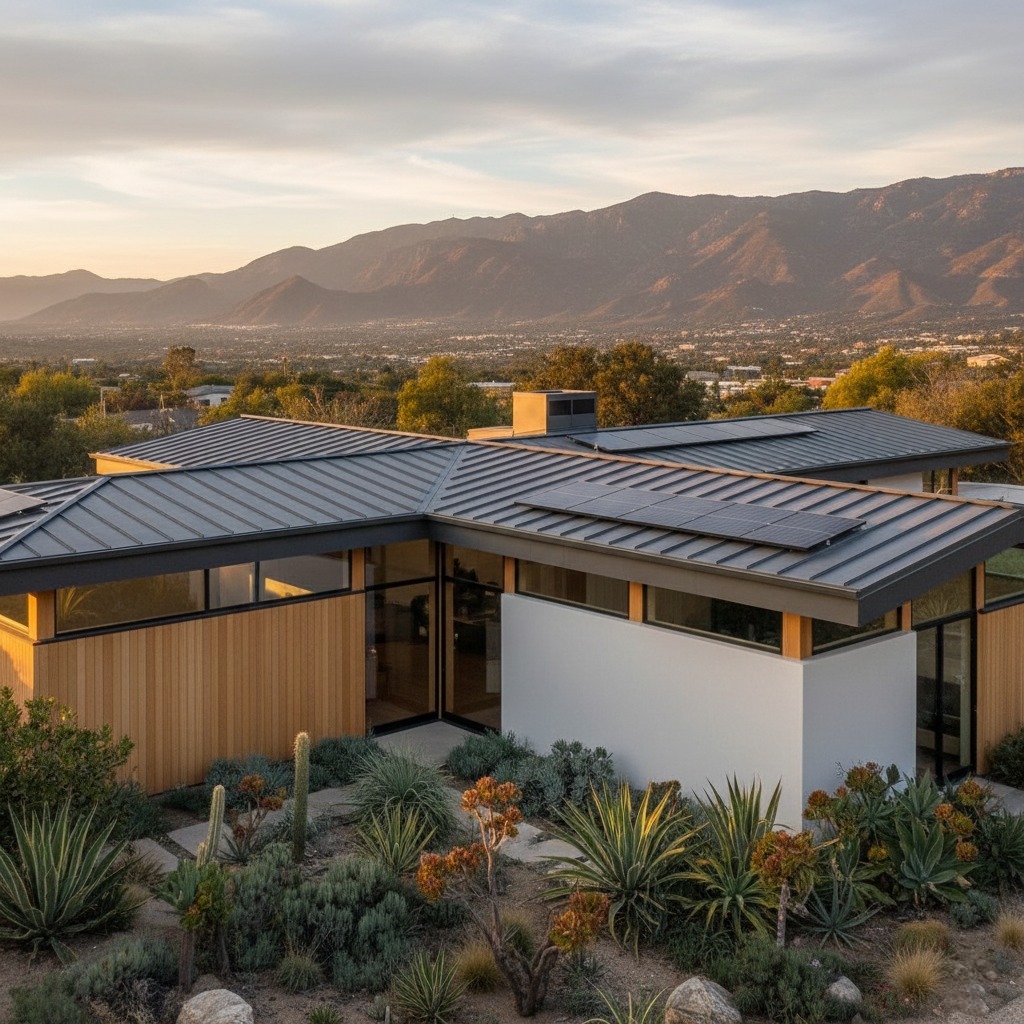
Modern Roofing: Top Trends You Need to Know for 2026

The roofing industry continues to transform as homeowners demand more from their roofs than simple protection from the weather. Today’s property owners want roofing systems that reduce energy costs, minimize environmental impact, integrate with smart home technology, and enhance curb appeal. Modern roofing represents this shift toward innovative materials, advanced technologies, and sustainable practices that deliver better performance and value.

As we move through 2026, several key trends are reshaping residential and commercial roofing. Understanding these developments helps property owners make informed decisions when replacing or upgrading their roofs. Whether you’re building new construction or replacing an aging roof, knowing what modern roofing offers ensures you choose solutions that meet current needs while preparing for future demands.

The Rise of Sustainable Roofing Materials

Environmental consciousness drives many modern roofing decisions. Homeowners increasingly recognize that roofing choices affect both their immediate costs and long-term environmental footprint. Sustainable roofing materials have moved from niche specialty products to mainstream options available through most contractors.

Recycled content in roofing materials reduces demand for virgin resources. Many modern roofing materials incorporate recycled rubber, plastic, or metal without sacrificing performance. Recyclability at end-of-life matters too. Traditional asphalt shingles create enormous landfill waste, while the materials increasingly focus on recyclability, with metal roofing leading the way as completely recyclable.

Cool roofing technology reflects more sunlight and absorbs less heat than standard materials. These reflective surfaces reduce cooling costs during warm months, particularly in hot climates. Energy Star-certified cool roofing products are now available in nearly every material category.

Modern Metal Roofing: Durability Meets Aesthetics

Metal roofing has experienced tremendous growth as technology overcomes previous limitations. Modern metal roofing no longer means just corrugated industrial panels—today’s options rival traditional materials in aesthetic appeal while offering superior performance.

Advantages of Metal Roofing in 2026

Modern metal roofing provides exceptional durability, routinely lasting 40 to 70 years compared to 15 to 30 years for asphalt shingles. Energy efficiency represents another major advantage—metal reflects solar heat, reducing cooling costs by 10-25% in many climates.

Weather resistance makes metal roofing particularly valuable in areas prone to severe weather. Metal withstands high winds, resists hail damage, and doesn’t absorb moisture. Fire resistance provides additional safety, as metal roofing is non-combustible. Low maintenance requirements save homeowners time and money over the roof’s lifetime.

Variety of Styles and Finishes

Modern metal roofing comes in numerous profiles and finishes. Standing seam metal roofing features vertical panels with raised seams, creating clean contemporary lines. Metal shingles and tiles replicate the appearance of traditional roofing materials, convincingly mimicking wood shakes, slate, or clay tiles.

Color choices have expanded dramatically. Manufacturers now offer dozens of standard colors plus custom options. Modern coating technologies ensure colors remain vibrant for decades without significant fading.

Cost-Effectiveness and Long-Term Savings

Modern metal roofing costs more upfront than asphalt shingles—typically two to three times as much. However, lifetime cost calculations often favor metal when accounting for longevity, energy savings, and minimal maintenance. Metal roofing adds resale value to homes, and some insurance companies offer discounts due to superior weather resistance.

Modern Roofing

Smart Roofing Technology for 2026

Technology integration represents one of the most exciting modern roofing developments. Smart roofing systems monitor conditions, detect problems early, and integrate with broader home automation.

Roof Sensors for Leak Detection and Monitoring

Sensors installed during roof construction can detect moisture intrusion before it causes visible damage. These systems alert homeowners immediately when water penetrates the roofing envelope, allowing prompt repairs. Temperature and moisture monitoring help identify ventilation problems or insulation failures.

Integration with Home Automation Systems

Modern roofing technology increasingly connects to whole-home automation platforms. Homeowners can monitor roof conditions through smartphone apps alongside security systems and HVAC controls. Solar roofing integration has become more seamless, with energy generation data connecting to home energy management systems.

Modern Roofing Materials to Watch for in 2026

Beyond metal, several innovative modern roofing materials are gaining market share and proving their value.

Composite Roofing Materials

Composite materials blend various ingredients to create products offering specific performance characteristics. Modern roofing composites might combine recycled rubber, plastic, and cellulose fibers to create durable, lightweight materials resistant to impact, fire, and UV damage. These engineered materials often replicate premium natural materials like slate at lower costs with better durability.

Synthetic Slate and Tile Roofing

Synthetic alternatives to natural slate and clay tile have improved dramatically. Modern products capture the aesthetic appeal of traditional materials while weighing significantly less, reducing structural requirements. Synthetic slate and tile resist breakage better than natural materials, often costing 40-60% less than natural slate.

Green Roofs and Living Roofs

Green roofs covered with vegetation represent the ultimate in sustainable roofing for appropriate applications. These systems provide exceptional insulation, manage stormwater runoff, and reduce urban heat island effects. Modern green roof technology has improved waterproofing membranes, root barriers, and drainage systems.

Improved Roof Insulation and Ventilation Solutions

Modern roofing extends beyond surface materials to include the entire roof assembly. Proper insulation and ventilation dramatically affect roof performance and longevity.

Better Insulation Materials for Roofs

Spray foam insulation has revolutionized roof insulation, creating continuous barriers without gaps. Closed-cell spray foam adds structural rigidity while providing exceptional R-value. Reflective insulation products work particularly well in hot climates, and advanced rigid foam boards offer high insulation values in thin profiles.

Ventilation Solutions for Longer Roof Life

Proper ventilation prevents moisture buildup and excessive heat in attic spaces. Modern roofing emphasizes balanced ventilation systems with adequate intake and exhaust vents. Ridge vents have become standard, providing continuous exhaust ventilation along roof peaks while remaining nearly invisible from ground level.

Modern Roofing

How to Choose a Modern Roofing Company for Your Home

Implementing modern roofing solutions requires contractors with current knowledge and proper training.

Expertise in Modern Roofing Solutions

When seeking contractors, verify they have specific experience with the materials and technologies you’re considering. A modern roofing company should demonstrate familiarity with the latest products and proper installation techniques. Ask about recent projects and request references.

Checking Certifications and Reviews

Look for contractors holding relevant certifications and licenses. Key qualifications to verify include:

  • State roofing licenses and current status
  • Manufacturer certifications for specific products
  • Professional association memberships
  • Current general liability and workers’ compensation insurance
  • Positive reviews across multiple platforms

Request detailed written estimates from multiple contractors. Compare not just prices but also proposed materials, work scope, warranty terms, and project timelines.

Conclusion

Modern roofing in 2026 offers homeowners unprecedented options for creating durable, efficient, and attractive roof systems. Sustainable materials, advanced metal products, smart technology integration, innovative composites, and improved insulation all contribute to better-performing roofs.

Modern metal roofing exemplifies how innovation enhances traditional materials. Today’s metal roofs combine exceptional durability and energy efficiency with diverse aesthetic options. Smart technology integration provides homeowners with unprecedented control over roof performance.

 
Categories
Roofing

Residential Roof Installation vs. Roof Replacement: Which Is Right for You?

Your roof represents one of the most significant investments in your home. It protects your family, belongings, and the structural integrity of your house from weather, temperature extremes, and environmental damage. When roof problems arise, or you’re building a new home, understanding the difference between residential roof installation and roof replacement becomes important for making informed decisions.

Many homeowners use these terms interchangeably, but they describe different processes with distinct considerations regarding cost, timeline, and scope of work. Knowing which option suits your situation helps you budget appropriately, set realistic expectations, and choose the right contractors for the job. This guide clarifies the differences and helps you determine which approach makes sense for your home.

Key Differences Between Roof Installation and Roof Replacement

Understanding what distinguishes these two roofing processes helps clarify which service you actually need.

Scope of Work

Residential roof installation typically refers to putting a roof on a structure that doesn’t currently have one. This happens most commonly with new construction—a newly built home or addition needs a complete roofing system installed from scratch. The process starts with bare roof decking and includes installing underlayment, drip edges, flashing, ventilation components, and finally the visible roofing material.

Roof replacement involves removing an existing roof and installing a new one in its place. This process begins with tearing off old shingles, tiles, or other roofing materials down to the roof deck. Contractors then inspect the decking for damage, make necessary repairs, and proceed with installing a new roofing system. Replacement projects often uncover hidden issues like rotten wood or inadequate ventilation that need addressing before new materials go on.

Cost Considerations

New residential roof installation on new construction generally costs less per square foot than replacement because it doesn’t include demolition and disposal of existing materials. Contractors can work more efficiently without the additional step of tear-off and cleanup.

Roof replacement includes disposal fees for old roofing materials, which can be substantial depending on the material type and local landfill rates. Replacement projects also carry a higher risk of discovering underlying problems that increase costs—damaged decking, inadequate ventilation, or structural issues hidden beneath the old roof.

Types of Materials

Both residential roof installation and replacement offer the same material choices. Asphalt shingles remain the most popular option due to their balance of cost, durability, and aesthetics. They’re available in various styles, colors, and quality levels with warranties ranging from 20 to 50 years.

Residential metal roof installation has grown increasingly popular for both new construction and replacement projects. Metal roofs offer exceptional durability, lasting 40 to 70 years with minimal maintenance. They’re energy-efficient, fire-resistant, and available in numerous styles mimicking traditional shingles, tiles, or offering distinctive standing seam profiles.

Time Frame for Completion

New residential roof installation on straightforward projects typically completes faster than replacement. Without demolition and disposal, crews can proceed directly to installation. A standard residential roof installation might take 3 to 7 days, depending on size, complexity, and weather.

Replacement projects add time for tear-off and disposal, plus potential delays if underlying damage needs repair. Most residential roof replacements take 5 to 10 days, though complex projects or those requiring extensive deck repair may take longer. Weather significantly impacts both timelines, as roofing work cannot proceed safely during rain, high winds, or extreme temperatures.

Residential Roof Installation

Deciding Between Residential Roof Installation and Roof Replacement

Several factors determine which service your situation requires and which makes the most financial sense.

Factors That Influence the Decision

The primary factor is simple: does your structure currently have a roof? New construction, room additions, or buildings previously lacking proper roofing require installation. Existing structures with failing or damaged roofs need replacement.

Beyond this basic distinction, several considerations apply to homeowners deciding whether to replace an aging roof or work with what they have:

  • Roof age and condition: Roofs approaching the end of their expected lifespan generally warrant replacement rather than continued repairs. A 20-year-old asphalt shingle roof showing widespread damage needs replacement, not patching.
  • Extent of damage: Localized damage affecting small areas might be repairable, while widespread issues throughout the roof system indicate replacement time has arrived.
  • Future plans: If you plan to sell your home soon, a new roof significantly improves marketability and value. If you’re staying long-term, replacement provides peace of mind and eliminates ongoing repair costs.
  • Budget and financing: Replacement represents a major expense. Some homeowners opt to patch and repair temporarily while saving for eventual replacement, though this approach risks additional damage if major failures occur.

When to Opt for Roof Installation

Choose residential roof installation when:

  • Building a new home or structure
  • Adding a room ora significant addition requiring new roofing
  • Converting an unroofed space like a patio into an enclosed living space
  • Building detached structures like garages, sheds, or workshops

New installation provides the opportunity to select optimal materials and design the roofing system correctly from the start, with proper ventilation, flashing, and underlayment.

When to Opt for Roof Replacement

Replacement becomes necessary when:

  • Your existing roof has reached or exceeded its expected lifespan
  • Widespread damage affects multiple areas of the roof
  • You’re experiencing frequent leaks in different locations
  • Visible deterioration appears throughout the roof surface
  • You want to upgrade to different roofing materials
  • Energy costs suggest poor roof insulation or ventilation
  • You’re preparing to sell and need to address the roof condition

Replacement allows you to correct problems with the existing roof system, upgrade materials, improve ventilation, and modernize your home’s appearance.

What to Expect When Hiring a Professional Roofing Company

Whether pursuing installation or replacement, working with qualified professionals ensures proper execution and long-lasting results.

Choosing Between Roof Installation Companies and Roof Replacement Contractors

Most professional roofing companies handle both residential roof installation and replacement. When seeking contractors, look for companies with specific experience relevant to your project type. If you’re considering residential metal roof installation, find contractors with proven metal roofing expertise, as installation techniques differ significantly from those of asphalt shingles.

Local contractors often provide advantages. They understand regional weather challenges, comply with local building codes, and maintain reputations in the community. For example, finding a residential roof installation company in your specific area, such as a residential roof installation Charlotte NC contractor if you live in that region, means working with professionals familiar with local climate conditions, permitting requirements, and material suppliers.

Key Qualities to Look for in a Roofing Contractor

Verify contractors hold proper licensing and insurance. Roofing involves significant liability—workers on your roof could be injured, and improper work could damage your home. Legitimate contractors carry both general liability insurance and workers’ compensation coverage.

Check references and review portfolios of completed work. Established residential roof installation companies should readily provide customer references and examples of similar projects. Contact references to ask about work quality, professionalism, cleanup, and whether projects stayed on budget and schedule.

Residential Roof Installation

Roof Installation vs. Roof Replacement Cost Breakdown

Understanding cost factors helps you budget appropriately for your roofing project.

Cost of Roof Installation

New residential roof installation on typical single-family homes costs between $5,000 and $25,000, with most projects falling in the $8,000 to $15,000 range. Costs vary based on:

  • Roof size (measured in squares, with one square equaling 100 square feet)
  • Material choice (asphalt shingles are the least expensive, while slate and tile cost significantly more)
  • Roof complexity (multiple valleys, dormers, or steep pitch increases labor)
  • Location and local labor rates
  • Additional features like skylights or solar panels

Residential metal roof installation typically costs more upfront than asphalt shingles—usually $10,000 to $30,000 for average homes—but offersa longer lifespan and lower lifetime costs.

Cost of Roof Replacement

Roof replacement generally costs 15-25% more than a comparable new residential roof installation due to tear-off and disposal expenses. Expect to pay $6,000 to $30,000 for most residential replacement projects, with typical costs ranging from $10,000 to $18,000.

Additional factors affecting replacement costs include:

  • Number of existing roof layers to remove (homes with multiple layers cost more)
  • Condition of underlying decking (damaged decking requires replacement)
  • Disposal fees for old materials
  • Necessary repairs to ventilation, flashing, or structure
  • Upgrades to underlayment or ice barrier systems

Get detailed written estimates itemizing all costs. Compare quotes from multiple contractors, but remember the lowest bid isn’t always the best value. Quality materials and experienced installation provide better long-term value than cheap materials installed hastily.

Conclusion

The choice between residential roof installation and roof replacement depends primarily on your situation. New construction and additions require installation, while existing homes with aging or damaged roofs need replacement. Both processes involve similar materials and techniques, but replacement includes additional steps for removing old materials and addressing hidden damage.

Cost differences exist, with replacement typically running higher due to demolition and disposal. However, replacement offers the opportunity to correct existing problems, upgrade materials, and modernize your home’s protection and appearance. New residential roof installation provides a clean slate, allowing optimal material selection and proper system design from the beginning.


Categories
Roofing

The Top Causes of Shingle Roof Damage and How to Handle Shingle Roof Repair

Your roof protects everything inside your home from the elements, and shingle roofing remains one of the most popular choices for residential properties across the country. However, even the most durable roofs face damage over time from various factors.

Understanding what causes shingle damage and knowing how to address it can save homeowners thousands of dollars in repair costs and prevent minor issues from becoming major problems.

Shingle roof damage doesn’t always announce itself with obvious leaks or missing pieces. Sometimes damage develops gradually, hidden from view until it becomes serious. Learning to identify early warning signs and taking prompt action makes the difference between a simple repair and a complete roof replacement. This guide explores the main causes of shingle damage and provides practical advice on handling repairs effectively.

Common Causes of Shingle Roof Damage

Multiple factors contribute to shingle deterioration. Recognizing these causes helps homeowners take preventive measures and understand when damage occurs.

Age of the Roof

Nothing lasts forever, and roofs are no exception. Most asphalt shingle roofs carry warranties ranging from 15 to 30 years, depending on the quality of materials. As shingles age, they become brittle, lose their protective granules, and become more susceptible to damage from weather and environmental factors.

Even with excellent maintenance, an aging roof will eventually need replacement. However, regular shingle roof repair during the roof’s lifetime can extend its useful years and delay the significant expense of full replacement.

Severe Weather Conditions

Weather represents one of the most common culprits behind shingle damage. High winds can lift and tear shingles, especially if they were improperly installed or have loosened with age. Wind-driven rain can work underneath damaged or lifted shingles, causing leaks and water damage to the underlying structure.

Hail causes particularly severe damage, creating dents, cracks, or holes that compromise shingle integrity. Heavy snow and ice buildup add weight that stresses the roof structure. Repeated freeze-thaw cycles cause shingles to expand and contract, eventually leading to cracks and splits. Areas with extreme temperature fluctuations or frequent severe weather typically see more frequent need for asphalt shingle roof repair.

Improper Installation

Quality installation matters tremendously for roof longevity. Shingles must be properly aligned, adequately fastened, and installed with correct overlap and spacing. When contractors take shortcuts or lack proper training, problems appear relatively quickly.

Common installation errors include using too few nails per shingle, failing to seal edges properly, incorrect flashing around chimneys and vents, and poor valley installation. These mistakes often lead to premature failure, requiring shingle roof repair much sooner than expected.

Lack of Maintenance

Neglecting regular roof maintenance accelerates damage. Debris like leaves, branches, and dirt accumulate in valleys and gutters, trapping moisture against shingles. This constant moisture exposure promotes deterioration and can lead to rot in the underlying roof deck.

Clogged gutters cause water to back up under shingles at the roof edges. Overhanging tree branches scrape against shingles during windy conditions, wearing away protective granules. Simple preventive maintenance prevents many issues that would otherwise require asphalt shingle roof leak repair.

Biological Growth

Algae, moss, and lichen growth on shingles isn’t just unsightly—it damages roofing materials. Moss holds moisture against shingles and can actually lift them as it grows underneath. Algae and lichen feed on the limestone filler in asphalt shingles, breaking down the material over time.

This biological growth thrives in humid climates or on roof sections that receive limited sunlight. While it develops slowly, the cumulative damage can significantly shorten the roof’s lifespan if left unchecked.

Poor Ventilation and Insulation

Proper attic ventilation and insulation play bigger roles in roof health than many homeowners realize. Inadequate ventilation traps heat and moisture in the attic space. This heat accelerates shingle aging from the underside, while moisture can cause rot in roof decking and structural timbers.

Poor insulation allows warm air from the home to reach the roof deck. In winter, this melts snow on the roof, which then refreezes at the eaves, creating ice dams. These ice dams prevent proper drainage and force water under shingles, often requiring asphalt shingle roof leak repair to address the resulting damage.

shingle roof repair​

Identifying the Signs of Shingle Roof Damage

Early detection of roof problems allows for timely shingle roof repair before damage spreads. Homeowners should watch for these warning signs.

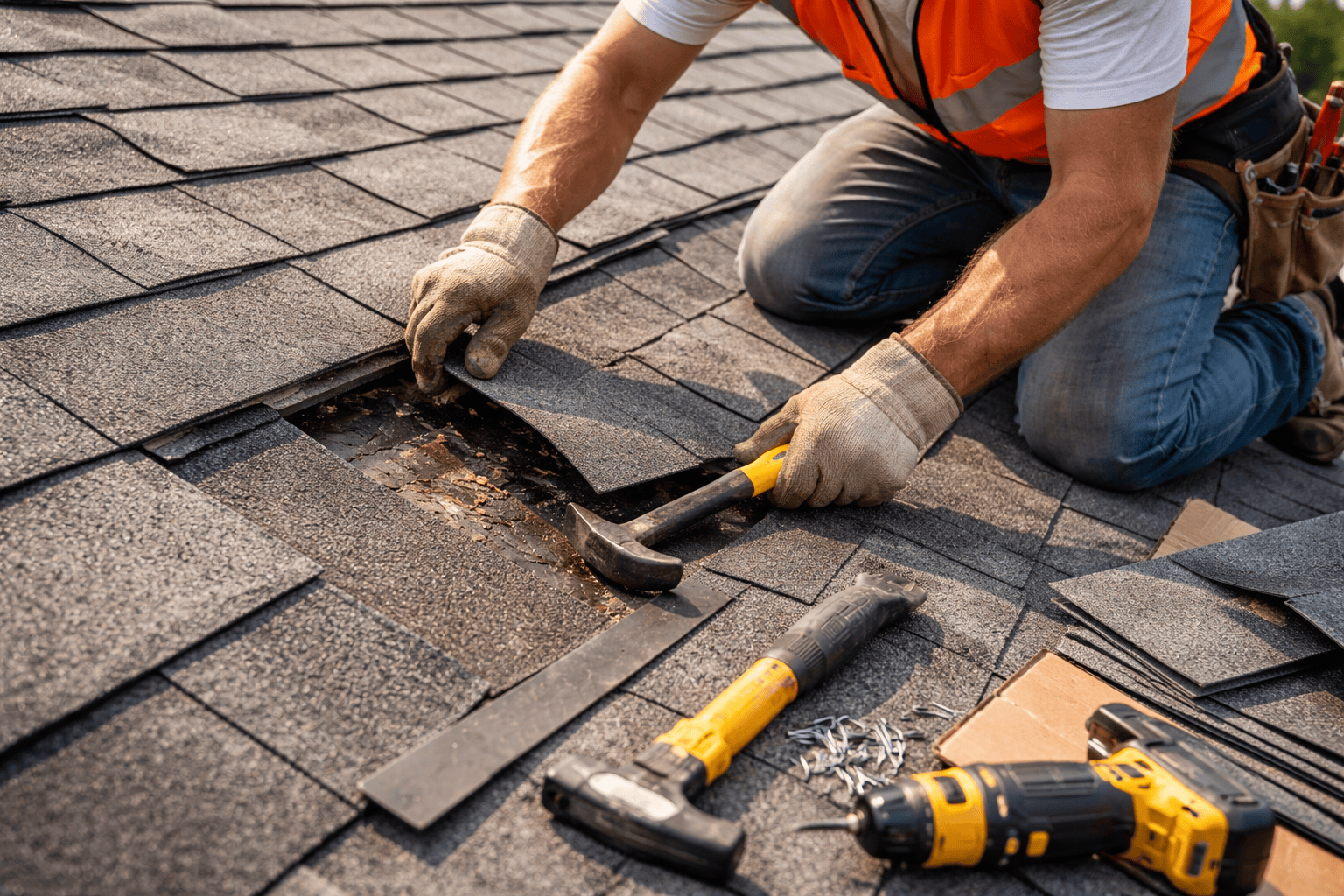
Visible Shingle Damage

From the ground or a ladder, you can often spot obvious damage. Missing shingles leave gaps exposing the underlayment or roof deck. Curling shingles have edges that turn upward or downward. Cracked or broken shingles show clear splits or pieces breaking away.

Blistering appears as bubbles or raised areas on shingle surfaces. Damaged or missing flashing around chimneys, vents, and roof edges creates vulnerable entry points for water. Regular visual inspections, especially after severe weather, help catch these issues early.

Water Stains and Leaks Inside the Home

Interior warning signs often indicate that roof problems have progressed beyond surface damage. Water stains on ceilings or walls usually appear as discolored patches, often yellowish or brown. These stains mean water has penetrated the roof and traveled through insulation and building materials.

Active leaks during or after rain clearly signal roof damage requiring immediate attention. Even small leaks cause significant damage over time, promoting mold growth and rotting structural components. Any interior water intrusion warrants prompt professional inspection and shingle roof repair.

Granule Loss and Shingle Wear

Asphalt shingles have protective granules that shield the underlying asphalt from UV damage and weathering. As shingles age or sustain damage, these granules loosen and wash into gutters. Check gutters and downspouts for excessive granule accumulation.

Shingles losing significant granules appear darker or have bare spots where the black asphalt shows through. This exposure accelerates deterioration and signals that shingle roof repair or replacement may be needed soon.

Sagging Roof Deck

A sagging or uneven roofline indicates serious structural problems. This might result from prolonged moisture exposure, rotting roof decking, inadequate initial construction, or excessive weight from snow or ice. Sagging requires immediate professional assessment, as it suggests the roof may be at risk of failure.

Shingle Roof Repair: When and How to Address Damage

Understanding when to repair versus replace, and knowing temporary measures versus permanent solutions, helps homeowners make informed decisions.

Minor Damage vs. Major Damage

Minor damage affecting a small number of shingles in a localized area can typically be repaired without replacing the entire roof. This includes a few missing or damaged shingles, small leaks, or damage from a fallen branch. Asphalt shingle roof repair for these issues is straightforward and relatively affordable.

Major damage affecting large sections of the roof, widespread leaks, or damage combined with an aging roof often makes replacement more cost-effective than extensive repairs. A professional inspection helps determine which approach makes financial sense.

Temporary Solutions for Leaks

When you discover a leak, temporary measures can limit damage until professional help arrives. Place buckets to catch dripping water and protect belongings. From the attic, you might be able to trace the leak path and mark it for repair crews.

For accessible exterior damage, a waterproof tarp secured over the damaged area can prevent further water intrusion during rain. However, these are truly temporary measures—proper shingle roof repair should follow as quickly as possible to prevent additional damage.

Professional Shingle Roof Repair Services

While handy homeowners might tackle very minor repairs, most situations benefit from professional expertise. Roofing contractors have the experience to properly diagnose problems, access appropriate materials, and perform repairs that actually last.

Professional asphalt shingle roof repair includes not just replacing damaged shingles but addressing underlying issues. This might involve repairing damaged roof decking, improving ventilation, or correcting installation errors. Contractors also ensure repairs match existing shingles and are properly integrated with surrounding materials.

shingle roof repair​

Choosing the Right Roofing Contractor for Shingle Roof Repair

Finding a qualified, trustworthy contractor makes a significant difference in repair quality and cost.

Qualities to Look for in a Roofing Contractor

Start by verifying credentials. Contractors should carry both liability insurance and workers’ compensation coverage. Many states require roofing licenses—confirm your contractor holds necessary licenses and that they’re current.

Look for contractors with established local presence and good reputations. Check online reviews, but also ask for recent customer references and actually contact them. Experienced contractors can provide portfolios of completed work and should willingly answer questions about their processes and materials.

Getting Multiple Quotes

Always obtain at least three quotes for shingle roof repair work. This allows you to compare not just prices but also proposed solutions, materials quality, and contractor professionalism. The lowest bid isn’t always the best choice—sometimes it indicates cut corners or lower quality materials.

When comparing quotes, ensure each contractor examined the same issues and proposed comparable solutions. Ask questions about any significant price differences. Understand what warranties cover both materials and workmanship, and get these warranty terms in writing.

Understanding Shingle Repair Cost

The shingle repair cost varies widely based on damage extent, roof accessibility, materials needed, and local labor rates. Minor repairs addressing a few damaged shingles might cost a few hundred dollars.

More extensive asphalt shingle roof leak repair involving multiple areas, underlayment replacement, or deck repairs can run into thousands.

Factors affecting cost include:

  • Roof pitch and height (steeper or higher roofs cost more)
  • Extent of damage and number of shingles needing replacement
  • Whether the underlying deck or structure needs repair
  • Flashing or valley work required
  • Local labor rates and material costs
  • Roof accessibility and complexity

Request itemized quotes so you understand exactly what you’re paying for. Some contractors charge by the square foot (100 square feet), while others quote specific repair jobs individually.

Conclusion

Shingle roof damage stems from multiple sources—age, weather, poor installation, lack of maintenance, biological growth, and ventilation issues. Each cause requires different preventive measures and repair approaches. Recognizing damage early through regular inspections gives homeowners the best chance to address problems before they worsen.

The signs of damage range from obvious missing shingles to subtle interior water stains. Learning to spot these warnings helps protect your home and your investment. When damage appears, distinguishing between minor issues suitable for repair and major problems requiring replacement determines the most cost-effective solution.

 
Categories
Roofing

What to Expect During Storm Damage Roof Replacement

Severe weather strikes without warning, leaving homeowners to deal with the aftermath. Hailstorms pummel roofs with ice, high winds tear off shingles and damage flashing, and tornadoes can destroy entire roof sections in seconds. Storm damage roof replacement becomes necessary when weather events compromise your roof’s ability to protect your home.

Understanding the replacement process—from initial inspection through final completion—helps you make informed decisions during a stressful time and ensures your home gets proper protection as quickly as possible.

Storm Damage Roof Replacement Inspection Process

Initial Roof Damage Assessment

The storm damage roof replacement inspection begins immediately after weather events, whenit is safe to access the roof. Never attempt to inspect roof damage yourself—walking on damaged roofing is dangerous and can cause additional damage that insurance may not cover. Professional roofing contractors have proper safety equipment and training to assess damage without creating new problems.

During initial assessment, inspectors examine the roof from ground level and then conduct a closer inspection from the roof surface. They document all visible damage with photographs and notes, creating records needed for insurance claims and repair planning. This preliminary assessment determines whether repairs can address the damage or if full replacement is necessary.

Identifying the Type of Storm Damage

Different weather events create distinct damage patterns. Hail creates circular bruises or cracks in shingles, with impact marks on metal components like vents and flashing. The size and density of hail impacts indicate damage severity. Large hail (1 inch or greater) typically necessitates full replacement rather than repairs.

Wind damage appears as lifted, torn, or missing shingles, usually in patterns reflecting wind direction. High winds can peel back entire sections of roofing or strip shingles from edges and ridges. Wind also damages flashing around chimneys, vents, and valleys—critical areas for preventing leaks.

Tornado or severe storm damage may include debris impact, structural damage to roof decking or framing, and complete removal of roofing materials. This severe damage obviously requires complete roof replacement along with possible structural repairs.

Detailed Inspection Report

After thorough examination, a storm damage roof replacement contractor provides a comprehensive written report documenting all findings. This report includes:

  • Photographic documentation of all damage areas
  • Description of damage types and severity
  • Assessment of the roof deck condition if visible
  • Evaluation of ventilation, insulation, and attic moisture
  • Specific recommendations for repairs or replacement
  • Estimated costs for recommended work

This detailed report serves multiple purposes: it helps you understand the damage, provides documentation for insurance claims, and establishes a clear scope of work for the replacement project.

storm damage roof replacement

Choosing a Storm Damage Roof Replacement Contractor

Experience and Expertise

After severe weather events, contractors from outside your area often arrive quickly, offering storm damage roof replacement services. While some are legitimate professionals, others are opportunistic operators who do substandard work and disappear before problems emerge.

Choose contractors carefully based on experience and local reputation.
Look for companies with established local presence—physical offices, not just phone numbers. Verify they have extensive experience specifically with storm damage roof replacement, not just general roofing. Ask how many storm damage projects they’ve completed and request references from recent storm-related work you can contact.

Verifying Credentials and Insurance

Legitimate contractors carry the proper licensing required in your state and locality. They maintain adequate insurance, including general liability coverage and workers’ compensation for their employees. Request written proof of both licensing and insurance, and verify coverage is current by contacting insurers directly.

Membership in professional organizations like the National Roofing Contractors Association (NRCA) or manufacturer certification programs indicates that contractors invest in training and follow industry standards. While not guarantees of quality, these credentials suggest professional commitment.

Working with Insurance Companies

Experienced storm damage roof replacement contractors understand insurance claim processes and can assist with documentation, damage assessment, and scope development. However, be cautious of contractors who offer to “handle everything” with your insurance or suggest they’ll inflate claims to cover your deductible—both practices are illegal.

The best contractors work cooperatively with insurance adjusters, providing detailed damage documentation and answering technical questions, while leaving claim decisions to you and your insurer. They should provide estimates that accurately reflect the necessary work without padding costs or including unnecessary items.

What to Expect During the Storm Damage Roof Replacement Process

Roof Removal

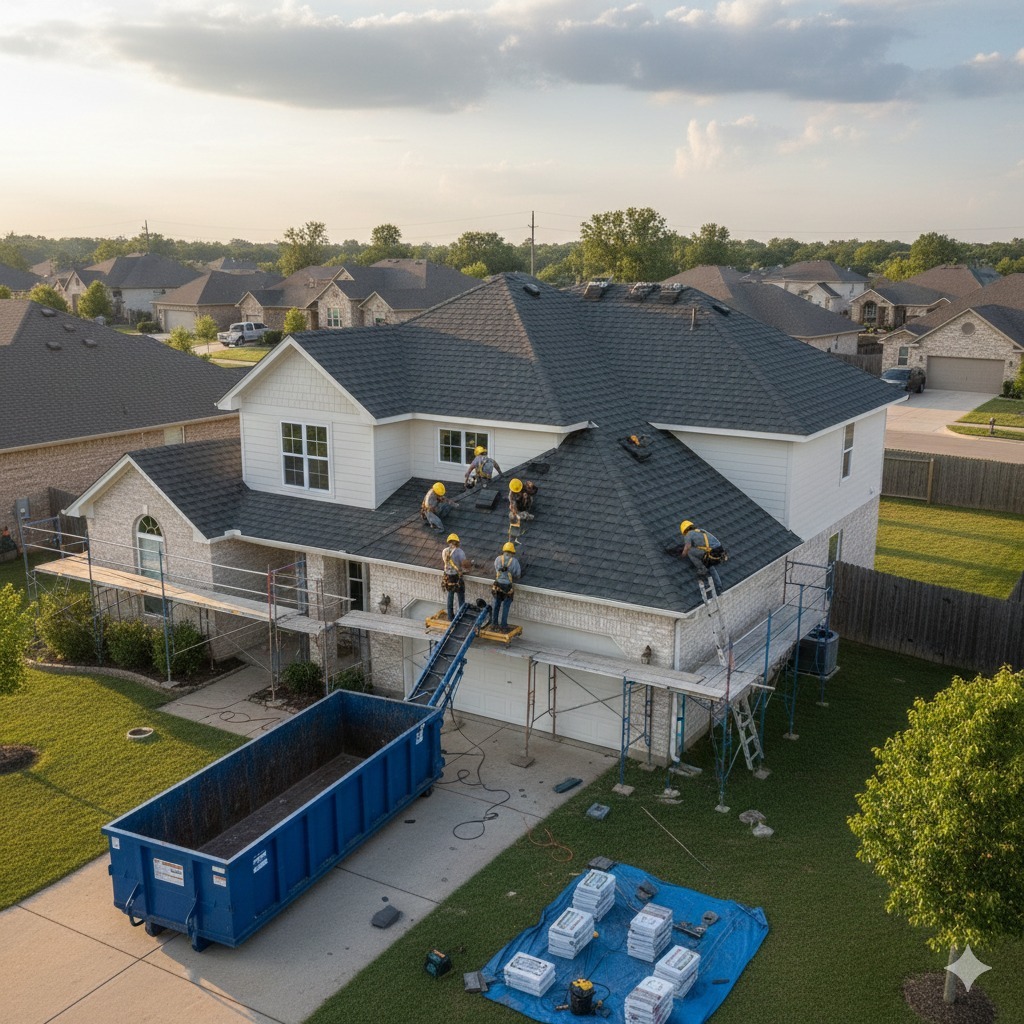
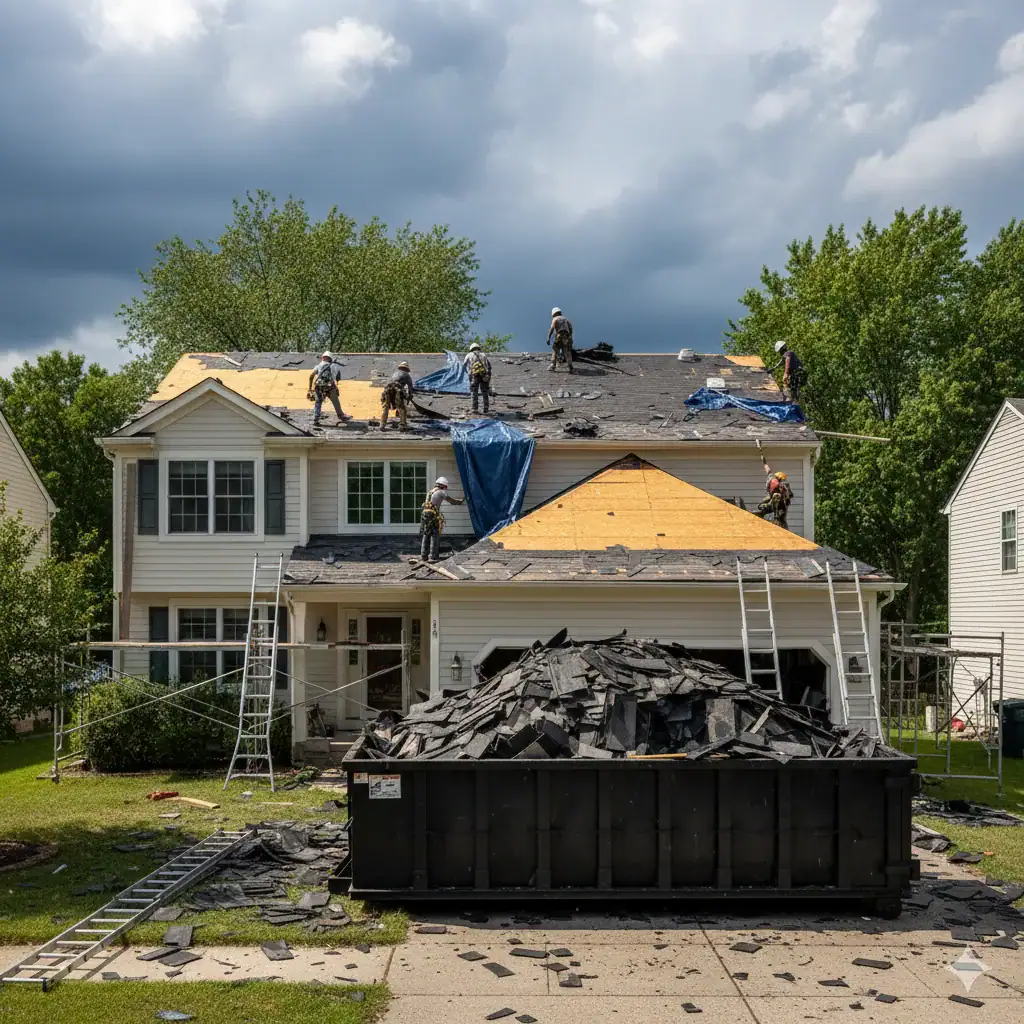
It begins with removing all damaged roofing materials down to the roof deck. Crews systematically strip shingles, underlayment, and any damaged components, working section by section to minimize weather exposure. They protect your property with tarps if work must pause before new roofing is installed.

Removal creates significant noise and vibration throughout your house. Protect fragile items in upper rooms and attic spaces. The process also generates substantial debris—expect dumpsters on your property and activity around your home during this phase.

Most residential storm damage roof replacement projects are completed in one to two days, depending on roof size and complexity. Contractors should cover exposed areas with tarps at the end of each work day to prevent weather damage if installation isn’t complete.

Roof Deck Inspection and Repair

Once existing roofing is removed, contractors thoroughly inspectthe roof decking for damage. Storm impacts, previous leaks, or hidden deterioration often become apparent only after removal. Damaged deck sections must be replaced before installing new roofing—compromised decking can’t properly support new materials.

Deck repairs add costs and time to projects, but proper deck condition is non-negotiable for reliable roof performance. Reputable contractors document any discovered deck damage with photos and explain necessary repairs before proceeding. Insurance may cover deck damage if it resulted from the covered storm event.

Installing the New Roof

New roof installation follows a specific sequence to ensure proper protection. First, contractors install new underlayment—the water-resistant barrier between decking and shingles. Quality underlayment provides critical backup protection if shingles ever fail.

Next, they install drip edge along the roof edges to direct water away from the fascia and into gutters. Ice and water shield goes in vulnerable areas—valleys, around chimneys and skylights, and along eaves in cold climates where ice dams form. These protective layers work together to prevent water infiltration.

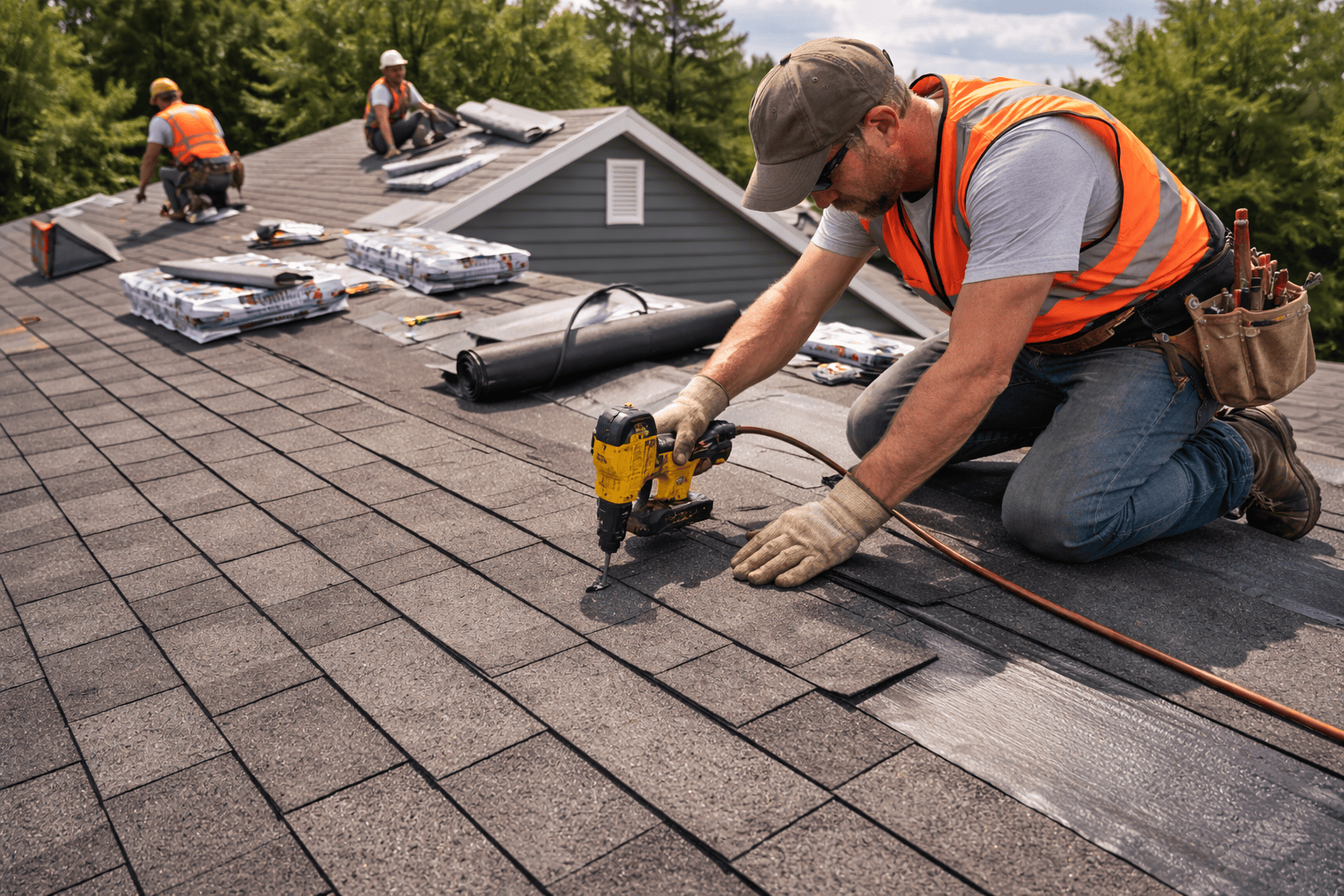
Finally, shingle installation proceeds from bottom to top, with each course overlapping the one below to shed water effectively. Proper nailing patterns and placement matter tremendously—incorrect installation voids warranties and leads to premature failure. This phase typically takes two to four days for average-sized residential roofs.

Adding Flashing and Seals

Flashing around chimneys, vent pipes, skylights, and valleys requires special attention. These roof penetrations and intersections are common leak points if not properly flashed. Quality replacement includes new flashing at all critical locations, properly integrated with underlayment and shingles.

Ridge vents and other ventilation components are installed next, ensuring proper attic airflow that extends roof life and prevents moisture problems. Finally, contractors seal all nail heads and joints according to the manufacturer’s specifications.

Final Inspection and Clean-Up

Upon completion, contractors should conduct a final quality inspection before making the final payment. They walk the entire roof checking for proper installation, secure attachment, and correct details. This internal quality check catches any issues before they become your problems.

Professional storm damage roof replacement services include thorough site cleanup. Magnetic rollers collect nails and metal debris from your yard. All waste materials go to dumpsters for proper disposal. Your property should look cleaner than before work began—no debris, no damage to landscaping or outdoor features.

storm damage roof replacement

How Storm Damage Roof Replacement Affects Your Home’s Insurance

Filing a Claim

Contact your insurance company immediately after discovering storm damage, even before hiring contractors. Prompt reporting prevents claim complications. Your insurer will assign an adjuster to inspect damage and determine coverage.

Document everything yourself with photos and videos before contractors start work. Note the date of the storm event that caused damage. Keep all correspondence with your insurance company, contractors, and any other parties involved in the replacement process.

Coverage for Roof Replacement

Most homeowners’ insurance policies cover storm damage roof replacement if the damage results from covered perils like wind, hail, or lightning. However, coverage varies based on policy terms, roof age, and maintenance history. Older roofs may receive depreciated value rather than full replacement cost, requiring you to pay the difference.

Review your policy carefully to understand your coverage, deductible, and any limitations. Some policies exclude certain types of damage or have special provisions for roofs over a certain age. If your policy provides actual cash value rather than replacement cost coverage, expect to pay more out of pocket.

Work with your contractor to ensure proper documentation of all work. Insurance companies require detailed invoices showing materials used and work performed before releasing final payment. Legitimate contractors understand these requirements and provide the necessary documentation.

Successfully Completing Your Storm Damage Roof Replacement

The key steps involved in storm damage roof replacement include thorough inspection, documenting all damage, careful contractor selection based on experience and credentials, systematic roof removal and replacement following industry best practices, and detailed final inspection ensuring quality work. Throughout this process, maintaining clear communication with both your contractor and insurance company prevents misunderstandings and delays.

Choosing experienced contractors who specialize in storm damage roof replacement ensures the work is done correctly, quickly, and efficiently. Quality contractors protect your home during the replacement process, coordinate effectively with insurance adjusters, and stand behind their work with solid warranties.


Categories
Roofing

Commercial Roof Maintenance: Signs That Your Roof Needs Attention

Commercial roofs face constant exposure to weather, UV radiation, temperature fluctuations, and structural stresses that residential roofs rarely encounter. A failing commercial roof doesn’t just threaten the building structure—it can disrupt business operations, damage inventory and equipment, create liability issues, and result in repair costs that run into tens of thousands of dollars. Regular attention to your roof’s condition prevents these expensive emergencies.

The critical role of commercial roof maintenance in preserving the structural integrity and functionality of commercial properties cannot be overstated. A well-maintained roof protects your business investment, maintains comfortable working conditions, prevents operational disruptions, and extends the roof’s service life by years or even decades.

Common Signs Your Commercial Roof Needs Attention

Water Stains or Leaks Inside the Building

Water stains on ceilings or walls are the most obvious indicators that your commercial roof has failed somewhere. Unlike residential roofs, where leaks often appear close to their source, commercial roof leaks can travel considerable distances through insulation, along structural members, or within the roof assembly before becoming visible inside the building.

Even small stains warrant immediate investigation. Water infiltration damages insulation (reducing energy efficiency), promotes mold growth, damages ceiling tiles and finishes, and can compromise structural elements if left unaddressed. During or after rain events, check your building’s upper floors, especially areas directly below roof penetrations like HVAC units, skylights, and roof drains.

Sagging or Uneven Roof Surfaces

Sagging areas on commercial roofs indicate serious structural problems. Flat or low-slope roofs should maintain consistent planes without dips, depressions, or visible sagging. These irregularities suggest water pooling that has stressed the roof deck, saturated insulation that has added excessive weight, or structural deterioration of decking or supports.

Ponding water—standing water that remains on the roof 48 hours after rainfall—accelerates roof deterioration. The weight stresses the structure, while prolonged moisture exposure degrades roofing membranes, promoting leaks. Areas of persistent ponding require commercial roof maintenance to address drainage issues before catastrophic failure occurs.

Missing, Damaged, or Curling Shingles

While many commercial buildings use membrane roofing systems, those with pitched roofs featuring shingles face the same degradation patterns as residential properties. Missing shingles leave underlying materials exposed to the weather. Damaged, cracked, or curling shingles no longer provide effective water shedding.

Wind damage often removes shingles in patches, creating vulnerable areas where water penetrates easily. After severe weather events, visual inspection of accessible roof areas helps identify damage before leaks develop. Even on membrane roofs, check for tears, punctures, or separations at seams that compromise waterproofing.

Clogged or Damaged Gutters and Downspouts

Commercial roof drainage systems handle large water volumes during rain events. Clogged gutters and downspouts prevent proper drainage, causing water to back up onto the roof or overflow onto building exteriors and foundations. Standing water from poor drainage accelerates roof membrane deterioration and creates leak risks.

Damaged gutters—those that are pulling away from fascia, sagging, or showing rust/corrosion—don’t effectively channel water away from the building. During regular commercial roof maintenance, technicians should clean drainage systems and verify they’re functioning properly.

Leaves, debris, and even vegetation commonly accumulate in commercial gutters, particularly if trees overhang the building.

Visible Cracks or Holes in the Roof Membrane

Membrane roofing systems (TPO, EPDM, PVC) develop cracks and holes from various sources: UV exposure, foot traffic, debris impact, or simple aging. Small punctures from maintenance activities (HVAC work, antenna installation) can go unnoticed until they allow water infiltration.

Regularly walk accessible roof areas looking for obvious damage. Pay particular attention to areas around roof penetrations, seams, and edges where membranes experience the most stress. Bubbling or blistering in membrane surfaces indicates trapped moisture or adhesion failure—problems that worsen if not addressed promptly.

Mold or Mildew Growth

Mold or mildew growth inside your building—particularly in upper floors or near rooflines—often results from roof leaks or moisture penetration. Beyond the obvious health concerns and unpleasant odors, mold indicates ongoing moisture problems that will continue damaging building materials until the source is corrected.

Mold growth on the roof exterior, while less concerning than interior mold, can indicate areas where moisture accumulates due to poor drainage or membrane damage. Dark streaks, green/black patches, or moss growth suggest areas needing commercial roof maintenance attention.
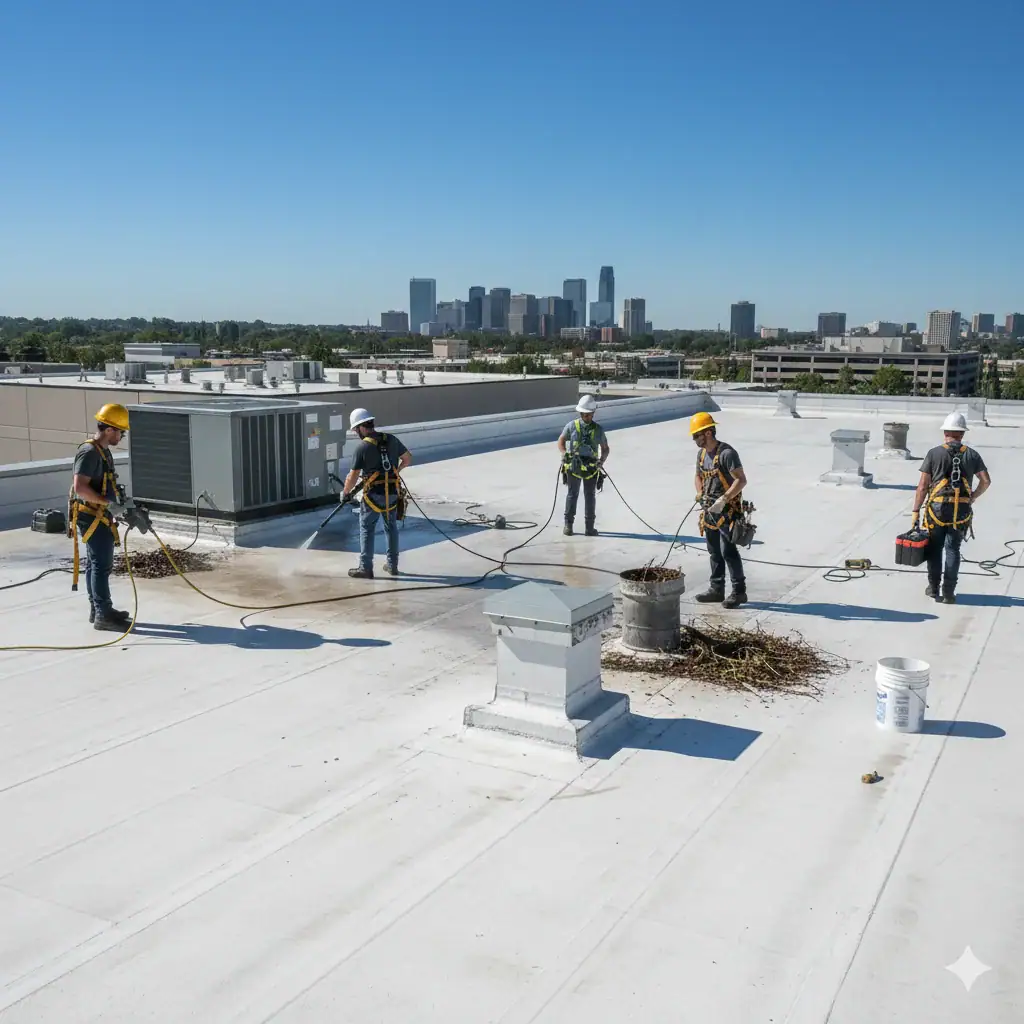
commercial roof maintenance

The Importance of Routine Roof Inspections

Proactive Detection of Issues

Regular inspections form the foundation of effective commercial roof maintenance programs. Professional inspections identify minor problems—small cracks, beginning deterioration, or developing issues—before they cause significant damage. Fixing a small membrane tear costs hundreds of dollars; replacing a roof section damaged by years of undetected leaks costs thousands or tens of thousands.

Most commercial roofs benefit from at least bi-annual professional inspections, typically scheduled in spring and fall. Buildings in harsh climates or with older roofs may need quarterly inspections. These scheduled assessments catch developing problems early when repairs are simpler and less expensive.

Seasonal Inspections and Maintenance

Different seasons present different roof challenges. Spring inspections assess damage from winter weather—ice, snow loads, freeze-thaw cycles. Technicians clear drainage systems of spring debris before summer storms. Fall inspections prepare roofs for winter, ensuring drainage works properly and identifying areas needing repair before snow and ice arrive.

Seasonal commercial roof maintenance services also address preventive tasks: clearing debris, checking and tightening fasteners, inspecting and resealing penetrations, and verifying proper function of all roof components. This proactive approach prevents many common failure modes.

Identifying Potential Problems Before They Escalate

Experienced inspectors don’t just find existing problems—they recognize conditions that will likely cause future issues. Slightly reduced flashing attachment, early-stage sealant deterioration, or minor membrane shrinkage may not threaten the roof today but will cause leaks within months if unaddressed.

This predictive aspect of professional commercial roof maintenance helps you budget for repairs, schedule work during slow business periods, and prevent emergency situations that disrupt operations and cost significantly more to address.

Commercial Roof Maintenance Services: What to Expect

Comprehensive Roof Assessments

Quality commercial roof maintenance services begin with a thorough assessment of your entire roofing system. Technicians examine the membrane or shingle surface, all flashing details, penetrations (vents, HVAC units, skylights), drainage components, edge details, and structural elements. They document conditions with photos and notes, creating detailed records of roof status.

Advanced assessments may include infrared scanning to detect hidden moisture, core samples to verify insulation and decking conditions, or adhesion testing to ensure proper membrane attachment. This comprehensive approach identifies both visible and hidden problems.

Tailored Maintenance Plans

After initial assessment, reputable commercial roof maintenance companies develop customized maintenance plans addressing your roof’s specific needs. Plans specify inspection frequency, routine maintenance tasks, identified repairs, and schedules for work completion. They account for your roof type, age, condition, building use, and budget constraints.

Structured maintenance plans prevent problems from being overlooked and provide documentation valuable for warranty compliance, insurance purposes, and property value assessments. Many building owners find that regular maintenance programs actually reduce overall roofing costs compared to reactive repairs.

Emergency Roof Repairs

Even with excellent maintenance programs, unexpected damage can occur—storm damage, equipment impact, or sudden failures. Commercial roof maintenance services should offer emergency response for urgent situations. Fast response to active leaks minimizes interior damage and business disruption.

Emergency capabilities matter when evaluating providers. Ask about response times, after-hours availability, and temporary repair options that protect your building while permanent solutions are arranged.

Roof Leak Detection and Repair

Modern leak detection techniques—infrared scanning, moisture meters, dye testing—help locate even elusive leaks quickly. Once found, leaks need proper repair, not just quick patches that fail within months. Quality commercial roof maintenance includes repairs done correctly with appropriate materials and techniques for your specific roof system.

Leak repairs should come with documentation and warranties. Proper repairs address the root cause, not just visible symptoms, preventing recurring problems.
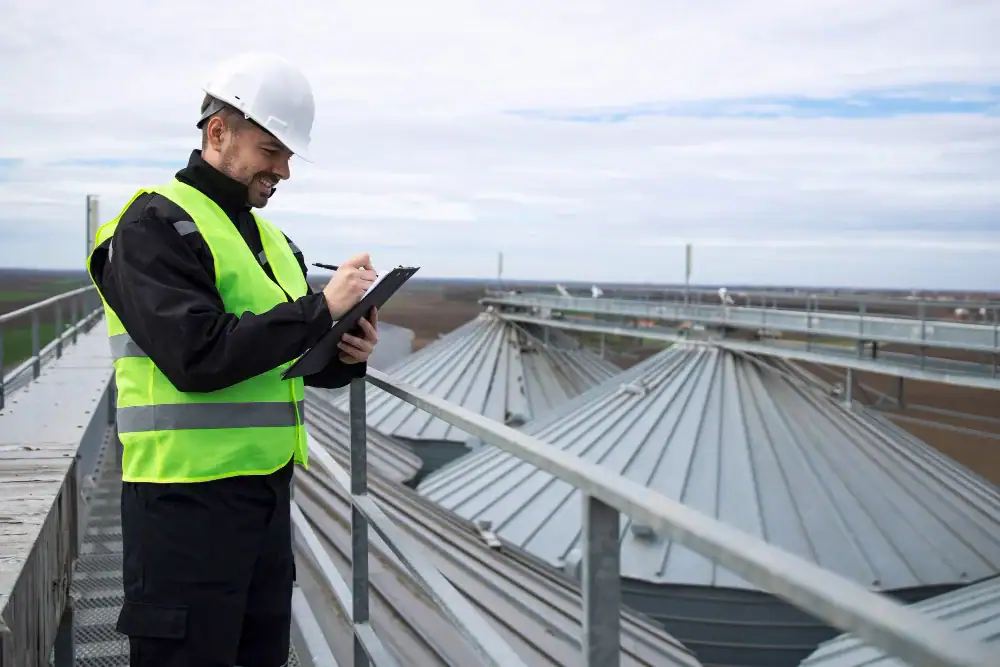
commercial roof maintenance

Choosing a Commercial Roof Maintenance Company

Experience With Your Roof Type

Commercial roofs vary significantly—built-up roofing (BUR), modified bitumen, single-ply membranes (TPO, PVC, EPDM), metal roofing, and more. Each requires specific knowledge and techniques. When selecting a commercial roof maintenance company, verify that they have extensive experience with your particular roof system.

Ask for references from buildings with similar roofing to yours. Experienced contractors can discuss common issues with your roof type and explain their maintenance approach specific to those materials.

Licensing, Insurance, and Certifications

Commercial roofing work requires proper licensing, adequate insurance coverage, and often manufacturer certifications. Verify that any contractor you consider carries general liability insurance and workers’ compensation coverage. Many quality contractors hold certifications from major roofing manufacturers, indicating they’ve received training on proper installation and maintenance techniques.

Licensed contractors comply with building codes and industry standards. They carry insurance that protects you from liability if accidents occur during roof work on your property.

Local Presence and Reputation

Local commercial roofing maintenance services offer advantages over distant providers. They’re familiar with regional climate challenges, local building codes, and material performance in your area. They can respond quickly to inspections or emergencies. Local reputation matters—contractors who’ve served your community for years have track records you can verify.

Check online reviews, but also ask for recent references and actually contact them. Inquire about response times, work quality, communication, and whether the contractor followed through on commitments.

Transparent Pricing and Contracts

Reputable companies provide detailed written estimates explaining the scope of work, materials, labor, and costs. They offer clear contracts specifying work to be performed, timelines, payment terms, and warranties. Be wary of significantly low bids that may indicate shortcuts or hidden costs.

Maintenance contracts should clearly state what’s included—inspection frequency, routine tasks, materials provided, and what constitutes additional work requiring separate authorization. Understanding exactly what you’re paying for prevents disputes and ensures you receive the expected services.

Protecting Your Commercial Property Investment

Regular commercial roof maintenance protects your business by preventing expensive damage, reducing long-term repair costs, and ensuring your roof reaches its full expected lifespan. Routine inspections and timely repairs keep business operations running smoothly without weather-related disruptions.

Preventive maintenance extends roof life by 5-15 years in most cases, representing enormous cost savings over the building’s lifetime. By addressing warning signs promptly and maintaining regular inspection schedules, you protect your property investment and avoid the operational disruptions and financial impacts of roof failures.


Categories
Roofing

Roof Leak Detection: What You Need to Know Before Hiring a Professional

Water infiltration through your roof can cause thousands of dollars in damage before you even notice a problem. By the time you see a ceiling stain or dripping water, moisture has often been present for weeks or months, potentially damaging insulation, framing, and drywall, and creating conditions for mold growth. Early roof leak detection prevents minor issues from becoming major structural problems that require extensive and expensive repairs.

The importance of roof leak detection in preventing long-term damage to your home or commercial building cannot be overstated. A small leak that costs $300 to repair today can turn into a $10,000 problem involving structural repairs, mold remediation, and damaged interior finishes if left unaddressed. Understanding how professionals find and diagnose leaks helps you make informed decisions about protecting your property.

Signs You Have a Roof Leak

Water Stains on Ceilings or Walls

Discolored patches on ceilings or upper walls are the most obvious signs of roof leaks. These stains typically appear yellowish, brown, or copper-colored and may expand over time. The stain location doesn’t always correspond to the actual leak point—water can travel along rafters, insulation, or other materials before appearing inside your home.

Don’t ignore small stains, thinking they’ll stay contained. Even minor discoloration indicates moisture penetration that will worsen without intervention. Recent stains may disappear when they dry, only to reappear during the next rain, making the problem seem intermittent when it’s actually continuous.

Mold or Mildew Growth

Persistent moisture from roof leaks creates ideal conditions for mold and mildew. You might notice musty odors, visible mold growth on walls or ceilings, or allergic reactions that worsen when you’re home. Mold often grows in hidden areas like attics or inside walls before becoming visible in living spaces.

Mold resulting from roof leaks poses health risks and requires professional remediation once it spreads significantly. Early roof leak detection and repair prevent this secondary damage entirely.

Dripping Water or Visible Moisture in Attics

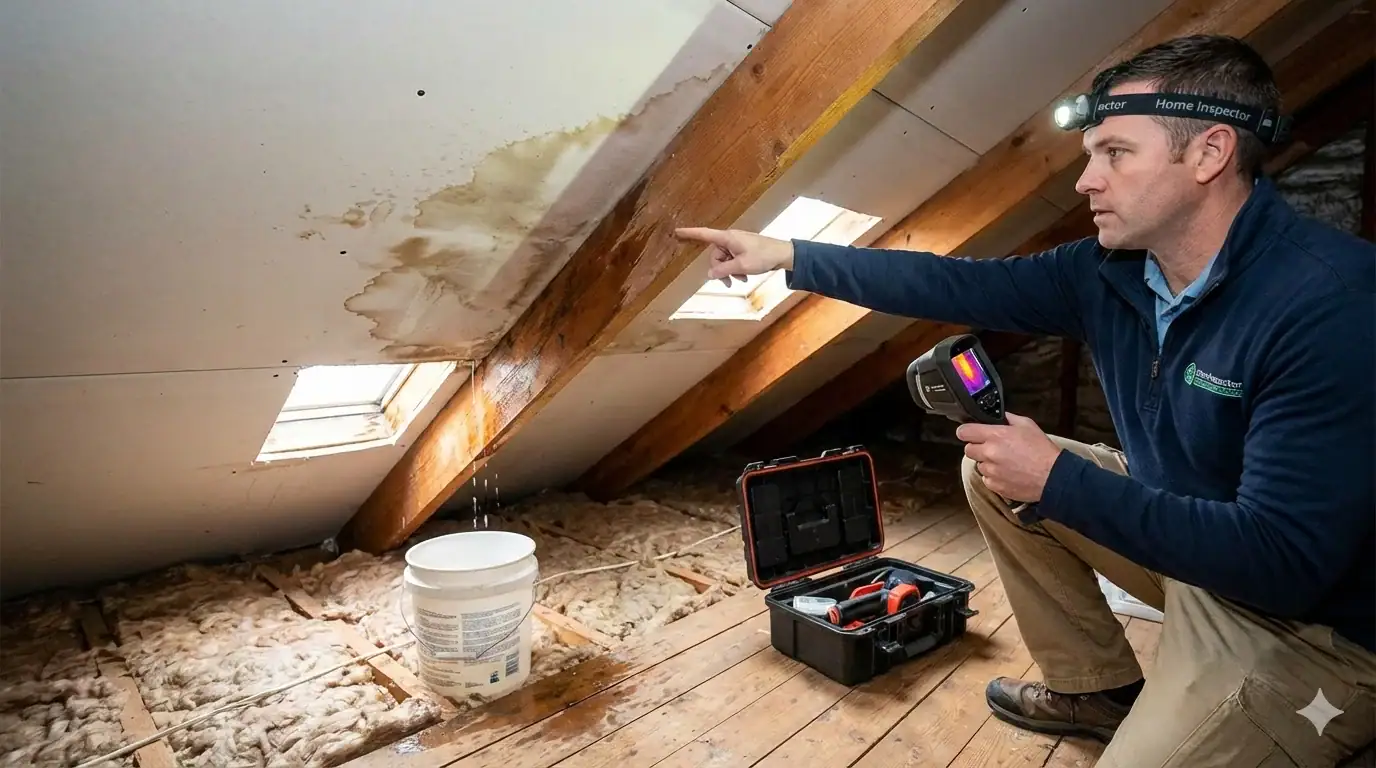
Water actively dripping or visible wet spots in your attic during or after rain clearly indicate roof penetration. Check your attic during heavy rain with a flashlight to spot active leaks. Look for water running down rafters, wet insulation, or puddles on the attic floor.

Even if you don’t see active dripping, look for water stains on the roof decking or rafters, which indicate previous or intermittent leaks. Compressed or darkened insulation also suggests moisture exposure.

Missing, Damaged, or Curling Shingles

External roof damage often precedes evidence of interior leaks. Missing shingles leave the roof decking exposed to the weather. Damaged, cracked, or curling shingles no longer provide proper water shedding. Granule loss (shingles looking bald or discolored) indicates aging that compromises waterproofing.

Flashing around chimneys, vents, skylights, and roof valleys deteriorates over time. Separated, rusted, or missing flashing allows water penetration even when surrounding shingles appear intact.

High Energy Bills or Temperature Fluctuations

Wet insulation loses effectiveness, forcing your heating and cooling systems to work harder. Unexplained increases in energy costs or difficulty maintaining consistent indoor temperatures can indicate moisture problems from roof leaks, compromising insulation performance.

This symptom often goes unrecognized because homeowners don’t connect energy efficiency with roof condition. However, moisture-damaged insulation can lose 50% or more of its R-value, significantly impacting comfort and utility costs.

roof leak detection​

Methods of Roof Leak Detection

Professional roof leak detection services employ multiple techniques to accurately locate moisture intrusion, even when leaks are hidden or intermittent.

Visual Inspections

Comprehensive visual inspection forms the foundation of roof leak detection. Professionals examine both exterior and interior areas, looking for obvious damage, wear patterns, and moisture evidence. They check all roof penetrations, flashing details, and vulnerable areas where leaks commonly occur.

Experienced inspectors recognize subtle signs that untrained eyes miss—slight sagging in roof lines, minor sealant deterioration, or early-stage material failure. They also assess overall roof condition to identify areas likely to develop leaks soon.

Infrared Camera Scanning

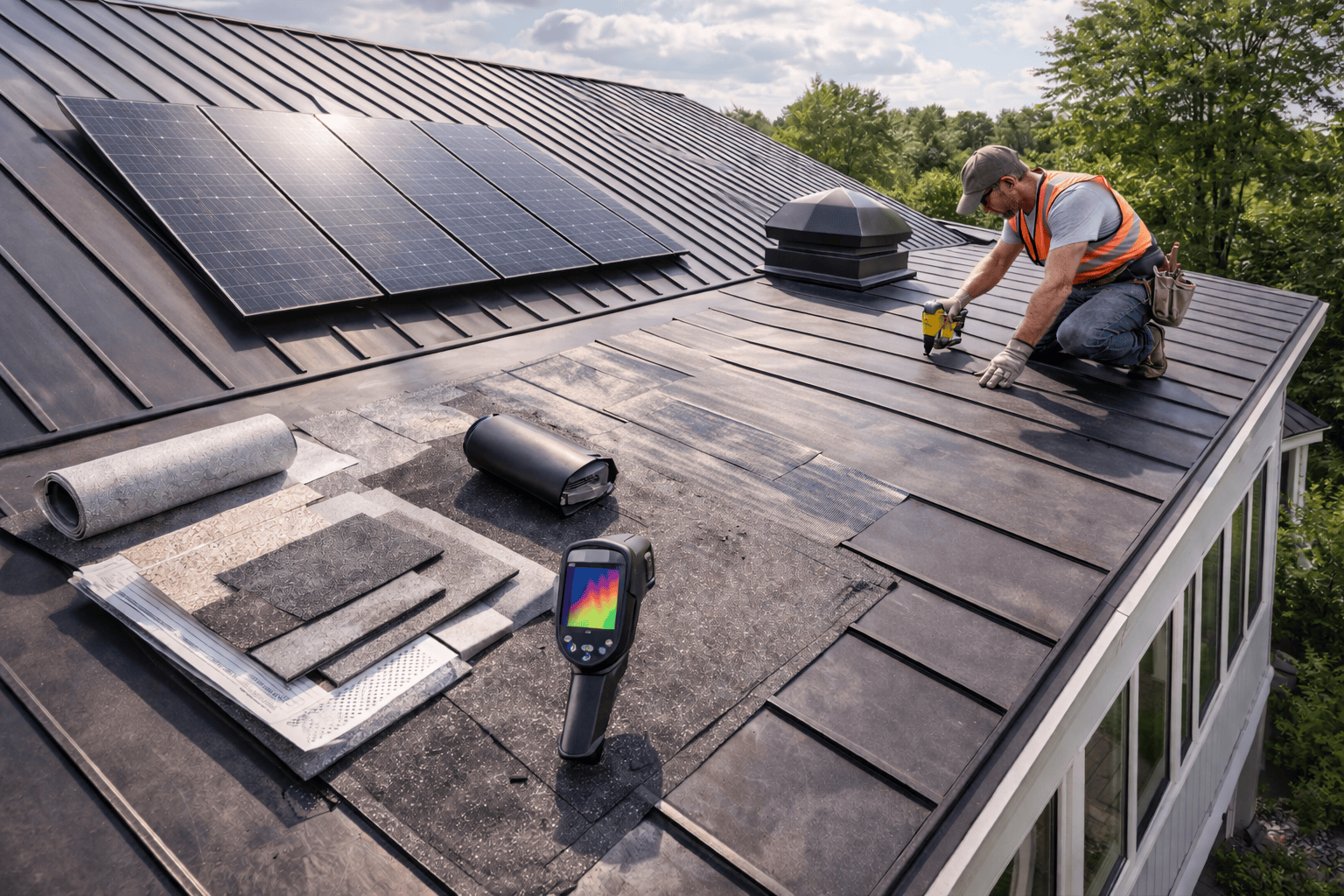
Infrared thermography detects temperature variations caused by moisture. Wet areas appear cooler than dry sections in thermal images because water retains heat differently than dry materials. This non-invasive technology identifies moisture behind walls, under roofing materials, and in insulation without causing damage.

Infrared scanning works best when temperature differentials exist—typically after sunset when roofs cool but retained moisture stays warmer. This method excels at finding hidden leaks that don’t show obvious interior damage yet.

Moisture Meters

Electronic moisture meters measure water content in building materials by detecting electrical resistance or capacitance changes. These handheld devices confirm suspected leaks found through visual inspection or infrared scanning. They provide quantifiable moisture readings that help determine leak severity and extent.

Pin-type meters penetrate material surfaces for direct readings, while pinless meters scan surfaces without causing damage. Professionals often use both types to build a complete picture of moisture distribution.

Dye Testing

For leaks that are difficult to locate, dye testing provides definitive answers. Technicians apply non-staining fluorescent dye to suspected leak areas on the roof exterior, then observe inside the building under ultraviolet light to see exactly where water enters. This method works particularly well for leaks around skylights, chimneys, or complex flashing details.

Dye testing requires experience to apply dye in the correct locations based on water stain patterns and building knowledge. Results are definitive—you can see the exact leak path.

Acoustic Leak Detection

Acoustic devices listen for sounds created by water movement through roof assemblies or pressure changes in membrane systems. This technology works particularly well for commercial roof leak detection on flat or low-slope roofs where water may pond or travel considerable distances from the entry point.

Acoustic methods help narrow search areas on large commercial roofs before using more detailed scanning techniques on specific sections.

What to Expect When Hiring a Professional Roof Leak Detection Service

Initial Roof Inspection and Assessment

Professional roof leak detection services begin with a thorough inspection of both interior and exterior areas. They’ll ask about when you notice leaks (during heavy rain, light rain, snow melt), how long problems have existed, and any repairs you’ve attempted.

The inspector examines your attic, looking for active moisture, stains, or damage patterns. They check the insulation condition and ventilation adequacy. Outside, they assess overall roof condition, age, and specific areas showing wear or damage.

Use of Advanced Technology

Quality roof leak detection and repair companies invest in modern diagnostic equipment. Depending on your situation, they may use infrared cameras, moisture meters, dye testing, or other specialized tools to pinpoint leak sources accurately.

This technology-driven approach finds problems that visual inspection alone might miss, saving time and preventing the “guess and check” repairs that waste money without solving the underlying issue.

Clear and Detailed Reports

Professional services provide comprehensive reports documenting findings. This should include photos of damaged areas, thermal images if applicable, moisture readings, and clear identification of leak sources. The report explains both immediate problems and potential future issues based on the observed roof condition.

Detailed documentation serves multiple purposes—it helps you understand the problem, provides justification for insurance claims if applicable, and creates records for future reference.

Recommendations for Repair or Maintenance

After roof leak detection identifies problems, professionals should present clear repair recommendations with cost estimates. They’ll explain whether issues require immediate attention or can be monitored, helping you prioritize repairs based on severity and budget.

Honest contractors distinguish between necessary repairs and optional improvements, giving you information to make informed decisions rather than pressuring you into unnecessary work.

roof leak detection​

Commercial Roof Leak Detection Services vs. Residential Services

Scale and Complexity Differences

Commercial roof leak detection differs significantly from residential work. Commercial buildings typically feature flat or low-slope roofs with membrane systems (TPO, EPDM, PVC) rather than residential shingle roofs. These roofs cover much larger areas where leaks can travel far from entry points before causing interior damage.

Commercial detection often requires specialized equipment and techniques suited to membrane roofing systems. Infrared scanning becomes particularly valuable on large commercial roofs where visual inspection alone would be time-prohibitive and less accurate.

Business Disruption Considerations

Commercial roof leak detection services work around business operations, often conducting inspections during non-business hours to avoid disruption. They understand the urgency when leaks threaten inventory, equipment, or business operations.

Response time and repair scheduling flexibility matter more in commercial contexts where every hour of operation counts. Many commercial leak detection services offer emergency response for active leaks causing immediate damage.

Documentation Requirements

Commercial properties require more extensive documentation for insurance, property management, and regulatory compliance. Commercial roof leak detection services provide detailed reports that satisfy these requirements, including condition assessments, remaining service life estimates, and maintenance recommendations.

Warranty and Maintenance Programs

Commercial roof leak detection often connects to ongoing maintenance programs and warranty compliance. Many commercial roofing warranties require regular inspections and documented maintenance. Professional detection services help building owners maintain warranty coverage while preventing expensive failures.

Making the Right Choice for Roof Leak Detection

Don’t wait for small leaks to become major problems. If you notice any signs of roof leaks—stains, mold, visible damage, or unexplained energy costs—schedule professional roof leak detection promptly.

Early detection and repair protect your property investment and prevent the stress and expense of dealing with extensive water damage. The cost of finding and fixing a leak today is always less than the cost of repairing the damage tomorrow.

 
Categories
Roofing

Full Roof Replacement: What Materials Are Best for Durability and Style?

Your roof protects everything beneath it—your family, belongings, and the structure of your home itself. When the time comes for a full roof replacement, the materials you choose will affect your home for decades. Some options last 20 years, while others can protect your house for 50 years or more. The right choice balances durability, appearance, and budget to provide long-term value.

Choosing the right materials for a full roof replacement affects both the longevity and aesthetic of your home in ways that extend far beyond installation day. A poor material choice can lead to premature failure, costly repairs, and decreased property value. Conversely, selecting appropriate materials enhances curb appeal, protects your investment, and provides peace of mind for years to come.

Key Factors to Consider When Choosing Roof Materials

Durability and Longevity

The lifespan of roofing materials varies dramatically. Asphalt shingles typically last 15-30 years, while metal roofing can protect your home for 40-70 years. Slate and clay tiles often exceed 50-100 years with proper maintenance. Consider your local climate when evaluating durability—materials that perform well in mild conditions may fail quickly under severe weather, high winds, or extreme temperatures.

Maintenance requirements also factor into longevity. Some materials need regular inspection and upkeep to reach their expected lifespan, while others require minimal attention. If you prefer low-maintenance solutions, this consideration weighs heavily in material selection.

Aesthetic Appeal and Style

Your roof covers roughly 40% of your home’s visible exterior, making material and color choices significant for curb appeal. Some materials suit specific architectural styles better than others. Traditional homes often look best with classic materials like asphalt shingles designed to mimic historical roofing, while modern homes might benefit from sleek metal roofing or contemporary profiles.

Color selection affects both appearance and energy efficiency. Dark colors absorb heat, which can increase cooling costs in warm climates. Light colors reflect heat, keeping homes cooler. Beyond function, color should complement your home’s siding, trim, and overall palette.

Cost and Budget Considerations

Full roof replacement cost varies widely by material—from around $5,500 for basic asphalt shingles to $40,000 or more for slate or premium metal roofing. However, focusing only on initial cost misses the bigger picture. Calculate the cost per year of expected service life for accurate comparison. A $12,000 asphalt roof lasting 20 years costs $600 annually, while a $30,000 metal roof lasting 50 years costs $600 annually—similar despite different upfront prices.

Additional cost factors include insurance premiums (some materials qualify for discounts), energy costs (reflective materials reduce cooling expenses), and maintenance costs over the roof’s lifetime.

full roof replacement

Best Roofing Materials for Durability and Style

Asphalt Shingles

Asphalt shingles dominate the residential market, covering approximately 80% of American homes. Their popularity stems from affordability, acceptable performance, and wide availability. Three-tab shingles represent the most basic option, lasting 15-20 years. Architectural shingles offer improved aesthetics and 25-30 year lifespans. Luxury shingles can last 30-50 years and closely replicate slate or wood shake appearances.

Asphalt shingles work well in most climates and come in virtually unlimited colors. They’re the most affordable option for full roof replacement, typically costing $3.50-$8.50 per square foot installed. However, they don’t last as long as premium materials and can be vulnerable to high winds and hail.

Metal Roofing

Metal roofing has surged in popularity due to exceptional durability and improved aesthetics. Standing seam metal creates clean, contemporary lines with lifespans of 40-70 years or more. Metal shingles replicate traditional materials while providing metal’s durability advantages.

Metal handles extreme weather exceptionally well—high winds, heavy snow, hail, and fire. It sheds snow quickly, preventing ice dam formation. Modern coatings prevent corrosion, and reflective properties can reduce cooling costs by 10-25%.

Metal roofing costs $8-$14 per square foot for steel or aluminum, and $15-$25+ for premium metals like copper. While more expensive upfront than asphalt, the longevity often makes metal more cost-effective over time.

Clay and Concrete Tiles

Clay and concrete tiles offer distinctive Mediterranean, Spanish, or Southwestern aesthetics. Clay tiles are traditional, beautiful, and extremely durable—often lasting 50-100 years. Concrete tiles provide a similar appearance at a lower cost with 40-50 year lifespans.

Both materials are heavy, requiring structural support verification before installation. They excel in hot, dry climates and resist fire, rot, and insect damage. However, individual tiles can crack from impact or freeze-thaw cycles in cold climates.

Costs range from $10-$18 per square foot installed, making tiles a premium option. The longevity and distinctive appearance justify the investment in appropriate architectural styles.

Slate Roofing

Slate represents the premium end of roofing materials. Natural stone slate can last 75-200 years, making it potentially the last roof your home will ever need. Slate is fireproof, rot-proof, and handles all weather conditions excellently.

The main drawbacks are cost ($15-$30+ per square foot) and weight. Like tile, slate requires structural support. Installation requires specialized expertise, and repairs can be expensive if individual slats crack.

Slate suits high-end homes and historical properties where longevity and authentic appearance justify the investment.

Synthetic Roofing Materials

Modern synthetic materials (composite, rubber, and plastic) replicate the appearance of slate, wood shake, or tile while weighing less and costing less. Quality synthetic products last 30-50 years and resist impact, fire, and weather well.

Synthetic materials cost $8-$14 per square foot—less than the natural materials they mimic but more than asphalt. They offer ga ood compromise for homeowners wanting premium aesthetics without premium costs or structural concerns.

Full Roof Replacement Cost Breakdown

Average Cost by Material

Understanding typical costs helps with budget planning:

  • Asphalt shingles: $5,500-$12,000 (average home)
  • Architectural asphalt: $9,000-$16,000
  • Metal roofing: $16,000-$28,000
  • Clay/concrete tiles: $20,000-$36,000
  • Slate: $30,000-$60,000+
  • Synthetic materials: $16,000-$28,000

These estimates assume a typical 2,000 square foot roof with moderate complexity.

Factors Affecting Cost

Several factors influence the final full roof replacement cost beyond material choice. Roof size and pitch (steeper roofs cost more to work on) significantly impact labor costs. Complex designs with multiple valleys, dormers, or skylights increase both material waste and labor time.

Removal and disposal of old roofing adds $1-$5 per square foot. Structural repairs discovered during removal increase costs. Geographic location affects both material and labor prices—coastal areas and major cities typically cost more than rural regions.

Permits, which most jurisdictions require for full roof replacement, add $200-$500. Quality underlayment, ice and water shield in vulnerable areas, and proper ventilation systems add to material costs but protect your investment.

full roof replacement

What to Expect During a Full Roof Replacement

Pre-Installation Steps

Understanding what to expect during a full roof replacement helps you prepare. The contractor should provide a detailed written estimate specifying materials, scope of work, timeline, and payment schedule. They’ll obtain necessary permits and order materials.

Before work begins, protect landscaping and outdoor items near the house. Move vehicles from the driveway. Cover items in your attic, as vibration can knock things around. The contractor should protect your property with tarps and ground protection.

Installation Process

Most residential full roof replacement projects take 1-3 days for asphalt shingles, or up to a week for more complex materials or larger homes. The process creates significant noise from tearing off old materials and installing nail guns for new roofing.

Crews typically remove old roofing completely (partial vs full roof replacement depends on the current roof condition and local codes). They inspect the roof deck for damage, making repairs as needed. New underlayment goes down, followed by drip edge, valley flashing, and ice and water shield in vulnerable areas. Finally, they install the new roofing material, ridge caps, and ventilation components.

Post-Installation Clean-Up and Inspection

Professional contractors thoroughly clean up, using magnetic tools to collect nails and debris. They should haul away all old materials and leave your property cleaner than they found it.

Final inspection verifies proper installation and compliance with building codes. The contractor should walk you through the completed work, explaining warranty coverage and maintenance recommendations. Many offer workmanship warranties of 5-10 years in addition to manufacturer material warranties.

Making Your Full Roof Replacement Decision

Selecting the right materials and contractor for a full roof replacement requires balancing multiple factors. Durability, aesthetics, and cost all play roles in the decision, with your specific climate, architectural style, and budget determining which materials make the most sense.

While full roof replacement represents a significant investment—often $10,000-$30,000 or more—choosing durable and aesthetically pleasing materials provides long-term value and protection. A quality roof installed properly can last decades, protecting your home and enhancing its value. Take time to research materials, get multiple quotes from reputable contractors, and select options that match your home’s needs and your long-term plans.