Free estimates | 704-396-8383

Most homeowners focus on visible roofing components like shingles or metal panels when considering roof durability. However, what you can't see often matters more than what you can. Proper roof ventilation works silently behind the scenes, protecting your entire roofing system from damage that significantly shortens its lifespan.

Without adequate ventilation, even premium roofing materials deteriorate prematurely, costing you thousands in early replacement expenses. Understanding how roof ventilation installation affects your roof's longevity helps you make informed decisions that protect your investment for decades.

The Role of Roof Ventilation Installation in Roof Longevity

A properly ventilated roof allows continuous air circulation through the attic space, creating conditions that preserve roofing materials and structural components.

Preventing Moisture Damage

Moisture represents the greatest enemy of roofing systems. Daily activities like cooking, showering, and laundry generate substantial water vapor that rises into attic spaces. Without proper roof ventilation installation, this moisture becomes trapped, condensing on cold surfaces during the winter months.

This condensation soaks insulation, reducing its effectiveness and promoting mold growth. It rots wooden roof decking, rafters, and trusses, compromising structural integrity. Professional roof ventilation services create airflow that carries moisture-laden air out of the attic before it can cause damage.

Reducing Heat Buildup

Summer sun can heat attic temperatures to 150°F or higher without adequate ventilation. This extreme heat radiates down into living spaces, forcing air conditioning systems to work harder and increasing energy costs.

More damaging, the intense heat accelerates shingle aging by breaking down asphalt compounds and causing premature curling, cracking, and granule loss. Quality roof ventilation installation dramatically reduces attic temperatures, extending shingle life and improving home comfort.

Avoiding Ice Dams in Cold Climates

Ice dams form when heat escaping through poorly ventilated roofs melts snow on upper roof sections. The meltwater flows down to colder eaves where it refreezes, creating ice barriers. Water backs up behind these dams, seeping under shingles and into homes.

Professional roof ventilation installation services help maintain consistent roof temperatures that prevent this melting-refreezing cycle, protecting against expensive ice dam damage.

Enhancing Overall Structural Health

Beyond protecting roofing materials, proper ventilation preserves your home's entire structure. It prevents the wood deterioration that weakens load-bearing components. It maintains insulation performance, keeping energy costs reasonable.

It creates conditions that discourage pest infestations in attic spaces. These benefits compound over time, with properly ventilated roofs often lasting decades longer than poorly ventilated counterparts.
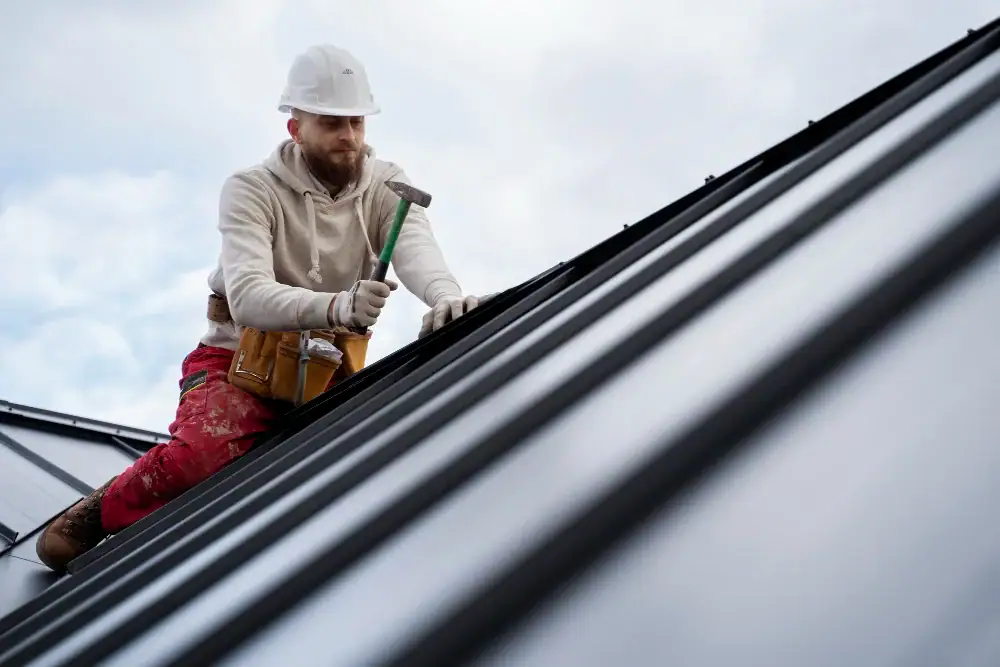
roof ventilation installation​

What to Expect From Professional Roof Ventilation Services

Hiring experienced professionals for roof ventilation installation ensures optimal results that DIY approaches rarely achieve.

Inspection and Assessment

Professional roof ventilation service begins with a thorough assessment of your current situation. Contractors inspect existing ventilation components, measure attic square footage, and evaluate insulation conditions. They check for moisture damage, inadequate airflow patterns, and code violations. They consider your roof design, local climate, and specific challenges your home presents. This comprehensive evaluation identifies exactly what ventilation improvements your roof needs.

Customized Ventilation Plan

One-size-fits-all approaches fail in ventilation. Professionals develop customized plans based on your roof's specific requirements. They calculate the proper balance between intake and exhaust ventilation according to building codes and manufacturer specifications. They determine optimal vent placement considering roof design, existing features, and aesthetic concerns. This planning ensures your roof ventilation installation delivers maximum effectiveness.

Professional Installation Process

Experienced contractors perform roof ventilation installation using techniques that protect your roof's integrity. They cut openings precisely, install vents securely, and seal penetrations completely to prevent leaks. They integrate new ventilation with existing systems seamlessly. They use proper materials rated for your climate and roofing type. Their expertise prevents the mistakes that plague amateur installations.

Safety and Code Compliance

Working on roofs involves significant safety risks. Professional contractors use proper fall protection equipment and follow safety protocols that protect workers and your property. They understand local building codes governing ventilation requirements and ensure installations meet or exceed these standards. Code-compliant installation protects your home's value and prevents problems during future property sales or inspections.

roof ventilation installation​

Roof Ventilation Installation vs. DIY: Why Professional Service Matters

While some home improvement projects suit DIY approaches, roof ventilation installation demands professional expertise for several critical reasons.

Correct Placement and Vent Sizing

Improper vent placement creates dead air zones where moisture accumulates despite having ventilation installed. Undersized vents don't move enough air to protect your roof. Oversized exhaust vents without adequate intake create negative pressure that can pull conditioned air from living spaces. Professionals understand the complex calculations determining proper vent sizing and placement. They consider factors like:

  • Total attic square footage
  • Roof pitch and configuration
  • Existing ventilation components
  • Local climate conditions
  • Building code requirements
  • Manufacturer specifications
  • Balanced intake-to-exhaust ratios

Getting these calculations wrong wastes money on ineffective ventilation that doesn't protect your roof.

Preventing Roof Damage During Installation

Cutting holes in your roof seems straightforward until you damage rafters, sever electrical wiring, or create leaks from improper sealing. Professionals performing roof ventilation installation know how to identify safe cutting locations, avoid hidden obstacles, and seal penetrations correctly. They carry insurance covering any accidental damage. DIY mistakes often cost more to repair than professional installation would have cost initially.

Ensuring Balanced Intake and Exhaust

Effective ventilation requires balanced intake and exhaust. Most homes need soffit vents providing intake at eaves and ridge or roof vents creating exhaust at the peak. Improper balance renders ventilation ineffective or even counterproductive. Professional roof ventilation services measure and verify proper airflow patterns, ensuring the system functions as designed.

How Proper Ventilation Protects Your Roofing Investment
Understanding the connection between ventilation and roof longevity helps you appreciate why this often-overlooked component matters so much.

Extended Shingle Life

Manufacturers design asphalt shingles for specific temperature ranges. Excessive attic heat shortens their lifespan significantly. Studies show properly ventilated roofs extend shingle life by 20-40% compared to poorly ventilated equivalents. This means a 25-year rated roof might last 30-35 years with proper installation versus only 15-20 years without it. The savings from extended shingle life typically exceed ventilation installation costs several times over.

Lower Energy Costs

Reduced attic temperatures from effective ventilation decreases cooling demands during the summer months. Many homeowners see 10-15% reductions in cooling costs after professional roof ventilation installation services upgrade their systems. These savings continue year after year, providing ongoing return on your ventilation investment while improving home comfort.

Preserved Warranty Coverage

Most roofing material manufacturers require adequate ventilation to maintain warranty coverage. Installing premium shingles without proper ventilation voids warranties, leaving you unprotected if premature failures occur. Professional roof ventilation installation ensures your roof meets manufacturer requirements, protecting your warranty and your investment.

Increased Home Value

Properly ventilated roofs attract informed buyers who understand maintenance implications. Home inspections noting inadequate ventilation raise red flags that can derail sales or force price reductions. Investing in quality roof ventilation service protects and potentially increases your home's market value.

Making the Right Choice

Roof ventilation installation represents one of the smartest investments you can make in your home's long-term health. The relatively modest cost of professional installation services pays dividends through extended roof life, lower energy costs, prevented moisture damage, and maintained warranty coverage.

Don't treat ventilation as an afterthought or attempt DIY installation that might cause more problems than it solves. Professional contractors bring expertise that ensures your ventilation system protects your roof effectively. They understand the complex interplay between intake and exhaust, proper sizing calculations, code compliance, and installation techniques that prevent leaks.


Categories
Roofing

Roof Ventilation Installation and Its Impact on Roof Longevity

Most homeowners focus on visible roofing components like shingles or metal panels when considering roof durability. However, what you can’t see often matters more than what you can. Proper roof ventilation works silently behind the scenes, protecting your entire roofing system from damage that significantly shortens its lifespan.

Without adequate ventilation, even premium roofing materials deteriorate prematurely, costing you thousands in early replacement expenses. Understanding how roof ventilation installation affects your roof’s longevity helps you make informed decisions that protect your investment for decades.

The Role of Roof Ventilation Installation in Roof Longevity

A properly ventilated roof allows continuous air circulation through the attic space, creating conditions that preserve roofing materials and structural components.

Preventing Moisture Damage

Moisture represents the greatest enemy of roofing systems. Daily activities like cooking, showering, and laundry generate substantial water vapor that rises into attic spaces. Without proper roof ventilation installation, this moisture becomes trapped, condensing on cold surfaces during the winter months.

This condensation soaks insulation, reducing its effectiveness and promoting mold growth. It rots wooden roof decking, rafters, and trusses, compromising structural integrity. Professional roof ventilation services create airflow that carries moisture-laden air out of the attic before it can cause damage.

Reducing Heat Buildup

Summer sun can heat attic temperatures to 150°F or higher without adequate ventilation. This extreme heat radiates down into living spaces, forcing air conditioning systems to work harder and increasing energy costs.

More damaging, the intense heat accelerates shingle aging by breaking down asphalt compounds and causing premature curling, cracking, and granule loss. Quality roof ventilation installation dramatically reduces attic temperatures, extending shingle life and improving home comfort.

Avoiding Ice Dams in Cold Climates

Ice dams form when heat escaping through poorly ventilated roofs melts snow on upper roof sections. The meltwater flows down to colder eaves where it refreezes, creating ice barriers. Water backs up behind these dams, seeping under shingles and into homes.

Professional roof ventilation installation services help maintain consistent roof temperatures that prevent this melting-refreezing cycle, protecting against expensive ice dam damage.

Enhancing Overall Structural Health

Beyond protecting roofing materials, proper ventilation preserves your home’s entire structure. It prevents the wood deterioration that weakens load-bearing components. It maintains insulation performance, keeping energy costs reasonable.

It creates conditions that discourage pest infestations in attic spaces. These benefits compound over time, with properly ventilated roofs often lasting decades longer than poorly ventilated counterparts.

roof ventilation installation​

What to Expect From Professional Roof Ventilation Services

Hiring experienced professionals for roof ventilation installation ensures optimal results that DIY approaches rarely achieve.

Inspection and Assessment

Professional roof ventilation service begins with a thorough assessment of your current situation. Contractors inspect existing ventilation components, measure attic square footage, and evaluate insulation conditions. They check for moisture damage, inadequate airflow patterns, and code violations. They consider your roof design, local climate, and specific challenges your home presents. This comprehensive evaluation identifies exactly what ventilation improvements your roof needs.

Customized Ventilation Plan

One-size-fits-all approaches fail in ventilation. Professionals develop customized plans based on your roof’s specific requirements. They calculate the proper balance between intake and exhaust ventilation according to building codes and manufacturer specifications. They determine optimal vent placement considering roof design, existing features, and aesthetic concerns. This planning ensures your roof ventilation installation delivers maximum effectiveness.

Professional Installation Process

Experienced contractors perform roof ventilation installation using techniques that protect your roof’s integrity. They cut openings precisely, install vents securely, and seal penetrations completely to prevent leaks. They integrate new ventilation with existing systems seamlessly. They use proper materials rated for your climate and roofing type. Their expertise prevents the mistakes that plague amateur installations.

Safety and Code Compliance

Working on roofs involves significant safety risks. Professional contractors use proper fall protection equipment and follow safety protocols that protect workers and your property. They understand local building codes governing ventilation requirements and ensure installations meet or exceed these standards. Code-compliant installation protects your home’s value and prevents problems during future property sales or inspections.
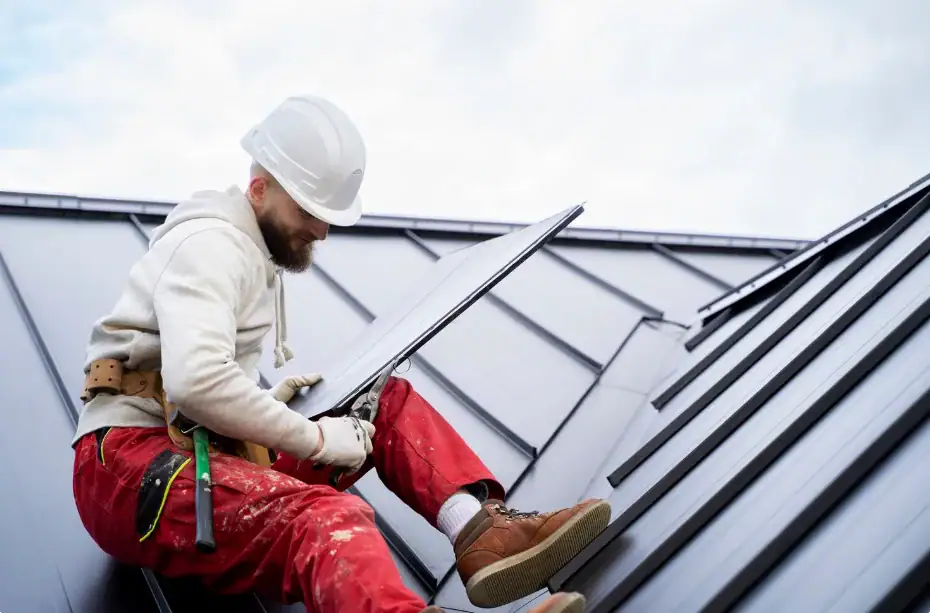
roof ventilation installation​

Roof Ventilation Installation vs. DIY: Why Professional Service Matters

While some home improvement projects suit DIY approaches, roof ventilation installation demands professional expertise for several critical reasons.

Correct Placement and Vent Sizing

Improper vent placement creates dead air zones where moisture accumulates despite having ventilation installed. Undersized vents don’t move enough air to protect your roof. Oversized exhaust vents without adequate intake create negative pressure that can pull conditioned air from living spaces. Professionals understand the complex calculations determining proper vent sizing and placement. They consider factors like:

  • Total attic square footage
  • Roof pitch and configuration
  • Existing ventilation components
  • Local climate conditions
  • Building code requirements
  • Manufacturer specifications
  • Balanced intake-to-exhaust ratios

Getting these calculations wrong wastes money on ineffective ventilation that doesn’t protect your roof.

Preventing Roof Damage During Installation

Cutting holes in your roof seems straightforward until you damage rafters, sever electrical wiring, or create leaks from improper sealing. Professionals performing roof ventilation installation know how to identify safe cutting locations, avoid hidden obstacles, and seal penetrations correctly. They carry insurance covering any accidental damage. DIY mistakes often cost more to repair than professional installation would have cost initially.

Ensuring Balanced Intake and Exhaust

Effective ventilation requires balanced intake and exhaust. Most homes need soffit vents providing intake at eaves and ridge or roof vents creating exhaust at the peak. Improper balance renders ventilation ineffective or even counterproductive. Professional roof ventilation services measure and verify proper airflow patterns, ensuring the system functions as designed.

How Proper Ventilation Protects Your Roofing Investment
Understanding the connection between ventilation and roof longevity helps you appreciate why this often-overlooked component matters so much.

Extended Shingle Life

Manufacturers design asphalt shingles for specific temperature ranges. Excessive attic heat shortens their lifespan significantly. Studies show properly ventilated roofs extend shingle life by 20-40% compared to poorly ventilated equivalents. This means a 25-year rated roof might last 30-35 years with proper installation versus only 15-20 years without it. The savings from extended shingle life typically exceed ventilation installation costs several times over.

Lower Energy Costs

Reduced attic temperatures from effective ventilation decreases cooling demands during the summer months. Many homeowners see 10-15% reductions in cooling costs after professional roof ventilation installation services upgrade their systems. These savings continue year after year, providing ongoing return on your ventilation investment while improving home comfort.

Preserved Warranty Coverage

Most roofing material manufacturers require adequate ventilation to maintain warranty coverage. Installing premium shingles without proper ventilation voids warranties, leaving you unprotected if premature failures occur. Professional roof ventilation installation ensures your roof meets manufacturer requirements, protecting your warranty and your investment.

Increased Home Value

Properly ventilated roofs attract informed buyers who understand maintenance implications. Home inspections noting inadequate ventilation raise red flags that can derail sales or force price reductions. Investing in quality roof ventilation service protects and potentially increases your home’s market value.

Making the Right Choice

Roof ventilation installation represents one of the smartest investments you can make in your home’s long-term health. The relatively modest cost of professional installation services pays dividends through extended roof life, lower energy costs, prevented moisture damage, and maintained warranty coverage.

Don’t treat ventilation as an afterthought or attempt DIY installation that might cause more problems than it solves. Professional contractors bring expertise that ensures your ventilation system protects your roof effectively. They understand the complex interplay between intake and exhaust, proper sizing calculations, code compliance, and installation techniques that prevent leaks.

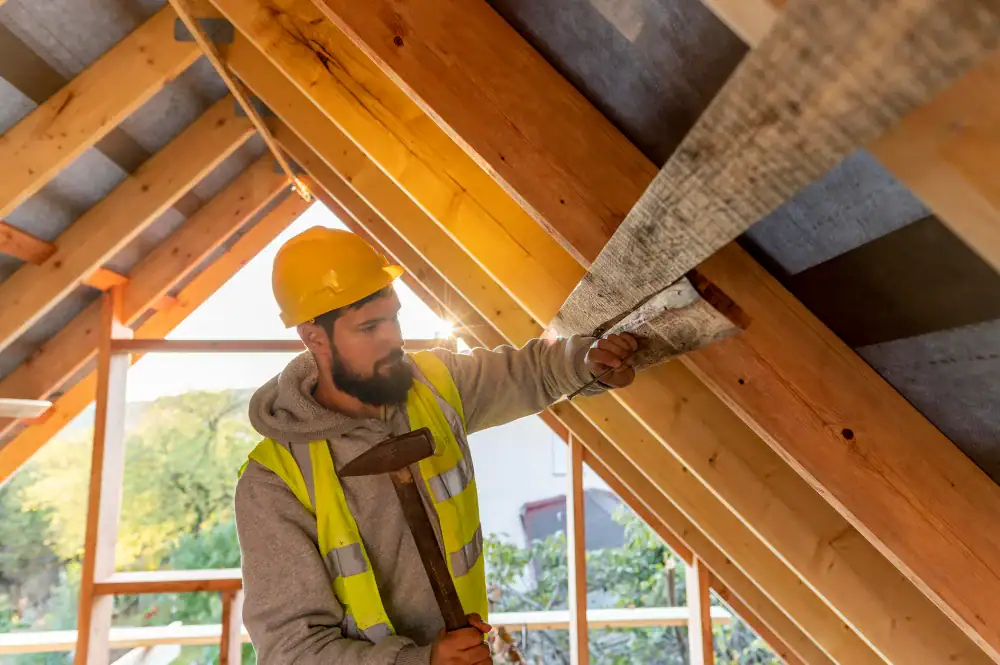


Categories
Roofing

Trusted Roofing Contractors: Key Qualities to Look for Before Hiring

Your roof stands as your home’s first line of defense against the weather, protecting everything you value inside. When the time comes for repairs, replacement, or new installation, the contractor you choose determines whether your roofing project succeeds or becomes a costly nightmare.

Trusted roofing contractors deliver quality work, stand behind their promises, and treat your home with the respect it deserves. Unfortunately, the roofing industry also attracts unscrupulous operators who take your money and disappear, leaving you with substandard work and no recourse.

Understanding the qualities that separate reliable professionals from fly-by-night operators helps you make informed decisions that protect your home and investment. This guide identifies the key characteristics of trusted roofing contractors so you can hire with confidence.

Why Hiring Trusted Roofing Contractors Matters

The consequences of choosing the wrong contractor extend far beyond temporary inconvenience. Poor roofing work leads to leaks that damage ceilings, walls, insulation, and personal belongings. Improper installation voids manufacturer warranties, leaving you responsible for premature material failures.

Contractors without proper insurance expose you to liability if workers get injured on your property. Shoddy work often requires complete replacement years before necessary, forcing you to pay twice for the same roof.

Conversely, trusted roofing professionals deliver work that performs reliably for decades. They use quality materials, follow proper installation techniques, obtain necessary permits, and stand behind their work. They protect your property during installation and leave your home cleaner than they found it. These contractors become partners in maintaining one of your home’s most critical components.

Essential Qualities of Trusted Roofing Contractors

Certain characteristics consistently distinguish reputable professionals from contractors you should avoid.

Proper Licensing and Insurance

Trusted roofing contractors maintain current licenses as required by state and local regulations. They carry comprehensive liability insurance and workers’ compensation coverage. Before hiring any contractor, verify their license status with your state licensing board.

Request copies of insurance certificates and confirm coverage directly with insurance providers—never accept a contractor’s word alone. These credentials protect you from financial liability and demonstrate the contractor’s commitment to operating legally and professionally.

Proven Experience and Expertise

Experience matters tremendously in roofing. Trusted roofing contractors have years of successful projects demonstrating their competence. They understand different roofing materials, proper installation techniques for various roof designs, and how to handle complications that arise during projects.

Ask potential contractors how long they’ve been in business, how many projects similar to yours they’ve completed, and whether they specialize in particular roofing types. Request references from recent projects and actually contact those homeowners to learn about their experiences.

Strong Local Reputation

A trusted roofing company builds a reputation through years of quality work and satisfied customers. Check online reviews on multiple platforms—Google, Better Business Bureau, Angie’s List, and local review sites.

Look for patterns in feedback rather than focusing on single reviews. Contact your local building department to ask if they’ve had complaints about contractors you’re considering. Strong local presence indicates contractors who plan to remain in business and protect their reputations.

Clear, Transparent Communication

Trusted roofing professionals communicate clearly from initial contact through project completion. They answer questions thoroughly, explain technical concepts in understandable terms, and keep you informed throughout the project.

They provide detailed written proposals breaking down costs, materials, timelines, and exactly what work they’ll perform. They discuss potential complications honestly rather than making unrealistic promises. Poor communication usually signals bigger problems with contractors’ professionalism and reliability.

Quality Materials and Professional Standards

Reputable contractors use quality materials from recognized manufacturers and follow industry best practices. They don’t cut corners on underlayment, flashing, or ventilation components that homeowners never see but that determine roof longevity.

Trusted roofing contractors stay current with building codes, manufacturer specifications, and evolving installation techniques. They invest in proper tools and equipment rather than improvising with inadequate substitutes.

trusted roofing contractors​

What Trusted Roofing Professionals Provide During an Estimate

The estimation process reveals much about contractors’ professionalism and reliability.

Thorough Roof Inspection

Trusted roofing contractors conduct comprehensive inspections before providing estimates. They access the roof itself rather than estimating from the ground. They check for damage, measure accurately, note problem areas, and photograph conditions. They inspect attic spaces for signs of leaks, inadequate ventilation, or structural issues. This thoroughness ensures accurate estimates and identifies problems that need addressing.

Detailed Written Estimate

Professional estimates include specific information about materials (brands, grades, colors), labor costs, disposal fees, permit costs, and payment schedules. They specify start and completion dates, warranty terms, and who handles cleanup. Trusted roofing contractors provide this detail in writing so you can compare proposals accurately and understand exactly what you’re paying for.

Recommendations Based on Needs, Not Sales Pressure

Quality contractors assess your roof’s actual condition and recommend appropriate solutions. They explain why they suggest specific materials or approaches. They present options at different price points without pushing you toward the most expensive choice. They’re comfortable if you want time to consider proposals or get additional estimates. High-pressure sales tactics signal that contractors are more interested in getting your money than providing appropriate solutions.

Key Services Offered by a Trusted Roofing Company

Comprehensive roofing companies provide multiple services that address various needs.

Roof Repairs and Maintenance

Trusted roofing professionals handle repairs of all sizes, from replacing a few damaged shingles to fixing major leak issues. They offer maintenance services, including inspections, cleaning, minor repairs, and preventive treatments that extend roof life. Regular maintenance by trusted roofing contractors prevents small problems from becoming expensive disasters.

Full Roof Replacement

When repairs no longer make economic sense, trusted roofing contractors provide complete replacement services. They remove old materials properly, inspect and repair decking, install quality underlayment, and apply new roofing materials according to manufacturer specifications and building codes. They handle all aspects, including permits, inspections, and cleanup.

Emergency Roofing Services

Storms don’t wait for business hours. A trusted roofing company offers emergency services for situations requiring immediate attention—tarping damaged areas, making temporary repairs, and scheduling permanent fixes promptly. Their emergency response prevents further damage while you arrange comprehensive repairs.

Roofing Material Expertise

Different roofing materials suit different needs, budgets, and architectural styles. Trusted roofing contractors understand the characteristics, benefits, and limitations of:

  • Asphalt shingles in various grades and styles
  • Metal roofing systems, including standing seam and metal shingles
  • Tile roofing in clay or concrete
  • Slate for historic or luxury applications
  • Flat roof systems, including TPO, EPDM, and modified bitumen
  • Specialty materials for unique architectural requirements

This expertise helps you choose materials that match your needs, budget, and home’s character.

trusted roofing contractors​

Benefits of Choosing Trusted Roofing Contractors

Working with reputable professionals provides advantages that justify any premium over questionable competitors.

Long-Term Performance and Durability

Proper installation by trusted roofing contractors ensures your roof performs as designed throughout its expected lifespan. Quality workmanship prevents premature failures, protects manufacturer warranties, and eliminates the expense of redoing poor work. The peace of mind knowing your roof was installed correctly has real value that extends for decades.

Comprehensive Warranties

Trusted roofing professionals stand behind their work with substantial warranties covering both materials and workmanship. They remain in business to honor those warranties if issues arise. They work with manufacturers whose product warranties require professional installation. These protections safeguard your investment long after project completion.

Professional Project Management

Experienced contractors manage projects efficiently, minimizing disruption to your life. They coordinate material delivery, schedule workers appropriately, communicate progress regularly, and handle unexpected complications professionally. They complete projects on schedule and within budget. This professionalism reduces stress and ensures smooth project execution.

Building Code Compliance

Trusted roofing contractors understand and follow local building codes. They obtain necessary permits and arrange required inspections. This compliance protects you from fines, ensures work quality, and prevents complications when selling your home. Code violations from unpermitted work can force expensive corrections and derail property sales.

Making the Smart Choice

Finding trusted roofing contractors requires research, but the effort protects your home and investment. Verify credentials thoroughly, check references carefully, and insist on detailed written contracts. Trust your instincts—if something feels wrong about a contractor, it probably is. Good contractors understand your caution and welcome your due diligence.

The qualities that define trusted roofing—proper licensing, proven experience, strong reputation, clear communication, quality standards, and comprehensive warranties—separate professionals from pretenders. These contractors view your project as an opportunity to demonstrate their expertise and build lasting customer relationships, not just another quick job.

 
Categories
Roofing

Metal Roofing Experts: What to Expect During an Installation or Replacement

Metal roofing has become increasingly popular among homeowners and commercial property owners who want durability, energy efficiency, and a modern aesthetic. Unlike traditional asphalt shingles that need replacement every 15-20 years, metal roofs can last 50 years or more with minimal maintenance.

They reflect solar heat, reducing cooling costs during summer months. They resist fire, wind, and impact damage better than most alternatives. However, achieving these benefits depends entirely on proper installation by qualified metal roofing experts who understand the unique requirements of metal roofing systems.

Initial Consultation and Roof Assessment

The process begins long before the first panel goes up. Professional metal roofing experts start with thorough planning and assessment.

On-Site Inspection

Qualified metal roof experts conduct detailed inspections of your existing roof structure. They check for signs of water damage, sagging, rotted decking, or structural problems that need addressing before installation.

They measure roof dimensions precisely, noting valleys, hips, ridges, and penetrations like chimneys or skylights. This inspection reveals whether your roof deck can support metal roofing or needs reinforcement. Experienced experts also assess ventilation systems and identify any modifications needed for optimal performance.

Material and Style Recommendations

Metal roofing comes in various materials, profiles, and finishes. Standing seam, corrugated panels, metal shingles, and tiles each offer different benefits and aesthetics. A metal roofing expert explains these options based on your building’s architecture, local climate, and budget.

They help you choose between steel, aluminum, copper, or zinc materials. They show you color samples and discuss how different finishes affect energy efficiency and maintenance requirements. Quality professionals provide honest recommendations rather than pushing the most expensive options.

Transparent Estimates and Project Planning

Professional metal roofing experts provide detailed written estimates breaking down material costs, labor, disposal fees, and any additional work needed. They explain the timeline, including how the weather might affect scheduling.

They discuss warranties covering both materials and workmanship. Reputable contractors answer all your questions and ensure you understand exactly what the project involves before signing any contracts.

Metal Roofing Experts

Preparing for Expert Metal Roof Installation or Replacement

Proper preparation separates professional installations from amateur work that leads to problems down the road.

Removing the Old Roof (If Needed)

Some metal roofing can be installed over existing shingles, but expert metal roof installation often involves a complete tear-off for the best results. Metal roofing experts carefully remove old roofing materials, inspect the deck underneath, and dispose of debris properly. This clean-slate approach ensures no hidden damage compromises your new roof’s performance.

Decking and Underlayment Preparation

Once old materials are removed, experts inspect every inch of the roof decking. They replace damaged or rotted sections with new plywood or OSB. They ensure the deck is smooth, level, and properly fastened.

They then install high-quality underlayment—typically synthetic materials that provide superior water resistance compared to traditional felt paper. This underlayment serves as a critical backup barrier against moisture.

Safety and Property Protection Measures

Professional metal roof experts take extensive safety precautions. They use proper fall protection equipment, secure work areas, and follow OSHA guidelines. They protect your property by covering landscaping, moving vehicles away from the work zone, and placing tarps to catch debris. They use magnetic tools to collect stray fasteners that could damage tires or injure people. These precautions demonstrate the professionalism that distinguishes true experts from careless contractors.

What Happens During Metal Roof Installation

The actual installation requires specialized skills and attention to detail that only experienced metal roofing experts possess.

Panel Fabrication and Cutting

They often fabricate panels on-site using specialized equipment that ensures precise lengths for your specific roof dimensions. This custom fabrication minimizes seams and reduces potential leak points. They cut panels carefully using proper tools that don’t compromise the metal’s protective coatings. Every cut edge receives appropriate treatment to prevent corrosion.

Expert Installation Techniques

Installing metal roofing correctly requires understanding thermal expansion, proper fastener placement, and appropriate overlap specifications. Metal roofing experts know how to:

  • Start installation from the correct edge based on prevailing wind direction
  • Maintain proper panel alignment throughout the entire roof
  • Install fasteners at precise locations and angles
  • Allow for thermal expansion and contraction
  • Create watertight seals at all transitions and penetrations
  • Flash valleys, chimneys, and other roof features are properly
  • Install ridge caps and trim pieces that complement the overall system

These techniques ensure your roof performs as designed for decades rather than developing leaks within years.

Ventilation and Insulation Enhancements

They understand that proper ventilation prevents condensation issues and extends roof life. They install or upgrade ridge vents, soffit vents, and other ventilation components as needed. They may add or improve insulation to maximize energy efficiency and prevent ice dams in cold climates. These enhancements optimize your roof’s performance beyond just keeping water out.

Quality Checks at Every Stage

Professional metal roofing experts don’t wait until the project ends to inspect their work. They conduct ongoing quality checks throughout installation, verifying proper alignment, secure fastening, and correct flashing details. This continuous monitoring catches and corrects minor issues before they become major problems.

Metal Roofing Experts

What to Expect During a Metal Roof Replacement

Replacement projects involve additional considerations beyond new installations on bare decks.

Removing Existing Materials Safely

Metal roof experts remove old roofing systematically, working in sections to maintain some weather protection if unexpected delays occur. They carefully remove old flashing, vents, and accessories without damaging components that might be reused. They inspect chimneys, skylights, and other penetrations during removal, identifying any that need repair or replacement.

Repairing Structural Issues

Replacement projects often reveal hidden problems—water damage, inadequate ventilation, or structural deficiencies. Metal roofing experts address these issues before installing new roofing. They replace damaged rafters, reinforce sagging areas, and correct ventilation problems. This comprehensive approach ensures your new metal roof has a solid foundation.

Rebuilding a Strong Foundation

After repairs, they rebuild the roof deck to meet current building codes. They ensure proper spacing of fasteners, correct decking thickness, and adequate support around edges and penetrations. They verify the deck is ready for long-term metal roof performance before beginning actual installation.

How to Choose the Right Metal Roofing Expert

Selecting qualified professionals makes the difference between a roof that lasts 50+ years and one that causes endless problems.

Verify Credentials and Experience

Check that contractors hold appropriate licenses and insurance. Ask specifically about metal roofing experience—installing asphalt shingles doesn’t qualify someone as a metal roofing expert. Request references from recent metal roof projects and actually contact those references. Visit completed projects, if possible, to see work quality firsthand.

Assess Communication and Professionalism

Quality metal roofing experts communicate clearly, answer questions thoroughly, and maintain professional standards. They provide written contracts detailing all work, materials, timelines, and costs. They explain potential complications honestly rather than making unrealistic promises. They’re responsive to calls and emails throughout the project.

Compare Value, Not Just Price

The lowest bid rarely provides the best value. Compare what different metal roofing experts include in their proposals. Check material quality, warranty coverage, and exactly what work they’ll perform. Consider the company’s reputation, longevity, and likelihood of being available if you need service years later. Remember that quality installation costs more upfront but saves money over your roof’s lifetime.

Key questions to ask potential metal roofing experts:

  • How many metal roofs have you installed in the past year?
  • What specific metal roofing products do you recommend and why?
  • How do you handle unexpected issues discovered during installation?
  • What warranties cover the materials and your workmanship
  • Who will actually perform the work—employees or subcontractors?
  • How do you protect my property during installation?
  • What happens if the weather delays the project?

Trust the Experts for Long-Term Performance

Choosing trained metal roofing experts for your installation or replacement project represents an investment in your property’s future. These professionals bring specialized knowledge, proper equipment, and attention to detail that ensure your metal roof delivers its promised benefits—durability, energy efficiency, low maintenance, and decades of reliable protection.

Expert metal roof installation costs more than cutting corners with inexperienced contractors, but the difference in long-term performance and peace of mind justifies every dollar. When installed correctly by qualified experts, your metal roof will protect your property and enhance its value for generations to come.

 
Categories
Roofing

Licensed Roofing Contractor vs. Unlicensed: What’s the Difference?

Your roof represents one of your home’s most significant investments and its primary defense against the elements. When the time comes for repairs or replacement, the contractor you choose directly impacts the project’s outcome, your financial security, and your home’s long-term protection.

While unlicensed contractors might offer tempting lower prices, the risks far outweigh any initial savings. Understanding the differences between licensed and unlicensed professionals helps you make an informed decision that protects both your property and your wallet.

The Role of a Roofing License in Quality and Accountability

A roofing contractor license represents much more than just a piece of paper—it demonstrates a professional’s commitment to meeting industry standards and legal requirements.

Proof of Professional Competence

Obtaining a roofing license requires meeting specific qualifications that vary by state but typically include demonstrating technical knowledge, passing examinations, and showing proof of experience. Licensed roofing contractors have invested time and resources into proving their competence.

This process ensures they understand proper installation techniques, safety protocols, building codes, and material specifications. When you hire a licensed roofing contractor, you’re working with someone who has met minimum professional standards rather than gambling on someone’s claimed abilities.

Accountability and Legal Protection

A roofing contractor license creates accountability through regulatory oversight. Licensed professionals must follow state and local regulations or risk losing their license. This regulatory framework gives homeowners recourse if problems arise.

If a licensed roofing contractor performs substandard work or violates agreements, you can file complaints with licensing boards that have the authority to investigate and impose penalties. Unlicensed contractors operate outside this system, leaving you with limited options for addressing disputes.

Insurance and Bonding Protection

Most states require licensed roofing contractors to carry liability insurance and workers’ compensation coverage. These protections shield homeowners from financial responsibility if workers get injured on your property or if the work damages your home.

Bonding provides additional security, ensuring funds are available to complete your project or compensate you for deficient work. When you verify a roofing license, you can also confirm these critical protections are in place.

licensed roofing contractor​

What Happens When You Hire an Unlicensed Roofing Contractor

The lower prices unlicensed contractors offer come with serious risks that can cost you far more in the long run.

Lack of Legal and Financial Protection

Unlicensed contractors typically don’t carry proper insurance or bonding. If a worker falls from your roof and lacks workers’ compensation coverage, you could face a lawsuit that threatens your home and assets. If the contractor damages your property, you might have no recourse for compensation. These financial risks dwarf any money saved on the initial bid.

Poor Workmanship and Safety Risks

Without licensing requirements to meet, unlicensed contractors may lack proper training and knowledge. They might use incorrect installation methods, substandard materials, or unsafe practices. Poor roofing work leads to leaks, structural damage, voided manufacturer warranties, and costly repairs. Some defects might not appear immediately, leaving you with expensive problems years down the road after the contractor has disappeared.

Warranty and Insurance Voids

Many roofing material manufacturers require installation by licensed professionals to honor warranties. Using an unlicensed contractor might void these warranties, leaving you without coverage for defective materials. Your homeowner’s insurance may also deny claims for damage related to work performed by unlicensed contractors, compounding your financial exposure.

Legal Consequences for Homeowners

Some jurisdictions impose fines on homeowners who hire unlicensed contractors for work requiring a roofing contractor license. You might also face difficulties selling your home if inspections reveal unpermitted work performed by unlicensed contractors. Correcting these issues can cost thousands and delay or derail sales.

Key Differences Between Licensed and Unlicensed Roofing Contractors

Understanding specific differences helps you recognize why licensing matters so much.

Licensing and Qualifications

They have demonstrated knowledge through testing and experience requirements. They maintain current licenses by meeting continuing education requirements and staying informed about code changes and new techniques. Unlicensed contractors have no verified qualifications and may lack basic knowledge of proper roofing practices.

Insurance and Bonding

They carry verified insurance and bonding that protects you financially. Unlicensed contractors rarely have these protections, exposing you to significant liability. Always verify insurance certificates and bonding directly with providers rather than accepting documents at face value.

Work Quality and Standards

Licensed professionals must adhere to building codes and industry standards or risk their licenses. They understand local requirements and know how to navigate the permitting process. Unlicensed contractors may ignore codes entirely, creating safety hazards and legal problems. The work quality difference often becomes apparent only after problems develop.

Permitting and Inspections

Licensed roofing contractors obtain necessary permits and schedule required inspections. This ensures work meets code requirements and creates an official record of improvements to your property.

Unlicensed contractors typically skip permits to avoid scrutiny, leaving you with unpermitted work that can complicate insurance claims, property sales, and future renovations.

Dispute Resolution and Consumer Rights

When disputes arise with a licensed roofing contractor, you have multiple options, including licensing board complaints, bond claims, and civil court. The contractor’s license provides leverage for resolving disagreements. With unlicensed contractors, you’re left with limited options beyond expensive lawsuits against defendants who often lack assets to satisfy judgments.

licensed roofing contractor​

Why Hiring a Licensed Roofing Contractor Matters

Making the right choice affects more than just the immediate project—it impacts your home’s value, your financial security, and your peace of mind.

Long-Term Investment Protection

Your roof protects everything beneath it. Proper installation by licensed roofing contractors ensures this critical component performs as designed for decades. Poor work by unlicensed contractors can require complete replacement years before necessary, essentially forcing you to pay twice for the same roof.

Peace of Mind and Professionalism

Working with a licensed roofing contractor provides confidence that your project will be completed properly and professionally. These contractors value their reputations and licenses too much to risk them with shoddy work. They maintain permanent business locations, answer questions, and stand behind their work because they plan to remain in business for years to come.

Access to Quality Materials and Better Pricing

They have access to better materials at competitive prices. They can offer manufacturer warranties that require licensed installation. Their volume purchasing power sometimes lets them match or beat unlicensed competitors’ pricing while providing significantly better value.

Verify Before You Hire

The choice between licensed and unlicensed roofing contractors comes down to protecting yourself and your investment. Licensed professionals bring verified competence, legal accountability, insurance protection, and commitment to quality standards. They navigate permitting requirements, follow building codes, and provide recourse if problems arise.

Unlicensed contractors offer nothing but risk—risk of injury liability, risk of poor workmanship, risk of voided warranties, and risk of legal problems. The modest savings on initial costs pale compared to potential expenses from accidents, defective work, or legal issues.

Before hiring any contractor, verify their roofing license status with your state licensing board. Confirm insurance coverage directly with providers. Check references and review past projects. Ask about permits and inspections. These simple steps protect you from costly mistakes and ensure your roofing project succeeds.


Categories
Roofing

Commercial Roof Inspection: How to Prevent Costly Repairs and Downtime

The roof over a commercial building quietly performs one of the most critical functions in any business operation—protecting inventory, equipment, employees, and customers from the elements. Yet this essential component often receives minimal attention until something goes wrong.

When roof failures occur, the costs extend far beyond repair bills. Water damage destroys merchandise and equipment, business operations halt, employees lose productive work time, and customers go elsewhere. The financial impact of unexpected roof problems can devastate a business, especially tiny and medium-sized operations with tight margins.

Why Commercial Roof Inspections Are Essential

Commercial roofing systems face constant stress from weather, temperature fluctuations, and the mechanical equipment typically mounted on commercial roofs. Unlike residential roofs with steep slopes that shed water quickly, many commercial buildings feature flat or low-slope roofs where water pools if drainage systems aren’t functioning correctly. This standing water accelerates deterioration and creates leak risks.

Regular commercial roof inspections serve multiple critical functions. They identify developing problems like membrane deterioration, flashing separation, or blocked drains before these issues cause interior damage.

What’s Included in a Commercial Roof Inspection

Professional commercial roof inspection services follow systematic approaches to evaluate all aspects of roofing system performance and condition.

Structural and Surface Assessment

Inspectors examine the roof membrane or surface material for signs of damage, deterioration, or wear. This includes checking for punctures, tears, blistering, cracking, or missing sections. They assess whether the roof surface shows premature aging, UV damage, or chemical exposure that might shorten its lifespan.

Structural evaluation identifies sagging areas, pooling water, or signs that the roof deck may be compromised. Inspectors look for soft spots indicating moisture infiltration into insulation or decking. They also verify that the roof maintains proper slope for drainage and that no new loads have been added that exceed structural capacity.

Flashing, Seals, and Drainage Review

Flashing around roof penetrations, edges, and transitions represents the most common failure point on commercial roofs. Inspectors carefully examine all flashing for proper attachment, deterioration, or separation. They check sealants around vents, pipes, HVAC units, and other penetrations for cracking or loss of adhesion.

Drainage system functionality receives close attention, as clogged drains or scuppers cause water to pond on the roof surface. Inspectors clear debris from drains and verify that water flows freely through the entire drainage system. They also check that gutters and downspouts are secure and directing water away from the building.

Interior and Attic Examination

Interior inspection reveals problems that aren’t visible from the roof surface. Inspectors look for water stains on ceilings, walls, or around penetrations. They examine insulation for moisture, compression, or displacement. In buildings with accessible roof structures, inspectors check for mold growth, wood rot, or rust on metal components.

This interior view often provides the first indication of hidden leaks that haven’t yet caused apparent exterior damage. Early detection prevents minor leaks from becoming major structural problems.

Documentation and Reporting

Thorough documentation forms an essential component of professional inspections. Inspectors photograph problem areas, note measurements of deteriorated sections, and create detailed reports describing findings and recommendations. This documentation serves multiple purposes—it provides evidence for warranty claims, helps prioritize repairs, and makes a historical record of roof condition over time.

Quality reports include prioritized recommendations, distinguishing between urgent repairs needing immediate attention and items that can wait for scheduled maintenance. They may also include cost estimates for recommended work, helping building owners budget appropriately.

commercial roof inspection​

How Often Should You Schedule a Commercial Roof Inspection?

Inspection frequency depends on several factors related to the building, roofing system, and local conditions. Establishing an appropriate schedule balances thorough monitoring with cost considerations.

Recommended Inspection Frequency

Most roofing professionals recommend commercial roof inspections at least twice annually—typically in spring and fall. These seasonal inspections allow identification and repair of damage before extreme weather seasons arrive. Spring inspections address winter damage before summer heat, while fall inspections prepare roofs for winter conditions.

Older roofing systems nearing the end of their expected lifespan benefit from more frequent inspection, perhaps quarterly. Buildings housing sensitive operations or valuable inventory might also justify more frequent professional evaluation.

Factors Affecting Inspection Frequency

Several circumstances warrant more frequent inspections beyond the standard twice-yearly schedule:

  • Buildings with rooftop HVAC equipment, satellite dishes, or other mounted equipment need more frequent checks, as equipment installation and maintenance can compromise roofing integrity.
  • Facilities in areas with severe weather conditions—heavy snow, intense sun, or frequent storms—experience faster deterioration requiring closer monitoring.
  • Roofs with documented problems or a history of leaks need increased attention until issues are fully resolved.
  • Buildings located near trees that drop debris or under flight paths where impacts might occur also benefit from more frequent evaluation.

The Importance of Post-Storm Inspections

After significant weather events, including hailstorms, high winds, or heavy snow, scheduling prompt inspections helps identify damage before it leads to leaks. Many insurance policies require timely damage reporting, and delayed claims may face denial. Storm damage often isn’t immediately apparent—wind can loosen membrane edges or flashing without creating apparent visual damage, but these compromised areas fail during the next weather event.

The Role of Professional Commercial Roof Inspection Services

While building maintenance staff might perform basic visual checks, comprehensive evaluations require professional expertise and specialized equipment that deliver more thorough results.

Expertise and Specialized Equipment

Professional inspectors understand different roofing system types, their typical failure modes, and subtle warning signs that untrained observers miss. They use specialized tools, including moisture meters that detect hidden water infiltration, infrared cameras that identify temperature variations indicating insulation problems or leaks, and core sampling equipment when deeper investigation is needed.

This expertise proves particularly valuable for complex roofing systems or buildings with multiple roof sections at different elevations. Professionals also understand building codes, industry standards, and manufacturer specifications that govern proper roofing system performance.

Comprehensive Evaluation and Reporting

Professional commercial roof inspection services provide detailed documentation that supports maintenance planning and budget development. Their reports describe current conditions, identify problems, recommend solutions, and estimate remaining roof lifespan. This information helps building owners make informed decisions about repair timing and budget allocation.

Detailed reports also prove valuable for property transactions, as they provide buyers with accurate roof condition information. They support insurance claims by documenting pre-existing conditions and storm damage with professional credibility.

Compliance with Safety and Warranty Requirements

Commercial roof access involves fall hazards requiring proper safety equipment and training. Professional inspectors carry appropriate insurance and follow OSHA safety requirements, protecting building owners from liability if accidents occur during inspection.

Many roofing warranties require regular professional inspections as a condition of coverage. DIY inspections or those performed by unqualified personnel may void manufacturer warranties, leaving building owners without recourse if premature failures occur. Professional inspection documentation satisfies these warranty requirements.

Tailored Maintenance Plans

Beyond identifying current problems, experienced inspectors help develop preventive maintenance plans customized to specific roofing systems and building uses. These plans establish inspection schedules, identify routine maintenance tasks, and set realistic expectations for repair and replacement timing. Proactive maintenance based on professional guidance extends roof lifespan and reduces total ownership costs.

Understanding Commercial Roof Inspection Costs

Investment in regular inspections represents a small fraction of roof replacement costs while potentially preventing thousands in emergency repairs and business interruption losses.

Factors Influencing Cost

Commercial roof inspection cost varies based on several factors. Building size directly affects pricing, as larger roofs require more time to evaluate thoroughly. Roof complexity matters—buildings with multiple levels, extensive equipment, or unusual configurations take longer to inspect than simple single-level structures.

Roof accessibility influences cost, with hard-to-reach roofs requiring additional time and safety equipment. The inspection scope also affects pricing—basic visual inspections cost less than comprehensive evaluations, including infrared imaging or moisture testing. Geographic location plays a role, as service costs vary by region and local market conditions.

Average Price Range

Basic visual commercial roof inspection for small to medium-sized buildings typically ranges from a few hundred to several hundred dollars. Larger buildings or those requiring specialized testing equipment naturally cost more. However, this investment pales compared to emergency repair costs or the business losses from unexpected roof failures and resulting downtime.

Many roofing companies offer inspection packages or maintenance contracts that include regular inspections at reduced rates. These programs provide predictable annual costs while ensuring consistent professional monitoring. Some companies include free inspections for buildings they previously serviced, viewing inspections as opportunities to maintain customer relationships and identify future work.

Key Benefits of Regular Commercial Roof Inspections

Regular professional commercial roof inspections deliver measurable advantages that protect both buildings and business operations:

  • Prevent costly emergency repairs by identifying minor issues before they escalate into major problems requiring extensive remediation.
  • Maintain safe working environments by ensuring roof integrity protects employees, customers, and building contents from water intrusion and structural hazards.
  • Improve energy efficiency through early detection of insulation problems, air leaks, and membrane deterioration that compromise building thermal performance.
  • Reduce business downtime by avoiding unexpected roof failures that force operational interruptions, relocation of employees, or temporary closure of facilities.
  • Extend roof lifespan significantly through timely maintenance and repairs that prevent accelerated deterioration.
  • Ensure warranty compliance by maintaining required documentation and following manufacturer inspection protocols that keep coverage valid.

commercial roof inspection​

Protecting Your Investment Through Regular Inspection

The comprehensive evaluations provided by qualified commercial roof inspection services identify problems early when repairs remain affordable and straightforward. This proactive approach protects building investments, maintains safe working conditions, and prevents the operational chaos that accompanies unexpected roof failures.

Understanding typical commercial roof inspection costs helps business owners budget appropriately for this essential maintenance activity. When compared to emergency repair expenses and business interruption losses, regular inspection represents one of the most cost-effective maintenance investments available.

 
Categories
Roofing

Upgraded Roofing: Modern Materials That Offer Strength and Style

The roofing industry has transformed dramatically over the past two decades. Gone are the days when homeowners had to choose between basic asphalt shingles or expensive traditional materials with limited options in between.

Today’s market offers an impressive array of innovative roofing materials that deliver exceptional performance while meeting diverse aesthetic preferences. These advancements have made upgraded roofing solutions accessible to property owners who want more than just basic weather protection.

Modern homeowners increasingly view their roofs as opportunities for enhancement rather than simple replacements. Whether motivated by energy savings, storm protection, curb appeal, or longevity, property owners are discovering that investing in premium materials and installation pays dividends for years to come.

Why Consider a Roof Upgrade?

Understanding the benefits of upgraded roofing helps property owners make informed decisions about when and why to invest in modern materials. Several compelling reasons drive the growing popularity of roof upgrades.

Extending Roof Lifespan and Durability

Traditional roofing materials often require replacement every 15 to 20 years. Modern upgraded materials extend that timeline significantly, with many options lasting 30 to 50 years or more. Metal roofing can exceed 50 years of service, while premium synthetic materials often carry warranties of 40 years or longer. This extended lifespan reduces the frequency of costly replacements and the disruption they bring.

Advanced materials also resist common forms of damage better than their predecessors. Impact-resistant shingles withstand hail that would destroy standard products. Enhanced UV protection prevents premature deterioration from sun exposure. Improved wind ratings keep roofing systems intact during severe storms that would have stripped away older materials.

Improving Energy Efficiency

Energy costs represent a significant ongoing expense for property owners. Upgraded roofing materials with reflective properties can dramatically reduce cooling costs by deflecting solar heat rather than absorbing it. Cool roof technology, available in various materials and colors, can lower roof surface temperatures by 50 degrees or more compared to traditional dark roofing.

Better insulation integration and ventilation designs in modern roofing systems also contribute to energy efficiency. These improvements help maintain consistent indoor temperatures year-round, reducing strain on heating and cooling systems while lowering utility bills.

Enhancing Home Aesthetics and Value

Curb appeal matters for both personal satisfaction and property value. Modern roofing materials offer extensive design options that weren’t available with earlier products. Homeowners can achieve the look of expensive slate, cedar shake, or tile at a fraction of the cost using high-quality synthetic alternatives.

Color variety has expanded dramatically, allowing homeowners to coordinate roofing with architectural styles and personal preferences. Upgraded roofs consistently rank among the top home improvements for return on investment, often recouping a substantial portion of their cost when properties sell.

Preparing for Future Weather Challenges

Climate patterns have shifted, bringing more frequent and severe weather events to many regions. Upgraded materials engineered explicitly for wind resistance, impact protection, and water shedding provide peace of mind that basic roofing products cannot match. Fire-resistant materials offer critical protection in wildfire-prone areas, while reinforced options handle heavy snow loads that challenge standard roofing systems.

upgraded roofing

Modern Roofing Materials for Strength and Longevity

The range of available materials allows property owners to find options that meet their specific needs for performance, appearance, and budget. Each material category offers distinct advantages worth considering during the selection process.

Metal Roofing

Metal roofing moved well beyond agricultural buildings to become a premium residential choice. Modern metal roofs come in various styles, including standing seam, metal shingles, and panels that mimic traditional materials. Steel, aluminum, copper, and zinc each offer different benefits regarding weight, longevity, and appearance.

Metal roofing provides exceptional wind resistance, often rated for winds over 120 mph. The material doesn’t crack, rot, or support mold growth. Fire resistance receives the highest ratings, making metal ideal for wildfire zones. Energy efficiency comes from reflective coatings that keep buildings cooler. Despite higher initial costs, metal roofing’s 50-plus year lifespan and minimal maintenance requirements deliver excellent long-term value.

Architectural Asphalt Shingles

Architectural shingles represent a significant upgrade from basic three-tab products. Also called dimensional or laminated shingles, these products feature multiple layers that create depth and texture. The result looks more like traditional wood shake or slate while maintaining the affordability and ease of installation associated with asphalt products.

Modern architectural shingles incorporate advanced technology, including algae resistance, enhanced wind ratings, and impact resistance. Color options have expanded dramatically, with many manufacturers offering dozens of choices. Warranties typically extend 25 to 30 years, with some premium lines offering limited lifetime coverage. These shingles strike an excellent balance between cost, performance, and aesthetics for homeowners seeking roof upgrades.

Synthetic Slate and Composite Roofing

Synthetic roofing materials replicate the appearance of premium natural products without the weight, cost, or maintenance requirements. Polymer-based synthetic slate looks virtually identical to natural slate but weighs far less, allowing installation on structures that couldn’t support genuine slate.

Composite shingles combine various materials to create products with specific performance characteristics. These materials resist impact, wind, fire, and UV damage while offering extensive design flexibility. Many composite products incorporate recycled content, appealing to environmentally conscious homeowners. Warranties often reach 40 to 50 years, reflecting the durability of modern synthetics.

Tile Roofing (Clay and Concrete)

Tile roofing has protected buildings for centuries, and modern manufacturing has only improved its performance. Clay tiles offer natural beauty, exceptional durability, and resistance to rot, insects, and fire. Concrete tiles provide similar benefits at a lower cost while offering more color options through integral pigments or surface coatings.

Both clay and concrete tiles excel in hot climates, as their thermal mass and natural ventilation properties help regulate building temperatures. Properly installed tile roofs can last 50 to 100 years. The primary consideration is weight—tile requires adequate structural support, which may necessitate reinforcement on some buildings.

Green and Solar Roofing Solutions

Green roofs featuring living vegetation provide excellent insulation, manage stormwater, and reduce urban heat island effects. While primarily used on commercial buildings, residential green roof applications are growing. These systems require specialized installation and maintenance but offer unique environmental benefits.

Solar roofing integrates photovoltaic technology directly into roofing materials rather than mounting panels on top of existing roofs. Modern solar shingles blend seamlessly with traditional roofing while generating electricity. Though more expensive initially, solar roofing can dramatically reduce or eliminate electricity costs while qualifying for tax incentives.

Choosing the Right Material for Your Roof Upgrade

Selecting appropriate materials requires balancing multiple factors to find the best solution for specific properties and priorities.

Assessing Your Home’s Structure and Design

Building structure determines which materials are viable options. Older homes may need reinforcement to support heavy materials like tile or slate. Roof pitch affects material choices, as some products require minimum slopes for proper water shedding. Architectural style also plays a role—certain materials complement specific design aesthetics better than others.

Balancing Aesthetics and Functionality

While appearance matters, it shouldn’t override performance considerations. Materials must handle local weather conditions effectively while fitting homeowner preferences. Fortunately, modern manufacturing provides materials that deliver both beauty and functionality. Professional roof upgrade teams can help property owners understand which materials best serve their specific situations.

Budget and Long-Term Value

Initial cost represents just one aspect of material selection. Total cost of ownership includes installation, maintenance, energy savings, and expected lifespan. A material costing twice as much but lasting three times as long provides better value. Energy savings from reflective or insulating materials accumulate year after year, often justifying a higher initial investment.

Considering Warranty and Lifespan

Warranty coverage varies significantly between materials and manufacturers. Material warranties cover product defects, while workmanship warranties from installers address installation quality. The best protection combines robust material warranties with substantial workmanship guarantees. Understanding warranty terms, conditions, and exclusions helps set realistic expectations.

upgraded roofing

Maintenance Tips for Upgraded Roofs

Even premium materials benefit from regular care to maximize their lifespan and performance. Implementing a maintenance routine protects the investment in professional roof upgrades.

Schedule inspections twice yearly and after significant storms. These inspections identify minor issues before they become major problems. Clear debris from gutters, valleys, and roof surfaces to prevent water pooling and organic growth. Trim overhanging branches that scrape surfaces or drop excessive debris. Address any identified damage promptly—even minor issues can escalate when ignored.

Different materials have specific maintenance needs. Metal roofs benefit from periodic checks of fasteners and sealants. Tile roofs require the replacement of broken tiles and the inspection of the underlayment in the valley areas. Synthetic materials generally need minimal maintenance beyond keeping them clean. Working with qualified professionals for maintenance ensures work is done correctly without voiding warranties.

Making the Smart Investment

Modern roofing materials have transformed what property owners can expect from their roofs. Upgraded roofing delivers superior strength, extended longevity, improved energy efficiency, and enhanced aesthetics compared to basic alternatives. Whether choosing metal for its exceptional durability, architectural shingles for balanced value, synthetic materials for specific performance characteristics, or tile for timeless beauty, today’s options provide solutions for virtually any need and preference.

The key to successful roof upgrades lies in thorough research, careful material selection, and professional installation. Working with experienced professional roof upgrade teams ensures proper installation that allows materials to perform as intended. These professionals understand how different materials interact with various building designs and can recommend solutions that optimize both performance and appearance.

 
Categories
Roofing

Quality Roofing: What to Look for When Selecting Materials and Services

A roof does more than complete the exterior of a building—it stands as the primary defense against rain, wind, snow, and extreme temperatures. When this critical component fails, the consequences extend far beyond a few drips during storms.

Water infiltration damages insulation, weakens structural framing, promotes mold growth, and ruins interior finishes. For both homeowners and business owners, the roof represents one of the most essential investments in property protection and longevity.

Yet not all roofing materials and installation services deliver the same level of performance. The difference between a roof that lasts decades with minimal issues and one that requires constant repairs often comes down to the quality of both materials selected and professionals hired.

What Defines Quality Roofing?

Quality roofing encompasses several interconnected elements that work together to create a durable, weather-resistant system. The materials themselves must meet rigorous manufacturing standards and be appropriate for the local climate and building design. Installation quality matters equally—even premium materials fail prematurely when installed improperly.

Beyond materials and workmanship, quality roofing includes proper ventilation, adequate underlayment, correctly installed flashing, and attention to detail at every step. The system must function as an integrated whole, with each component supporting the others. Quality extends to the service experience itself, with reputable companies providing clear communication, transparent pricing, and comprehensive warranties.

Choosing Quality Roofing Materials

Material selection forms the foundation of any successful roofing project. Several key factors influence which materials will perform best for a specific property.

Factors to Consider When Selecting Materials

Climate plays a significant role in material performance. Areas with intense sun exposure need materials with strong UV resistance, while regions with heavy snow loads require materials that can handle weight without damage. Coastal properties benefit from materials that resist salt corrosion and high winds.

Budget considerations extend beyond initial cost to include expected lifespan and maintenance requirements. Building design also influences material choice, as steep-slope roofs accommodate different materials than low-slope or flat roofs. Local building codes may mandate specific materials in areas prone to hail, fire, or hurricanes.

Common High-Quality Roofing Materials

Several roofing materials have earned reputations for reliability and longevity. Architectural asphalt shingles offer better durability and appearance than basic three-tab versions. Metal roofing provides exceptional longevity, energy efficiency, and low maintenance needs, with steel, aluminum, and copper each offering different benefits.

Tile roofing, whether clay or concrete, provides outstanding durability and fire resistance. Slate represents the premium end of roofing materials, with properly installed slate roofs lasting a century or more. For flat or low-slope commercial applications, single-ply membranes like TPO, PVC, and EPDM deliver reliable performance.

Material Longevity and Warranty

Understanding realistic lifespan expectations helps property owners make informed decisions. Basic asphalt shingles typically last 15 to 20 years, while architectural shingles may reach 25 to 30 years. Metal roofing often exceeds 50 years, and tile or slate can last even longer with proper maintenance.

Manufacturer warranties vary significantly in coverage and duration. Many warranties are prorated, meaning coverage decreases over time. Reading warranty terms carefully reveals what protection actually exists. The best warranties combine extended material coverage from manufacturers with substantial workmanship warranties from installers.

quality roofing​

Signs of a Quality Roofing Company

Finding a quality roofing company requires evaluating concrete indicators of professionalism and competence rather than relying on advertising claims alone.

Proper Licensing and Insurance

Legitimate roofing companies maintain all required licenses for their jurisdiction and carry comprehensive insurance. General liability insurance protects property owners if the company damages the home, while workers’ compensation coverage protects homeowners from liability if workers are injured on the property. Companies should provide certificates of insurance upon request.

Experience and Reputation

Years in business under the same name indicate stability and satisfied customers. Online reviews offer insights into customer experiences, though they should be read for patterns rather than individual comments. References from recent customers provide direct opportunities to ask about experiences with work quality, professionalism, and responsiveness to issues.

Transparent Estimates and Contracts

Detailed written estimates specify materials by brand and grade, describe the scope of work clearly, and outline payment schedules. Contracts should include project timelines, cleanup procedures, warranty information, and processes for addressing problems. Pressure tactics, vague pricing, or reluctance to provide written documentation signal companies to avoid.

Skilled and Certified Roofers

Companies employing trained, certified roofers deliver better results than those using untrained labor. Manufacturer certifications indicate roofers have completed training on specific products and installation techniques, often unlocking better warranty coverage.

Evaluating Quality Roofing Services

Beyond credentials and materials, the actual quality of roofing services provided during a project determines the final outcome.

Comprehensive Services Offered

Top roofing companies offer complete services, including inspections, repairs, full replacements, and emergency services. This range indicates experience with various roofing challenges and the capability to handle unexpected issues during projects.

Customization and Material Options

Quality providers offer multiple material options and help property owners understand the benefits and drawbacks of each. They customize recommendations based on budget, climate, architectural style, and long-term goals rather than pushing a single solution.

Attention to Detail During Installation

Proper installation requires attention to countless details. Quality installers ensure adequate ventilation, install underlayment correctly, seal all penetrations properly, and integrate flashing seamlessly. They protect landscaping during work, maintain clean job sites, and conduct thorough final inspections before considering projects complete.

Comparing Quality Roofing Solutions

Different property types require different approaches to achieve optimal results. Understanding these distinctions helps property owners identify appropriate quality roofing solutions for their specific needs.

Residential Roofing Solutions

Residential properties benefit from materials that balance aesthetics, durability, and cost. Homeowners typically prioritize curb appeal alongside performance, making architectural shingles, metal, and tile popular choices. Proper attic ventilation and insulation integration matter significantly for energy efficiency and comfort.

Commercial Roofing Solutions

Commercial properties often feature flat or low-slope roofs requiring specialized materials and installation techniques. Single-ply membranes, built-up roofing, and modified bitumen systems serve commercial needs well. Commercial projects also require contractors experienced in working around business operations and meeting commercial building codes.

Sustainable and Energy-Efficient Roofing

Energy-efficient roofing materials reduce cooling costs and environmental impact. Cool roofs with high solar reflectance lower building temperatures, while some materials qualify for tax credits or rebates. Green roofing systems and solar panel integration represent advanced sustainable options for appropriate properties.

quality roofing​

Investing in Long-Term Protection

Selecting quality roofing materials and hiring a reputable quality roofing company requires careful evaluation of multiple factors. Durable materials appropriate for local climate conditions form the foundation of a lasting roof. Experienced professionals with proper licensing, insurance, and trained installers ensure those materials perform as intended.

Quality roofing services include transparent communication, detailed contracts, attention to installation details, and comprehensive warranties that protect property owners. Whether addressing residential or commercial needs, investing in quality from the start prevents costly repairs and premature replacement.

 
Categories
Roofing

Affordable Roof Replacement: A Homeowner’s Guide to Saving Money

Replacing a roof ranks among the most substantial investments a property owner will make. The cost can feel overwhelming, often running into thousands of dollars, and for many homeowners, finding ways to manage this expense without sacrificing quality becomes a top priority. The challenge lies in balancing the need for a durable, long-lasting roof with budget constraints that require careful planning and thoughtful decision-making.

The good news is that affordable roof replacement doesn’t mean settling for subpar materials or questionable workmanship. With the right approach, homeowners can secure quality roofing services that fit their budget while ensuring their property remains protected for years to come. This article walks through the essential steps for planning, budgeting, and selecting roofing services that deliver value without breaking the bank.

When Is It Time to Replace Your Roof?

Knowing when to replace a roof versus continuing with repairs can significantly impact overall costs. Age is often the primary indicator—most asphalt shingle roofs last between 20 and 25 years, while other materials have different lifespans. However, age alone shouldn’t be the only deciding factor.

Signs that replacement may be necessary include widespread shingle damage, frequent leaks in multiple areas, significant granule loss, sagging sections, or visible daylight through the roof boards from the attic. When repair costs start adding up to more than half the cost of replacement, or when problems keep recurring, replacement becomes the more economical choice.

affordable roof replacement​

Factors That Affect Roof Replacement Costs

Understanding what drives roofing costs helps homeowners make informed decisions about where to allocate their budget. Several key factors influence the final price of a roof replacement project.

Roof Size and Design Complexity

Square footage is the most obvious cost factor—larger roofs require more materials and labor. However, design complexity matters just as much. A simple gable roof costs less to replace than a roof with multiple valleys, dormers, skylights, or steep pitches. Complex designs require more time, specialized skills, and additional materials for proper flashing and weatherproofing.

Roof pitch also affects pricing. Steeper roofs are more dangerous to work on, requiring additional safety equipment and slower installation times, which increases labor costs.

Choice of Roofing Materials

Material selection dramatically impacts both upfront costs and long-term value. Asphalt shingles are the most budget-friendly option and work well for most residential applications. Metal roofing costs more initially but offers superior longevity and energy efficiency. Tile and slate provide excellent durability but come with premium price tags.

When seeking affordable roof replacement, homeowners should consider the total cost of ownership rather than just the installation price. A moderately priced material that lasts 30 years may provide better value than the cheapest option that needs replacement in 15 years.

Labor and Installation Fees

Labor typically accounts for a significant portion of total replacement costs. Rates vary by region, contractor experience, and project complexity. However, the lowest labor bid isn’t always the best value. Experienced contractors may charge more per hour but complete work faster and with fewer callbacks for issues.

Quality installation matters enormously for roof performance. Poor workmanship can void manufacturer warranties and lead to premature failure, ultimately costing more in the long run.

Additional Costs to Consider

Beyond materials and labor, several other expenses can affect the final bill:

  • Removal and disposal of the old roof
  • Roof deck repairs for damaged or rotted plywood
  • Upgraded underlayment or ice and water shield
  • New flashing around chimneys, vents, and skylights
  • Gutter repairs or replacement
  • Permit fees required by local building departments

These extras can add hundreds or even thousands to the base estimate. Reputable contractors include these items in their quotes, while less thorough estimates may leave them out, creating unwelcome surprises later.

How to Plan an Affordable Roof Replacement

Strategic planning makes the difference between a stressful, budget-busting project and a smooth, financially manageable one. Taking time to prepare saves money and reduces complications.

Set a Realistic Budget

Start by researching typical costs for roofing projects in the local area. This baseline helps identify whether quotes are reasonable or inflated. Build in a contingency fund of at least 10-15% for unexpected issues like hidden damage discovered during tear-off.

Explore financing options if paying the full amount upfront isn’t feasible. Many roofing companies offer financing programs, or homeowners might consider home equity loans or lines of credit that typically offer better interest rates than contractor financing.

Get Multiple Quotes

Obtaining at least three detailed quotes from different contractors is essential for finding affordable roof replacement services. These quotes should break down materials, labor, timeline, warranty information, and what’s included in the scope of work.

Be wary of quotes that seem significantly lower than others—they may indicate cut corners, inferior materials, or unlicensed contractors. The goal is finding the best value, not necessarily the lowest price.

Choose the Right Timing

Timing can significantly impact costs. Roofing contractors are busiest during late spring and summer when the weather is most favorable. Scheduling replacement during the off-season—typically late fall or early winter in many regions—can sometimes yield better pricing as contractors look to fill their schedules.

However, weather considerations matter. Some roofing materials shouldn’t be installed in frigid temperatures, and working conditions affect installation quality. Discuss timing with contractors to find the sweet spot between cost savings and optimal installation conditions.

Finding Affordable Roof Replacement Services

Selecting the right contractor is arguably the most critical decision in the entire process. The cheapest option often leads to problems, while the most expensive doesn’t guarantee the best quality. Finding the right balance requires careful research and evaluation.

Research Local Roofing Companies

Start with online reviews, but dig deeper than star ratings. Read detailed reviews to understand what customers appreciated or disliked. Look for patterns in feedback—consistent complaints about communication, cleanup, or post-installation issues are red flags.

Verify licensing and insurance status with state or local authorities. Legitimate, affordable roof replacement service providers carry general liability insurance and workers’ compensation coverage. Ask for certificates of insurance and confirm they’re current.

Check with local building departments or consumer protection agencies for complaint histories. Membership in professional organizations like the National Roofing Contractors Association can indicate commitment to industry standards, though it’s not a guarantee of quality.

Evaluate Warranties and Service Packages

Understanding warranty coverage is essential for long-term value. Most roofing projects include two types of warranties: manufacturer warranties covering material defects, and workmanship warranties covering installation quality.

Manufacturer warranties vary by product but typically range from 20 to 50 years. However, these often have prorated coverage, meaning the manufacturer’s financial responsibility decreases over time. Read warranty terms carefully to understand what’s actually covered.

Workmanship warranties from contractors typically range from one to ten years. Longer workmanship warranties from established local companies provide better protection than short warranties from contractors who may not be in business if problems arise years later.

Avoiding Scams and Low-Quality Offers

Unfortunately, roofing scams are common, especially after major storms when out-of-town contractors flood affected areas. Warning signs include:

  • Contractors going door-to-door soliciting work
  • Requests for complete payment up front
  • Pressure tactics claiming limited-time offers
  • No physical business address or local references
  • Offers to waive insurance deductibles
  • Unwillingness to provide written contracts

Always insist on detailed written contracts specifying materials, timelines, payment schedules, and warranty information. Never pay the full amount upfront—standard practice is a deposit to start work, progress payments at key milestones, and final payment upon satisfactory completion.

affordable roof replacement​

Affordable Options for Commercial Roof Replacement

Commercial roofing projects differ significantly from residential work in scale, material choices, and installation methods. However, the same principles of thoughtful planning and careful contractor selection apply.

Cost-Effective Materials for Commercial Roofs

Commercial buildings often have flat or low-slope roofs that require different materials than residential pitched roofs. Built-up roofing (BUR) systems offer good performance at moderate cost. Single-ply membranes like TPO or EPDM provide energy efficiency and easier installation at competitive prices.

Modified bitumen systems offer a middle ground between traditional built-up roofs and single-ply membranes. Metal roofing systems work well for some commercial applications, providing longevity that offsets higher initial costs.

Choosing the Right Commercial Roofing Contractor

Commercial roofing requires specialized knowledge and equipment. Contractors should have extensive experience with commercial projects and the specific roofing system being installed. Request references from similar commercial projects and verify their completion quality.

Commercial projects often involve working around business operations. Contractors offering affordable commercial roof replacement services should have clear plans for minimizing disruption, protecting inventory, and maintaining safety for employees and customers.

Preventive Maintenance for Commercial Roofs

Regular maintenance extends roof lifespan and prevents costly emergency repairs. Even when working with affordable roof replacement service providers initially, establishing a maintenance program protects that investment.
Commercial roof maintenance should include:

  • Regular inspections at least twice yearly, and after major storms
  • Prompt repair of minor issues before they become significant problems
  • Cleaning drains and removing debris
  • Checking and maintaining rooftop equipment
  • Documenting all maintenance activities

Some roofing contractors offer maintenance programs that include regular inspections and minor repairs for a flat annual fee. These programs often prove cost-effective compared to paying for individual service calls and help ensure consistent roof care.

Making Smart Choices for Long-Term Value

Achieving an affordable roof replacement comes down to thorough planning, careful contractor selection, appropriate material choices, and ongoing maintenance. Homeowners and business owners who invest time in research, obtain multiple detailed quotes, and select reputable contractors with solid warranties position themselves for success.

Affordability doesn’t require cutting corners or accepting substandard work. Instead, it means understanding the factors that drive costs, knowing where flexibility exists, and making informed decisions that balance immediate budget constraints with long-term performance and durability.

 
Categories
Roofing

Common Roof Issues and the Best Roof Repair Solutions in Charlotte

Your roof protects your home from Charlotte’s unpredictable weather—from summer thunderstorms to winter ice and everything in between. Timely roof repairs maintain the safety, comfort, and structural integrity of your property, preventing minor problems from becoming expensive disasters. The challenge is identifying roof issues early, often before they’re visible from inside your home.

Many Charlotte homeowners ignore minor warning signs like small leaks or a few missing shingles, thinking they can wait. This delay typically leads to more extensive damage and significantly higher repair costs. Understanding common roof problems and knowing the best roof repair solutions in Charlotte helps you act quickly when issues arise.

Common Roof Issues Homeowners Face in Charlotte

Roof Leaks

Leaks rank as the most common roofing problem in Charlotte. Heavy rainfall, which the area experiences regularly, exploits any weak point in your roof system. Leaks often start around flashing near chimneys, vents, and skylights where different materials meet.

The problem with leaks is that they’re rarely obvious until significant damage has occurred. Water travels along rafters and decking before dripping into your living space, meaning the actual leak point might be several feet from where you see water stains inside.

Clogged or Damaged Gutters

Charlotte’s abundance of trees means gutters frequently fill with leaves, pine needles, and debris. Clogged gutters prevent proper drainage, causing water to back up under your shingles and into your fascia boards. This standing water leads to rot and creates entry points for moisture.

Damaged gutters—whether sagging, separating from the house, or full of holes—fail to channel water away from your foundation, causing both roofing problems and foundation issues.

Missing or Damaged Shingles

Severe thunderstorms with high winds regularly sweep through Charlotte, especially during spring and summer. These storms can lift and tear shingles, leaving your roof vulnerable. Hail damage is also common, creating dents and cracks that compromise shingle integrity.

Even without storms, Charlotte’s temperature fluctuations cause shingles to expand and contract repeatedly. Over time, this movement leads to cracking, curling, and brittleness.

Roof Ponding or Poor Drainage

Flat or low-slope roofs, common on Charlotte’s commercial buildings and some residential properties, often develop ponding water—areas where water sits for more than 48 hours after rain. Charlotte’s heavy rainfall exacerbates this problem.

Ponding water stresses roofing materials, leads to premature aging, and creates opportunities for leaks. Poor drainage also contributes to moss and algae growth.

Wear and Tear from Weather

Charlotte’s humid subtropical climate accelerates roof aging. Hot, humid summers promote mold and algae growth, while UV exposure degrades shingles. Winter brings occasional ice dams when temperatures fluctuate around freezing. This constant environmental pressure means even well-maintained roofs show wear faster than expected.

Best Roof Repair Solutions for Common Issues in Charlotte

Roof Leak Repair Solutions

Addressing leaks requires more than just patching the obvious problem area. Professional roof repair solutions in Charlotte start with thorough inspections to locate the actual source of leaks, which often differs from where water appears inside your home.

Effective leak repair involves replacing damaged flashing, sealing around penetrations with high-quality sealants rated for Charlotte’s climate, and replacing compromised shingles and underlayment in the affected area. For persistent leaks, contractors may need to remove multiple shingle rows to access and repair damaged decking.

Ice and water shield—a self-sealing underlayment—provides extra protection in vulnerable areas. While not always required by code in Charlotte, this upgrade prevents future leaks.

Gutter Repair and Maintenance Solutions

Proper gutter function requires regular cleaning and prompt repairs. Charlotte homeowners should clean gutters at least twice yearly—more often if you have many trees nearby. Professional roof solutions Charlotte companies often offer gutter services alongside roofing work.

For damaged gutters, repair options include resealing joints, replacing sections, reinforcing hangers, and ensuring proper slope for drainage. In cases of extensive damage, full gutter replacement may be more cost-effective than repeated repairs.

Adding gutter guards reduces maintenance needs by preventing debris accumulation.

Shingle Repair and Replacement Solutions

Minor shingle damage—a few missing or cracked shingles—can be repaired by replacing individual shingles. This works well for storm damage affecting small areas. However, if damage is widespread or your roof is approaching 15-20 years old, partial replacement might not be the best solution.

For extensive shingle damage, roof repair solutions in Charlotte include replacing entire sections or considering full roof replacement. Upgraded shingles with higher wind and impact ratings make sense in Charlotte, given the area’s storm frequency. Impact-resistant shingles often qualify for insurance discounts and better withstand hail damage.

Improving Roof Drainage and Preventing Ponding

For flat or low-slope roofs experiencing ponding, alternative roofing solutions Charlotte NC contractors recommend include improving drainage slope, installing additional drains or scuppers, and using tapered insulation systems to create positive drainage.

In some cases, installing a cricket or saddle—a peaked structure that diverts water—prevents ponding in problem areas. For persistent drainage issues, a professional assessment might recommend upgrading to a different roofing system better suited to your roof’s slope and Charlotte’s rainfall patterns.

Weatherproofing and Storm-Proofing Roofs

Given Charlotte’s weather challenges, weatherproofing should be part of any major repair. This includes upgrading flashing systems, adding extra sealing around vulnerable areas, and ensuring proper ventilation to manage moisture and heat.

Storm-proofing measures include installing high-wind-rated shingles, using enhanced fastening methods with additional nails per shingle, and reinforcing roof-to-wall connections. These upgrades make sense for Charlotte homes, where severe storms are regular occurrences.

Proper attic ventilation and insulation also contribute to roof longevity by reducing heat and moisture buildup that accelerates material degradation.

roof repair solutions in charlotte

Why Professional Roof Repair Services in Charlotte Are Essential

Expertise and Experience

Charlotte’s specific climate and building codes require local expertise. Professional contractors understand which materials perform best in Charlotte’s humid subtropical environment and which solutions address the area’s most common problems.

Experienced roofers identify issues that homeowners miss. They know where Charlotte roofs typically develop problems and can spot early warning signs before they become major issues.

Safety and Compliance with Local Codes

Roof work is dangerous, requiring proper equipment and training. Professional roof solutions Charlotte, NC companies carry insurance protecting you from liability if accidents occur during repairs. They also follow OSHA safety protocols.

Charlotte requires permits for most roof work, and repairs must meet local building codes. Professional contractors handle permitting, ensure code compliance, and arrange necessary inspections.

Warranty and Peace of Mind

Reputable roof repair solutions in Charlotte come with warranties covering both materials and workmanship. If problems develop after repairs, the contractor returns to fix them at no additional cost.

Professional contractors also maintain relationships with material suppliers, often accessing better pricing and warranty terms. Many manufacturers’ warranties only apply when products are installed by certified professionals.

Choosing the Right Roof Repair Company in Charlotte

Research and Credentials

Start by verifying contractors are licensed and insured in North Carolina. Check their Better Business Bureau rating and read online reviews on multiple platforms. Ask for references from recent projects similar to yours.

Look for contractors with specific experience in roof solutions, Charlotte, NC, who understand local challenges better than general contractors who occasionally do roofing.

Getting Multiple Estimates

Obtain at least three detailed written estimates. Beware of quotes significantly lower than others—they often indicate corners being cut or hidden costs. The estimate should specify materials by brand and grade, detail the scope of work, provide a timeline, and clearly state what’s included.

Ask about the warranty on both materials and labor. Material warranties vary by product, but labor warranties should cover workmanship for at least 1-2 years on repairs.

Questions to Ask

Before hiring, ask contractors:

  • How long have you been serving Charlotte?
  • Are you licensed and insured in North Carolina?
  • What specific experience do you have with my type of roof and repair?
  • Who will actually perform the work?
  • What’s your timeline for completion?
  • How do you handle unexpected issues discovered during repairs?

Professional contractors welcome these questions and provide clear, confident answers.

Protecting Your Charlotte Home

Charlotte’s climate presents unique challenges for roofs. Common issues include leaks from heavy rainfall, damaged shingles from storms, clogged gutters from abundant trees, ponding water on flat roofs, and accelerated wear from heat and humidity. Each problem requires specific roof repair solutions in Charlotte tailored to local conditions and building codes.

Professional roof repair services provide expertise, safety, and warranties that protect your investment. While DIY fixes might seem cheaper initially, improper repairs often lead to bigger problems and higher costs. Experienced alternative roofing solutions Charlotte, NC contractors understand the area’s challenges and know which materials and methods provide lasting protection.


Categories
Roofing

How Much Does Metal Roof Installation Cost? What You Need to Know

Metal roofs have surged in popularity over the past decade, and for good reason. Homeowners appreciate their exceptional durability, energy efficiency, and sleek modern appearance. Unlike traditional asphalt shingles that need replacement every 15-20 years, metal roofs can last 50 years or more with minimal maintenance. They reflect solar heat, reducing cooling costs in summer, and withstand extreme weather conditions.

However, metal roofing installation requires a significant upfront investment. Understanding the costs involved helps you budget appropriately and make an informed decision. This article breaks down every factor that influences metal roof installation costs so you know exactly what to expect.

Factors That Influence Metal Roof Installation Costs

Roof Size and Complexity

Your roof’s size is the primary cost driver. Metal roof installation is typically priced per square foot or per “square” (100 square feet). A larger roof naturally requires more materials and labor, increasing the total cost.

Roof complexity matters just as much as size. Simple gable roofs cost less to install than complex roofs with multiple valleys, dormers, skylights, or steep pitches. Each additional complexity requires more time, skill, and material waste. Steep roofs also increase labor costs because they’re more dangerous and require additional safety equipment.

Type of Metal Used

The type of metal you choose dramatically affects your project cost:

  • Steel is the most affordable option at $3-$7 per square foot for materials. Galvanized or galvalume steel resists rust and works well in most climates.
  • Aluminum costs $4-$8 per square foot and excels in coastal environments where salt air would corrode steel. It’s lightweight and rust-resistant, though more prone to denting.
  • Copper represents the premium end at $15-$30 per square foot. Copper develops a distinctive patina over time and can last over 100 years.
  • Zinc falls in the middle at $10-$20 per square foot. Like copper, it develops a protective patina and offers exceptional longevity.

The Cost of Materials for Metal Roof Installation

Material Pricing Breakdown

Beyond the metal panels themselves, metal roofing installation requires numerous additional materials. Underlayment creates a moisture barrier, costing $0.50-$1.50 per square foot. This synthetic or felt layer is mandatory and prevents leaks.

Fasteners and clips designed specifically for metal roofing cost $50-$150 per square. Never skimp on fasteners—cheap hardware leads to loose panels and leaks.

Trim and flashing seal valleys, ridges, eaves, and penetrations. Budget $3-$8 per linear foot for quality metal trim pieces that match your panels.

Additional Material Costs

Many metal roof installations require roof deck repairs before new materials can be installed. If your roof deck has rotted sections or water damage, repairs add $2-$5 per square foot. Metal roof installers typically identify these issues during the initial inspection.

Ventilation components ensure proper airflow in your attic, preventing moisture buildup. Ridge vents, soffit vents, and other ventilation products add $200-$600 to most projects.

Material Longevity and Long-Term Costs

While metal roofing costs more upfront than asphalt shingles, the long-term value is substantial. A quality metal roof lasts 40-70 years compared to 15-25 years for asphalt. Over a 50-year period, you might replace an asphalt roof three times while your metal roof continues performing.

Metal roofs also require less maintenance, saving hundreds or thousands in maintenance costs over the roof’s lifetime. Factor these savings into your decision-making process.

Labor Costs and Contractor Fees

Labor Costs Based on Roof Size and Complexity

Labor typically represents 50-60% of your total metal roof installation cost. For a standard 2,000 square foot roof, expect to pay $4,000-$8,000 in labor alone. This includes removing your old roof (if necessary), preparing the deck, installing underlayment, mounting the metal panels, and installing all trim and flashing.

Complex roofs with multiple levels, steep pitches, or numerous penetrations require more labor hours. Each additional complexity can increase labor costs by 10-30%. A straightforward ranch-style home might take 2-3 days to roof, while a Victorian home with multiple dormers could take 5-7 days.

The Importance of Hiring Professional Metal Roof Installers

Metal roofing requires specialized knowledge that general roofers may not possess. Proper metal roof installation involves understanding thermal expansion and contraction, using correct fastening techniques, and properly sealing all joints and penetrations.

Professional metal roofing installation contractors have specific training and experience with metal systems. They understand how different metals behave, which underlayments work best, and how to handle unique challenges. Hiring experienced metal roof installers costs more initially but prevents expensive repairs later.

Always verify that contractors are licensed, insured, and experienced specifically with metal roofing. Ask for references from previous metal roof projects and check their work quality.

Regional Differences in Labor Costs

Labor costs vary significantly by location. Urban areas with higher costs of living typically charge more for roofing labor. Expect to pay 20-40% more in major metropolitan areas compared to rural locations.

Regional weather also affects costs. Areas with harsh winters or extreme heat may charge premium rates during peak seasons when demand is high. Some homeowners save money by scheduling installations during slower seasons.

Additional Costs to Consider

Roof Removal and Disposal

If you’re replacing an existing roof, removal and disposal add to your costs. Tearing off old asphalt shingles costs $1-$3 per square foot, including disposal fees. Some metal roofing installation contractors include this in their quotes, while others charge separately.

In some cases, metal roofing can be installed over existing asphalt shingles, eliminating removal costs. However, this only works if your current roof is in good condition with a single layer of shingles.

Permitting and Inspections

Most jurisdictions require permits for roof replacement, costing $100-$500 depending on your location and project scope. Metal roofing installation contractors typically handle permit applications, but verify this is included in their quote.

Building inspections ensure work meets local codes. While inspection fees are usually minimal ($50-$150), failed inspections requiring corrections can add costs if work doesn’t meet standards.

Estimated Costs for Metal Roof Installation

Average Cost of Metal Roof Installation

For a typical 2,000 square foot home, complete metal roof installation costs $14,000-$28,000, or $7-$14 per square foot installed. This includes all materials, labor, and standard additional costs. Simple roofs with steel or aluminum fall toward the lower end, while complex roofs with premium materials push toward the higher end.

These averages assume standard roof pitch (4:12 to 6:12), moderate complexity, and mid-grade materials.

Cost Ranges Based on Roof Type

Standing seam metal roofs—considered the premium option—cost $10-$16 per square foot installed. These systems feature concealed fasteners and clean lines. They also perform better long-term because fasteners aren’t exposed to the weather.

Corrugated metal roofing costs less at $5-$10 per square foot installed. While more utilitarian in appearance, corrugated roofing offers excellent durability.

Metal shingle or tile systems that mimic traditional roofing styles cost $8-$14 per square foot installed. These products offer metal’s benefits while maintaining a more conventional appearance.

Sample Pricing for Common Projects

Here are realistic cost estimates for different homes:

  • 1,500 sq ft ranch home with steel standing seam: $12,000-$18,000
  • 2,500 sq ft two-story colonial with aluminum standing seam: $20,000-$35,000
  • 3,000 sq ft complex Victorian with copper standing seam: $60,000-$90,000

These examples include all materials, labor, removal of existing roofing, and standard additional costs. Get multiple quotes from metal roofing installation contractors to understand pricing in your specific market.

Making an Informed Investment

Metal roof installation represents a significant upfront investment, but the long-term benefits often justify the cost. Material choice, roof size and complexity, labor rates, and additional project requirements all influence your final price.

A typical homeowner spends $14,000-$28,000 for a complete metal roofing installation, though costs range from under $10,000 for simple projects to over $50,000 for premium installations.

The key is understanding what drives these costs and where you can make choices that align with your budget. Choosing steel over copper saves money. Simplifying your roof design reduces labor costs. Scheduling during off-peak seasons might earn discounts.