Free estimates | 704-396-8383

The roof over a commercial building quietly performs one of the most critical functions in any business operation—protecting inventory, equipment, employees, and customers from the elements. Yet this essential component often receives minimal attention until something goes wrong.

When roof failures occur, the costs extend far beyond repair bills. Water damage destroys merchandise and equipment, business operations halt, employees lose productive work time, and customers go elsewhere. The financial impact of unexpected roof problems can devastate a business, especially tiny and medium-sized operations with tight margins.

Why Commercial Roof Inspections Are Essential

Commercial roofing systems face constant stress from weather, temperature fluctuations, and the mechanical equipment typically mounted on commercial roofs. Unlike residential roofs with steep slopes that shed water quickly, many commercial buildings feature flat or low-slope roofs where water pools if drainage systems aren't functioning correctly. This standing water accelerates deterioration and creates leak risks.

Regular commercial roof inspections serve multiple critical functions. They identify developing problems like membrane deterioration, flashing separation, or blocked drains before these issues cause interior damage.

What's Included in a Commercial Roof Inspection

Professional commercial roof inspection services follow systematic approaches to evaluate all aspects of roofing system performance and condition.

Structural and Surface Assessment

Inspectors examine the roof membrane or surface material for signs of damage, deterioration, or wear. This includes checking for punctures, tears, blistering, cracking, or missing sections. They assess whether the roof surface shows premature aging, UV damage, or chemical exposure that might shorten its lifespan.

Structural evaluation identifies sagging areas, pooling water, or signs that the roof deck may be compromised. Inspectors look for soft spots indicating moisture infiltration into insulation or decking. They also verify that the roof maintains proper slope for drainage and that no new loads have been added that exceed structural capacity.

Flashing, Seals, and Drainage Review

Flashing around roof penetrations, edges, and transitions represents the most common failure point on commercial roofs. Inspectors carefully examine all flashing for proper attachment, deterioration, or separation. They check sealants around vents, pipes, HVAC units, and other penetrations for cracking or loss of adhesion.

Drainage system functionality receives close attention, as clogged drains or scuppers cause water to pond on the roof surface. Inspectors clear debris from drains and verify that water flows freely through the entire drainage system. They also check that gutters and downspouts are secure and directing water away from the building.

Interior and Attic Examination

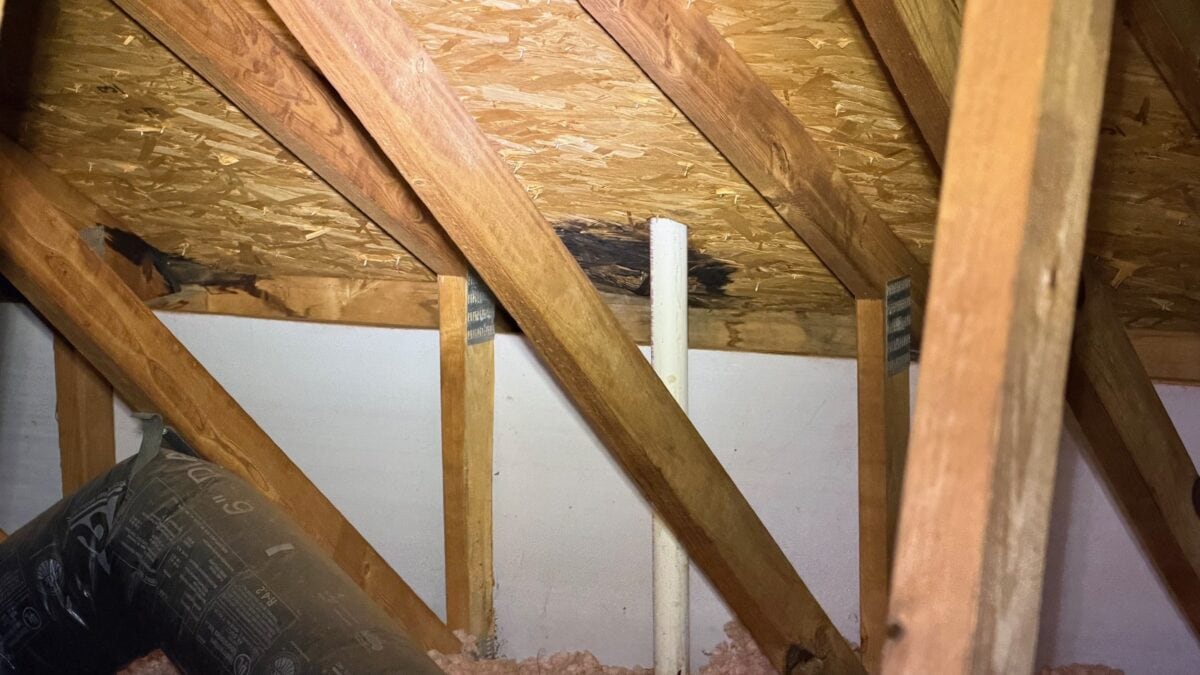
Interior inspection reveals problems that aren't visible from the roof surface. Inspectors look for water stains on ceilings, walls, or around penetrations. They examine insulation for moisture, compression, or displacement. In buildings with accessible roof structures, inspectors check for mold growth, wood rot, or rust on metal components.

This interior view often provides the first indication of hidden leaks that haven't yet caused apparent exterior damage. Early detection prevents minor leaks from becoming major structural problems.

Documentation and Reporting

Thorough documentation forms an essential component of professional inspections. Inspectors photograph problem areas, note measurements of deteriorated sections, and create detailed reports describing findings and recommendations. This documentation serves multiple purposes—it provides evidence for warranty claims, helps prioritize repairs, and makes a historical record of roof condition over time.

Quality reports include prioritized recommendations, distinguishing between urgent repairs needing immediate attention and items that can wait for scheduled maintenance. They may also include cost estimates for recommended work, helping building owners budget appropriately.

commercial roof inspection​

How Often Should You Schedule a Commercial Roof Inspection?

Inspection frequency depends on several factors related to the building, roofing system, and local conditions. Establishing an appropriate schedule balances thorough monitoring with cost considerations.

Recommended Inspection Frequency

Most roofing professionals recommend commercial roof inspections at least twice annually—typically in spring and fall. These seasonal inspections allow identification and repair of damage before extreme weather seasons arrive. Spring inspections address winter damage before summer heat, while fall inspections prepare roofs for winter conditions.

Older roofing systems nearing the end of their expected lifespan benefit from more frequent inspection, perhaps quarterly. Buildings housing sensitive operations or valuable inventory might also justify more frequent professional evaluation.

Factors Affecting Inspection Frequency

Several circumstances warrant more frequent inspections beyond the standard twice-yearly schedule:

  • Buildings with rooftop HVAC equipment, satellite dishes, or other mounted equipment need more frequent checks, as equipment installation and maintenance can compromise roofing integrity.
  • Facilities in areas with severe weather conditions—heavy snow, intense sun, or frequent storms—experience faster deterioration requiring closer monitoring.
  • Roofs with documented problems or a history of leaks need increased attention until issues are fully resolved.
  • Buildings located near trees that drop debris or under flight paths where impacts might occur also benefit from more frequent evaluation.

The Importance of Post-Storm Inspections

After significant weather events, including hailstorms, high winds, or heavy snow, scheduling prompt inspections helps identify damage before it leads to leaks. Many insurance policies require timely damage reporting, and delayed claims may face denial. Storm damage often isn't immediately apparent—wind can loosen membrane edges or flashing without creating apparent visual damage, but these compromised areas fail during the next weather event.

The Role of Professional Commercial Roof Inspection Services

While building maintenance staff might perform basic visual checks, comprehensive evaluations require professional expertise and specialized equipment that deliver more thorough results.

Expertise and Specialized Equipment

Professional inspectors understand different roofing system types, their typical failure modes, and subtle warning signs that untrained observers miss. They use specialized tools, including moisture meters that detect hidden water infiltration, infrared cameras that identify temperature variations indicating insulation problems or leaks, and core sampling equipment when deeper investigation is needed.

This expertise proves particularly valuable for complex roofing systems or buildings with multiple roof sections at different elevations. Professionals also understand building codes, industry standards, and manufacturer specifications that govern proper roofing system performance.

Comprehensive Evaluation and Reporting

Professional commercial roof inspection services provide detailed documentation that supports maintenance planning and budget development. Their reports describe current conditions, identify problems, recommend solutions, and estimate remaining roof lifespan. This information helps building owners make informed decisions about repair timing and budget allocation.

Detailed reports also prove valuable for property transactions, as they provide buyers with accurate roof condition information. They support insurance claims by documenting pre-existing conditions and storm damage with professional credibility.

Compliance with Safety and Warranty Requirements

Commercial roof access involves fall hazards requiring proper safety equipment and training. Professional inspectors carry appropriate insurance and follow OSHA safety requirements, protecting building owners from liability if accidents occur during inspection.

Many roofing warranties require regular professional inspections as a condition of coverage. DIY inspections or those performed by unqualified personnel may void manufacturer warranties, leaving building owners without recourse if premature failures occur. Professional inspection documentation satisfies these warranty requirements.

Tailored Maintenance Plans

Beyond identifying current problems, experienced inspectors help develop preventive maintenance plans customized to specific roofing systems and building uses. These plans establish inspection schedules, identify routine maintenance tasks, and set realistic expectations for repair and replacement timing. Proactive maintenance based on professional guidance extends roof lifespan and reduces total ownership costs.

Understanding Commercial Roof Inspection Costs

Investment in regular inspections represents a small fraction of roof replacement costs while potentially preventing thousands in emergency repairs and business interruption losses.

Factors Influencing Cost

Commercial roof inspection cost varies based on several factors. Building size directly affects pricing, as larger roofs require more time to evaluate thoroughly. Roof complexity matters—buildings with multiple levels, extensive equipment, or unusual configurations take longer to inspect than simple single-level structures.

Roof accessibility influences cost, with hard-to-reach roofs requiring additional time and safety equipment. The inspection scope also affects pricing—basic visual inspections cost less than comprehensive evaluations, including infrared imaging or moisture testing. Geographic location plays a role, as service costs vary by region and local market conditions.

Average Price Range

Basic visual commercial roof inspection for small to medium-sized buildings typically ranges from a few hundred to several hundred dollars. Larger buildings or those requiring specialized testing equipment naturally cost more. However, this investment pales compared to emergency repair costs or the business losses from unexpected roof failures and resulting downtime.

Many roofing companies offer inspection packages or maintenance contracts that include regular inspections at reduced rates. These programs provide predictable annual costs while ensuring consistent professional monitoring. Some companies include free inspections for buildings they previously serviced, viewing inspections as opportunities to maintain customer relationships and identify future work.

Key Benefits of Regular Commercial Roof Inspections

Regular professional commercial roof inspections deliver measurable advantages that protect both buildings and business operations:

  • Prevent costly emergency repairs by identifying minor issues before they escalate into major problems requiring extensive remediation.
  • Maintain safe working environments by ensuring roof integrity protects employees, customers, and building contents from water intrusion and structural hazards.
  • Improve energy efficiency through early detection of insulation problems, air leaks, and membrane deterioration that compromise building thermal performance.
  • Reduce business downtime by avoiding unexpected roof failures that force operational interruptions, relocation of employees, or temporary closure of facilities.
  • Extend roof lifespan significantly through timely maintenance and repairs that prevent accelerated deterioration.
  • Ensure warranty compliance by maintaining required documentation and following manufacturer inspection protocols that keep coverage valid.

commercial roof inspection​

Protecting Your Investment Through Regular Inspection

The comprehensive evaluations provided by qualified commercial roof inspection services identify problems early when repairs remain affordable and straightforward. This proactive approach protects building investments, maintains safe working conditions, and prevents the operational chaos that accompanies unexpected roof failures.

Understanding typical commercial roof inspection costs helps business owners budget appropriately for this essential maintenance activity. When compared to emergency repair expenses and business interruption losses, regular inspection represents one of the most cost-effective maintenance investments available.

 
Categories
Roofing

Commercial Roof Inspection: How to Prevent Costly Repairs and Downtime

The roof over a commercial building quietly performs one of the most critical functions in any business operation—protecting inventory, equipment, employees, and customers from the elements. Yet this essential component often receives minimal attention until something goes wrong.

When roof failures occur, the costs extend far beyond repair bills. Water damage destroys merchandise and equipment, business operations halt, employees lose productive work time, and customers go elsewhere. The financial impact of unexpected roof problems can devastate a business, especially tiny and medium-sized operations with tight margins.

Why Commercial Roof Inspections Are Essential

Commercial roofing systems face constant stress from weather, temperature fluctuations, and the mechanical equipment typically mounted on commercial roofs. Unlike residential roofs with steep slopes that shed water quickly, many commercial buildings feature flat or low-slope roofs where water pools if drainage systems aren’t functioning correctly. This standing water accelerates deterioration and creates leak risks.

Regular commercial roof inspections serve multiple critical functions. They identify developing problems like membrane deterioration, flashing separation, or blocked drains before these issues cause interior damage.

What’s Included in a Commercial Roof Inspection

Professional commercial roof inspection services follow systematic approaches to evaluate all aspects of roofing system performance and condition.

Structural and Surface Assessment

Inspectors examine the roof membrane or surface material for signs of damage, deterioration, or wear. This includes checking for punctures, tears, blistering, cracking, or missing sections. They assess whether the roof surface shows premature aging, UV damage, or chemical exposure that might shorten its lifespan.

Structural evaluation identifies sagging areas, pooling water, or signs that the roof deck may be compromised. Inspectors look for soft spots indicating moisture infiltration into insulation or decking. They also verify that the roof maintains proper slope for drainage and that no new loads have been added that exceed structural capacity.

Flashing, Seals, and Drainage Review

Flashing around roof penetrations, edges, and transitions represents the most common failure point on commercial roofs. Inspectors carefully examine all flashing for proper attachment, deterioration, or separation. They check sealants around vents, pipes, HVAC units, and other penetrations for cracking or loss of adhesion.

Drainage system functionality receives close attention, as clogged drains or scuppers cause water to pond on the roof surface. Inspectors clear debris from drains and verify that water flows freely through the entire drainage system. They also check that gutters and downspouts are secure and directing water away from the building.

Interior and Attic Examination

Interior inspection reveals problems that aren’t visible from the roof surface. Inspectors look for water stains on ceilings, walls, or around penetrations. They examine insulation for moisture, compression, or displacement. In buildings with accessible roof structures, inspectors check for mold growth, wood rot, or rust on metal components.

This interior view often provides the first indication of hidden leaks that haven’t yet caused apparent exterior damage. Early detection prevents minor leaks from becoming major structural problems.

Documentation and Reporting

Thorough documentation forms an essential component of professional inspections. Inspectors photograph problem areas, note measurements of deteriorated sections, and create detailed reports describing findings and recommendations. This documentation serves multiple purposes—it provides evidence for warranty claims, helps prioritize repairs, and makes a historical record of roof condition over time.

Quality reports include prioritized recommendations, distinguishing between urgent repairs needing immediate attention and items that can wait for scheduled maintenance. They may also include cost estimates for recommended work, helping building owners budget appropriately.

commercial roof inspection​

How Often Should You Schedule a Commercial Roof Inspection?

Inspection frequency depends on several factors related to the building, roofing system, and local conditions. Establishing an appropriate schedule balances thorough monitoring with cost considerations.

Recommended Inspection Frequency

Most roofing professionals recommend commercial roof inspections at least twice annually—typically in spring and fall. These seasonal inspections allow identification and repair of damage before extreme weather seasons arrive. Spring inspections address winter damage before summer heat, while fall inspections prepare roofs for winter conditions.

Older roofing systems nearing the end of their expected lifespan benefit from more frequent inspection, perhaps quarterly. Buildings housing sensitive operations or valuable inventory might also justify more frequent professional evaluation.

Factors Affecting Inspection Frequency

Several circumstances warrant more frequent inspections beyond the standard twice-yearly schedule:

  • Buildings with rooftop HVAC equipment, satellite dishes, or other mounted equipment need more frequent checks, as equipment installation and maintenance can compromise roofing integrity.
  • Facilities in areas with severe weather conditions—heavy snow, intense sun, or frequent storms—experience faster deterioration requiring closer monitoring.
  • Roofs with documented problems or a history of leaks need increased attention until issues are fully resolved.
  • Buildings located near trees that drop debris or under flight paths where impacts might occur also benefit from more frequent evaluation.

The Importance of Post-Storm Inspections

After significant weather events, including hailstorms, high winds, or heavy snow, scheduling prompt inspections helps identify damage before it leads to leaks. Many insurance policies require timely damage reporting, and delayed claims may face denial. Storm damage often isn’t immediately apparent—wind can loosen membrane edges or flashing without creating apparent visual damage, but these compromised areas fail during the next weather event.

The Role of Professional Commercial Roof Inspection Services

While building maintenance staff might perform basic visual checks, comprehensive evaluations require professional expertise and specialized equipment that deliver more thorough results.

Expertise and Specialized Equipment

Professional inspectors understand different roofing system types, their typical failure modes, and subtle warning signs that untrained observers miss. They use specialized tools, including moisture meters that detect hidden water infiltration, infrared cameras that identify temperature variations indicating insulation problems or leaks, and core sampling equipment when deeper investigation is needed.

This expertise proves particularly valuable for complex roofing systems or buildings with multiple roof sections at different elevations. Professionals also understand building codes, industry standards, and manufacturer specifications that govern proper roofing system performance.

Comprehensive Evaluation and Reporting

Professional commercial roof inspection services provide detailed documentation that supports maintenance planning and budget development. Their reports describe current conditions, identify problems, recommend solutions, and estimate remaining roof lifespan. This information helps building owners make informed decisions about repair timing and budget allocation.

Detailed reports also prove valuable for property transactions, as they provide buyers with accurate roof condition information. They support insurance claims by documenting pre-existing conditions and storm damage with professional credibility.

Compliance with Safety and Warranty Requirements

Commercial roof access involves fall hazards requiring proper safety equipment and training. Professional inspectors carry appropriate insurance and follow OSHA safety requirements, protecting building owners from liability if accidents occur during inspection.

Many roofing warranties require regular professional inspections as a condition of coverage. DIY inspections or those performed by unqualified personnel may void manufacturer warranties, leaving building owners without recourse if premature failures occur. Professional inspection documentation satisfies these warranty requirements.

Tailored Maintenance Plans

Beyond identifying current problems, experienced inspectors help develop preventive maintenance plans customized to specific roofing systems and building uses. These plans establish inspection schedules, identify routine maintenance tasks, and set realistic expectations for repair and replacement timing. Proactive maintenance based on professional guidance extends roof lifespan and reduces total ownership costs.

Understanding Commercial Roof Inspection Costs

Investment in regular inspections represents a small fraction of roof replacement costs while potentially preventing thousands in emergency repairs and business interruption losses.

Factors Influencing Cost

Commercial roof inspection cost varies based on several factors. Building size directly affects pricing, as larger roofs require more time to evaluate thoroughly. Roof complexity matters—buildings with multiple levels, extensive equipment, or unusual configurations take longer to inspect than simple single-level structures.

Roof accessibility influences cost, with hard-to-reach roofs requiring additional time and safety equipment. The inspection scope also affects pricing—basic visual inspections cost less than comprehensive evaluations, including infrared imaging or moisture testing. Geographic location plays a role, as service costs vary by region and local market conditions.

Average Price Range

Basic visual commercial roof inspection for small to medium-sized buildings typically ranges from a few hundred to several hundred dollars. Larger buildings or those requiring specialized testing equipment naturally cost more. However, this investment pales compared to emergency repair costs or the business losses from unexpected roof failures and resulting downtime.

Many roofing companies offer inspection packages or maintenance contracts that include regular inspections at reduced rates. These programs provide predictable annual costs while ensuring consistent professional monitoring. Some companies include free inspections for buildings they previously serviced, viewing inspections as opportunities to maintain customer relationships and identify future work.

Key Benefits of Regular Commercial Roof Inspections

Regular professional commercial roof inspections deliver measurable advantages that protect both buildings and business operations:

  • Prevent costly emergency repairs by identifying minor issues before they escalate into major problems requiring extensive remediation.
  • Maintain safe working environments by ensuring roof integrity protects employees, customers, and building contents from water intrusion and structural hazards.
  • Improve energy efficiency through early detection of insulation problems, air leaks, and membrane deterioration that compromise building thermal performance.
  • Reduce business downtime by avoiding unexpected roof failures that force operational interruptions, relocation of employees, or temporary closure of facilities.
  • Extend roof lifespan significantly through timely maintenance and repairs that prevent accelerated deterioration.
  • Ensure warranty compliance by maintaining required documentation and following manufacturer inspection protocols that keep coverage valid.

commercial roof inspection​

Protecting Your Investment Through Regular Inspection

The comprehensive evaluations provided by qualified commercial roof inspection services identify problems early when repairs remain affordable and straightforward. This proactive approach protects building investments, maintains safe working conditions, and prevents the operational chaos that accompanies unexpected roof failures.

Understanding typical commercial roof inspection costs helps business owners budget appropriately for this essential maintenance activity. When compared to emergency repair expenses and business interruption losses, regular inspection represents one of the most cost-effective maintenance investments available.

 
Categories
Roofing

Upgraded Roofing: Modern Materials That Offer Strength and Style

The roofing industry has transformed dramatically over the past two decades. Gone are the days when homeowners had to choose between basic asphalt shingles or expensive traditional materials with limited options in between.

Today’s market offers an impressive array of innovative roofing materials that deliver exceptional performance while meeting diverse aesthetic preferences. These advancements have made upgraded roofing solutions accessible to property owners who want more than just basic weather protection.

Modern homeowners increasingly view their roofs as opportunities for enhancement rather than simple replacements. Whether motivated by energy savings, storm protection, curb appeal, or longevity, property owners are discovering that investing in premium materials and installation pays dividends for years to come.

Why Consider a Roof Upgrade?

Understanding the benefits of upgraded roofing helps property owners make informed decisions about when and why to invest in modern materials. Several compelling reasons drive the growing popularity of roof upgrades.

Extending Roof Lifespan and Durability

Traditional roofing materials often require replacement every 15 to 20 years. Modern upgraded materials extend that timeline significantly, with many options lasting 30 to 50 years or more. Metal roofing can exceed 50 years of service, while premium synthetic materials often carry warranties of 40 years or longer. This extended lifespan reduces the frequency of costly replacements and the disruption they bring.

Advanced materials also resist common forms of damage better than their predecessors. Impact-resistant shingles withstand hail that would destroy standard products. Enhanced UV protection prevents premature deterioration from sun exposure. Improved wind ratings keep roofing systems intact during severe storms that would have stripped away older materials.

Improving Energy Efficiency

Energy costs represent a significant ongoing expense for property owners. Upgraded roofing materials with reflective properties can dramatically reduce cooling costs by deflecting solar heat rather than absorbing it. Cool roof technology, available in various materials and colors, can lower roof surface temperatures by 50 degrees or more compared to traditional dark roofing.

Better insulation integration and ventilation designs in modern roofing systems also contribute to energy efficiency. These improvements help maintain consistent indoor temperatures year-round, reducing strain on heating and cooling systems while lowering utility bills.

Enhancing Home Aesthetics and Value

Curb appeal matters for both personal satisfaction and property value. Modern roofing materials offer extensive design options that weren’t available with earlier products. Homeowners can achieve the look of expensive slate, cedar shake, or tile at a fraction of the cost using high-quality synthetic alternatives.

Color variety has expanded dramatically, allowing homeowners to coordinate roofing with architectural styles and personal preferences. Upgraded roofs consistently rank among the top home improvements for return on investment, often recouping a substantial portion of their cost when properties sell.

Preparing for Future Weather Challenges

Climate patterns have shifted, bringing more frequent and severe weather events to many regions. Upgraded materials engineered explicitly for wind resistance, impact protection, and water shedding provide peace of mind that basic roofing products cannot match. Fire-resistant materials offer critical protection in wildfire-prone areas, while reinforced options handle heavy snow loads that challenge standard roofing systems.

upgraded roofing

Modern Roofing Materials for Strength and Longevity

The range of available materials allows property owners to find options that meet their specific needs for performance, appearance, and budget. Each material category offers distinct advantages worth considering during the selection process.

Metal Roofing

Metal roofing moved well beyond agricultural buildings to become a premium residential choice. Modern metal roofs come in various styles, including standing seam, metal shingles, and panels that mimic traditional materials. Steel, aluminum, copper, and zinc each offer different benefits regarding weight, longevity, and appearance.

Metal roofing provides exceptional wind resistance, often rated for winds over 120 mph. The material doesn’t crack, rot, or support mold growth. Fire resistance receives the highest ratings, making metal ideal for wildfire zones. Energy efficiency comes from reflective coatings that keep buildings cooler. Despite higher initial costs, metal roofing’s 50-plus year lifespan and minimal maintenance requirements deliver excellent long-term value.

Architectural Asphalt Shingles

Architectural shingles represent a significant upgrade from basic three-tab products. Also called dimensional or laminated shingles, these products feature multiple layers that create depth and texture. The result looks more like traditional wood shake or slate while maintaining the affordability and ease of installation associated with asphalt products.

Modern architectural shingles incorporate advanced technology, including algae resistance, enhanced wind ratings, and impact resistance. Color options have expanded dramatically, with many manufacturers offering dozens of choices. Warranties typically extend 25 to 30 years, with some premium lines offering limited lifetime coverage. These shingles strike an excellent balance between cost, performance, and aesthetics for homeowners seeking roof upgrades.

Synthetic Slate and Composite Roofing

Synthetic roofing materials replicate the appearance of premium natural products without the weight, cost, or maintenance requirements. Polymer-based synthetic slate looks virtually identical to natural slate but weighs far less, allowing installation on structures that couldn’t support genuine slate.

Composite shingles combine various materials to create products with specific performance characteristics. These materials resist impact, wind, fire, and UV damage while offering extensive design flexibility. Many composite products incorporate recycled content, appealing to environmentally conscious homeowners. Warranties often reach 40 to 50 years, reflecting the durability of modern synthetics.

Tile Roofing (Clay and Concrete)

Tile roofing has protected buildings for centuries, and modern manufacturing has only improved its performance. Clay tiles offer natural beauty, exceptional durability, and resistance to rot, insects, and fire. Concrete tiles provide similar benefits at a lower cost while offering more color options through integral pigments or surface coatings.

Both clay and concrete tiles excel in hot climates, as their thermal mass and natural ventilation properties help regulate building temperatures. Properly installed tile roofs can last 50 to 100 years. The primary consideration is weight—tile requires adequate structural support, which may necessitate reinforcement on some buildings.

Green and Solar Roofing Solutions

Green roofs featuring living vegetation provide excellent insulation, manage stormwater, and reduce urban heat island effects. While primarily used on commercial buildings, residential green roof applications are growing. These systems require specialized installation and maintenance but offer unique environmental benefits.

Solar roofing integrates photovoltaic technology directly into roofing materials rather than mounting panels on top of existing roofs. Modern solar shingles blend seamlessly with traditional roofing while generating electricity. Though more expensive initially, solar roofing can dramatically reduce or eliminate electricity costs while qualifying for tax incentives.

Choosing the Right Material for Your Roof Upgrade

Selecting appropriate materials requires balancing multiple factors to find the best solution for specific properties and priorities.

Assessing Your Home’s Structure and Design

Building structure determines which materials are viable options. Older homes may need reinforcement to support heavy materials like tile or slate. Roof pitch affects material choices, as some products require minimum slopes for proper water shedding. Architectural style also plays a role—certain materials complement specific design aesthetics better than others.

Balancing Aesthetics and Functionality

While appearance matters, it shouldn’t override performance considerations. Materials must handle local weather conditions effectively while fitting homeowner preferences. Fortunately, modern manufacturing provides materials that deliver both beauty and functionality. Professional roof upgrade teams can help property owners understand which materials best serve their specific situations.

Budget and Long-Term Value

Initial cost represents just one aspect of material selection. Total cost of ownership includes installation, maintenance, energy savings, and expected lifespan. A material costing twice as much but lasting three times as long provides better value. Energy savings from reflective or insulating materials accumulate year after year, often justifying a higher initial investment.

Considering Warranty and Lifespan

Warranty coverage varies significantly between materials and manufacturers. Material warranties cover product defects, while workmanship warranties from installers address installation quality. The best protection combines robust material warranties with substantial workmanship guarantees. Understanding warranty terms, conditions, and exclusions helps set realistic expectations.

upgraded roofing

Maintenance Tips for Upgraded Roofs

Even premium materials benefit from regular care to maximize their lifespan and performance. Implementing a maintenance routine protects the investment in professional roof upgrades.

Schedule inspections twice yearly and after significant storms. These inspections identify minor issues before they become major problems. Clear debris from gutters, valleys, and roof surfaces to prevent water pooling and organic growth. Trim overhanging branches that scrape surfaces or drop excessive debris. Address any identified damage promptly—even minor issues can escalate when ignored.

Different materials have specific maintenance needs. Metal roofs benefit from periodic checks of fasteners and sealants. Tile roofs require the replacement of broken tiles and the inspection of the underlayment in the valley areas. Synthetic materials generally need minimal maintenance beyond keeping them clean. Working with qualified professionals for maintenance ensures work is done correctly without voiding warranties.

Making the Smart Investment

Modern roofing materials have transformed what property owners can expect from their roofs. Upgraded roofing delivers superior strength, extended longevity, improved energy efficiency, and enhanced aesthetics compared to basic alternatives. Whether choosing metal for its exceptional durability, architectural shingles for balanced value, synthetic materials for specific performance characteristics, or tile for timeless beauty, today’s options provide solutions for virtually any need and preference.

The key to successful roof upgrades lies in thorough research, careful material selection, and professional installation. Working with experienced professional roof upgrade teams ensures proper installation that allows materials to perform as intended. These professionals understand how different materials interact with various building designs and can recommend solutions that optimize both performance and appearance.

 
Categories
Roofing

Quality Roofing: What to Look for When Selecting Materials and Services

A roof does more than complete the exterior of a building—it stands as the primary defense against rain, wind, snow, and extreme temperatures. When this critical component fails, the consequences extend far beyond a few drips during storms.

Water infiltration damages insulation, weakens structural framing, promotes mold growth, and ruins interior finishes. For both homeowners and business owners, the roof represents one of the most essential investments in property protection and longevity.

Yet not all roofing materials and installation services deliver the same level of performance. The difference between a roof that lasts decades with minimal issues and one that requires constant repairs often comes down to the quality of both materials selected and professionals hired.

What Defines Quality Roofing?

Quality roofing encompasses several interconnected elements that work together to create a durable, weather-resistant system. The materials themselves must meet rigorous manufacturing standards and be appropriate for the local climate and building design. Installation quality matters equally—even premium materials fail prematurely when installed improperly.

Beyond materials and workmanship, quality roofing includes proper ventilation, adequate underlayment, correctly installed flashing, and attention to detail at every step. The system must function as an integrated whole, with each component supporting the others. Quality extends to the service experience itself, with reputable companies providing clear communication, transparent pricing, and comprehensive warranties.

Choosing Quality Roofing Materials

Material selection forms the foundation of any successful roofing project. Several key factors influence which materials will perform best for a specific property.

Factors to Consider When Selecting Materials

Climate plays a significant role in material performance. Areas with intense sun exposure need materials with strong UV resistance, while regions with heavy snow loads require materials that can handle weight without damage. Coastal properties benefit from materials that resist salt corrosion and high winds.

Budget considerations extend beyond initial cost to include expected lifespan and maintenance requirements. Building design also influences material choice, as steep-slope roofs accommodate different materials than low-slope or flat roofs. Local building codes may mandate specific materials in areas prone to hail, fire, or hurricanes.

Common High-Quality Roofing Materials

Several roofing materials have earned reputations for reliability and longevity. Architectural asphalt shingles offer better durability and appearance than basic three-tab versions. Metal roofing provides exceptional longevity, energy efficiency, and low maintenance needs, with steel, aluminum, and copper each offering different benefits.

Tile roofing, whether clay or concrete, provides outstanding durability and fire resistance. Slate represents the premium end of roofing materials, with properly installed slate roofs lasting a century or more. For flat or low-slope commercial applications, single-ply membranes like TPO, PVC, and EPDM deliver reliable performance.

Material Longevity and Warranty

Understanding realistic lifespan expectations helps property owners make informed decisions. Basic asphalt shingles typically last 15 to 20 years, while architectural shingles may reach 25 to 30 years. Metal roofing often exceeds 50 years, and tile or slate can last even longer with proper maintenance.

Manufacturer warranties vary significantly in coverage and duration. Many warranties are prorated, meaning coverage decreases over time. Reading warranty terms carefully reveals what protection actually exists. The best warranties combine extended material coverage from manufacturers with substantial workmanship warranties from installers.

quality roofing​

Signs of a Quality Roofing Company

Finding a quality roofing company requires evaluating concrete indicators of professionalism and competence rather than relying on advertising claims alone.

Proper Licensing and Insurance

Legitimate roofing companies maintain all required licenses for their jurisdiction and carry comprehensive insurance. General liability insurance protects property owners if the company damages the home, while workers’ compensation coverage protects homeowners from liability if workers are injured on the property. Companies should provide certificates of insurance upon request.

Experience and Reputation

Years in business under the same name indicate stability and satisfied customers. Online reviews offer insights into customer experiences, though they should be read for patterns rather than individual comments. References from recent customers provide direct opportunities to ask about experiences with work quality, professionalism, and responsiveness to issues.

Transparent Estimates and Contracts

Detailed written estimates specify materials by brand and grade, describe the scope of work clearly, and outline payment schedules. Contracts should include project timelines, cleanup procedures, warranty information, and processes for addressing problems. Pressure tactics, vague pricing, or reluctance to provide written documentation signal companies to avoid.

Skilled and Certified Roofers

Companies employing trained, certified roofers deliver better results than those using untrained labor. Manufacturer certifications indicate roofers have completed training on specific products and installation techniques, often unlocking better warranty coverage.

Evaluating Quality Roofing Services

Beyond credentials and materials, the actual quality of roofing services provided during a project determines the final outcome.

Comprehensive Services Offered

Top roofing companies offer complete services, including inspections, repairs, full replacements, and emergency services. This range indicates experience with various roofing challenges and the capability to handle unexpected issues during projects.

Customization and Material Options

Quality providers offer multiple material options and help property owners understand the benefits and drawbacks of each. They customize recommendations based on budget, climate, architectural style, and long-term goals rather than pushing a single solution.

Attention to Detail During Installation

Proper installation requires attention to countless details. Quality installers ensure adequate ventilation, install underlayment correctly, seal all penetrations properly, and integrate flashing seamlessly. They protect landscaping during work, maintain clean job sites, and conduct thorough final inspections before considering projects complete.

Comparing Quality Roofing Solutions

Different property types require different approaches to achieve optimal results. Understanding these distinctions helps property owners identify appropriate quality roofing solutions for their specific needs.

Residential Roofing Solutions

Residential properties benefit from materials that balance aesthetics, durability, and cost. Homeowners typically prioritize curb appeal alongside performance, making architectural shingles, metal, and tile popular choices. Proper attic ventilation and insulation integration matter significantly for energy efficiency and comfort.

Commercial Roofing Solutions

Commercial properties often feature flat or low-slope roofs requiring specialized materials and installation techniques. Single-ply membranes, built-up roofing, and modified bitumen systems serve commercial needs well. Commercial projects also require contractors experienced in working around business operations and meeting commercial building codes.

Sustainable and Energy-Efficient Roofing

Energy-efficient roofing materials reduce cooling costs and environmental impact. Cool roofs with high solar reflectance lower building temperatures, while some materials qualify for tax credits or rebates. Green roofing systems and solar panel integration represent advanced sustainable options for appropriate properties.

quality roofing​

Investing in Long-Term Protection

Selecting quality roofing materials and hiring a reputable quality roofing company requires careful evaluation of multiple factors. Durable materials appropriate for local climate conditions form the foundation of a lasting roof. Experienced professionals with proper licensing, insurance, and trained installers ensure those materials perform as intended.

Quality roofing services include transparent communication, detailed contracts, attention to installation details, and comprehensive warranties that protect property owners. Whether addressing residential or commercial needs, investing in quality from the start prevents costly repairs and premature replacement.

 
Categories
Roofing

Affordable Roof Replacement: A Homeowner’s Guide to Saving Money

Replacing a roof ranks among the most substantial investments a property owner will make. The cost can feel overwhelming, often running into thousands of dollars, and for many homeowners, finding ways to manage this expense without sacrificing quality becomes a top priority. The challenge lies in balancing the need for a durable, long-lasting roof with budget constraints that require careful planning and thoughtful decision-making.

The good news is that affordable roof replacement doesn’t mean settling for subpar materials or questionable workmanship. With the right approach, homeowners can secure quality roofing services that fit their budget while ensuring their property remains protected for years to come. This article walks through the essential steps for planning, budgeting, and selecting roofing services that deliver value without breaking the bank.

When Is It Time to Replace Your Roof?

Knowing when to replace a roof versus continuing with repairs can significantly impact overall costs. Age is often the primary indicator—most asphalt shingle roofs last between 20 and 25 years, while other materials have different lifespans. However, age alone shouldn’t be the only deciding factor.

Signs that replacement may be necessary include widespread shingle damage, frequent leaks in multiple areas, significant granule loss, sagging sections, or visible daylight through the roof boards from the attic. When repair costs start adding up to more than half the cost of replacement, or when problems keep recurring, replacement becomes the more economical choice.

affordable roof replacement​

Factors That Affect Roof Replacement Costs

Understanding what drives roofing costs helps homeowners make informed decisions about where to allocate their budget. Several key factors influence the final price of a roof replacement project.

Roof Size and Design Complexity

Square footage is the most obvious cost factor—larger roofs require more materials and labor. However, design complexity matters just as much. A simple gable roof costs less to replace than a roof with multiple valleys, dormers, skylights, or steep pitches. Complex designs require more time, specialized skills, and additional materials for proper flashing and weatherproofing.

Roof pitch also affects pricing. Steeper roofs are more dangerous to work on, requiring additional safety equipment and slower installation times, which increases labor costs.

Choice of Roofing Materials

Material selection dramatically impacts both upfront costs and long-term value. Asphalt shingles are the most budget-friendly option and work well for most residential applications. Metal roofing costs more initially but offers superior longevity and energy efficiency. Tile and slate provide excellent durability but come with premium price tags.

When seeking affordable roof replacement, homeowners should consider the total cost of ownership rather than just the installation price. A moderately priced material that lasts 30 years may provide better value than the cheapest option that needs replacement in 15 years.

Labor and Installation Fees

Labor typically accounts for a significant portion of total replacement costs. Rates vary by region, contractor experience, and project complexity. However, the lowest labor bid isn’t always the best value. Experienced contractors may charge more per hour but complete work faster and with fewer callbacks for issues.

Quality installation matters enormously for roof performance. Poor workmanship can void manufacturer warranties and lead to premature failure, ultimately costing more in the long run.

Additional Costs to Consider

Beyond materials and labor, several other expenses can affect the final bill:

  • Removal and disposal of the old roof
  • Roof deck repairs for damaged or rotted plywood
  • Upgraded underlayment or ice and water shield
  • New flashing around chimneys, vents, and skylights
  • Gutter repairs or replacement
  • Permit fees required by local building departments

These extras can add hundreds or even thousands to the base estimate. Reputable contractors include these items in their quotes, while less thorough estimates may leave them out, creating unwelcome surprises later.

How to Plan an Affordable Roof Replacement

Strategic planning makes the difference between a stressful, budget-busting project and a smooth, financially manageable one. Taking time to prepare saves money and reduces complications.

Set a Realistic Budget

Start by researching typical costs for roofing projects in the local area. This baseline helps identify whether quotes are reasonable or inflated. Build in a contingency fund of at least 10-15% for unexpected issues like hidden damage discovered during tear-off.

Explore financing options if paying the full amount upfront isn’t feasible. Many roofing companies offer financing programs, or homeowners might consider home equity loans or lines of credit that typically offer better interest rates than contractor financing.

Get Multiple Quotes

Obtaining at least three detailed quotes from different contractors is essential for finding affordable roof replacement services. These quotes should break down materials, labor, timeline, warranty information, and what’s included in the scope of work.

Be wary of quotes that seem significantly lower than others—they may indicate cut corners, inferior materials, or unlicensed contractors. The goal is finding the best value, not necessarily the lowest price.

Choose the Right Timing

Timing can significantly impact costs. Roofing contractors are busiest during late spring and summer when the weather is most favorable. Scheduling replacement during the off-season—typically late fall or early winter in many regions—can sometimes yield better pricing as contractors look to fill their schedules.

However, weather considerations matter. Some roofing materials shouldn’t be installed in frigid temperatures, and working conditions affect installation quality. Discuss timing with contractors to find the sweet spot between cost savings and optimal installation conditions.

Finding Affordable Roof Replacement Services

Selecting the right contractor is arguably the most critical decision in the entire process. The cheapest option often leads to problems, while the most expensive doesn’t guarantee the best quality. Finding the right balance requires careful research and evaluation.

Research Local Roofing Companies

Start with online reviews, but dig deeper than star ratings. Read detailed reviews to understand what customers appreciated or disliked. Look for patterns in feedback—consistent complaints about communication, cleanup, or post-installation issues are red flags.

Verify licensing and insurance status with state or local authorities. Legitimate, affordable roof replacement service providers carry general liability insurance and workers’ compensation coverage. Ask for certificates of insurance and confirm they’re current.

Check with local building departments or consumer protection agencies for complaint histories. Membership in professional organizations like the National Roofing Contractors Association can indicate commitment to industry standards, though it’s not a guarantee of quality.

Evaluate Warranties and Service Packages

Understanding warranty coverage is essential for long-term value. Most roofing projects include two types of warranties: manufacturer warranties covering material defects, and workmanship warranties covering installation quality.

Manufacturer warranties vary by product but typically range from 20 to 50 years. However, these often have prorated coverage, meaning the manufacturer’s financial responsibility decreases over time. Read warranty terms carefully to understand what’s actually covered.

Workmanship warranties from contractors typically range from one to ten years. Longer workmanship warranties from established local companies provide better protection than short warranties from contractors who may not be in business if problems arise years later.

Avoiding Scams and Low-Quality Offers

Unfortunately, roofing scams are common, especially after major storms when out-of-town contractors flood affected areas. Warning signs include:

  • Contractors going door-to-door soliciting work
  • Requests for complete payment up front
  • Pressure tactics claiming limited-time offers
  • No physical business address or local references
  • Offers to waive insurance deductibles
  • Unwillingness to provide written contracts

Always insist on detailed written contracts specifying materials, timelines, payment schedules, and warranty information. Never pay the full amount upfront—standard practice is a deposit to start work, progress payments at key milestones, and final payment upon satisfactory completion.

affordable roof replacement​

Affordable Options for Commercial Roof Replacement

Commercial roofing projects differ significantly from residential work in scale, material choices, and installation methods. However, the same principles of thoughtful planning and careful contractor selection apply.

Cost-Effective Materials for Commercial Roofs

Commercial buildings often have flat or low-slope roofs that require different materials than residential pitched roofs. Built-up roofing (BUR) systems offer good performance at moderate cost. Single-ply membranes like TPO or EPDM provide energy efficiency and easier installation at competitive prices.

Modified bitumen systems offer a middle ground between traditional built-up roofs and single-ply membranes. Metal roofing systems work well for some commercial applications, providing longevity that offsets higher initial costs.

Choosing the Right Commercial Roofing Contractor

Commercial roofing requires specialized knowledge and equipment. Contractors should have extensive experience with commercial projects and the specific roofing system being installed. Request references from similar commercial projects and verify their completion quality.

Commercial projects often involve working around business operations. Contractors offering affordable commercial roof replacement services should have clear plans for minimizing disruption, protecting inventory, and maintaining safety for employees and customers.

Preventive Maintenance for Commercial Roofs

Regular maintenance extends roof lifespan and prevents costly emergency repairs. Even when working with affordable roof replacement service providers initially, establishing a maintenance program protects that investment.
Commercial roof maintenance should include:

  • Regular inspections at least twice yearly, and after major storms
  • Prompt repair of minor issues before they become significant problems
  • Cleaning drains and removing debris
  • Checking and maintaining rooftop equipment
  • Documenting all maintenance activities

Some roofing contractors offer maintenance programs that include regular inspections and minor repairs for a flat annual fee. These programs often prove cost-effective compared to paying for individual service calls and help ensure consistent roof care.

Making Smart Choices for Long-Term Value

Achieving an affordable roof replacement comes down to thorough planning, careful contractor selection, appropriate material choices, and ongoing maintenance. Homeowners and business owners who invest time in research, obtain multiple detailed quotes, and select reputable contractors with solid warranties position themselves for success.

Affordability doesn’t require cutting corners or accepting substandard work. Instead, it means understanding the factors that drive costs, knowing where flexibility exists, and making informed decisions that balance immediate budget constraints with long-term performance and durability.

 
Categories
Roofing

Common Roof Issues and the Best Roof Repair Solutions in Charlotte

Your roof protects your home from Charlotte’s unpredictable weather—from summer thunderstorms to winter ice and everything in between. Timely roof repairs maintain the safety, comfort, and structural integrity of your property, preventing minor problems from becoming expensive disasters. The challenge is identifying roof issues early, often before they’re visible from inside your home.

Many Charlotte homeowners ignore minor warning signs like small leaks or a few missing shingles, thinking they can wait. This delay typically leads to more extensive damage and significantly higher repair costs. Understanding common roof problems and knowing the best roof repair solutions in Charlotte helps you act quickly when issues arise.

Common Roof Issues Homeowners Face in Charlotte

Roof Leaks

Leaks rank as the most common roofing problem in Charlotte. Heavy rainfall, which the area experiences regularly, exploits any weak point in your roof system. Leaks often start around flashing near chimneys, vents, and skylights where different materials meet.

The problem with leaks is that they’re rarely obvious until significant damage has occurred. Water travels along rafters and decking before dripping into your living space, meaning the actual leak point might be several feet from where you see water stains inside.

Clogged or Damaged Gutters

Charlotte’s abundance of trees means gutters frequently fill with leaves, pine needles, and debris. Clogged gutters prevent proper drainage, causing water to back up under your shingles and into your fascia boards. This standing water leads to rot and creates entry points for moisture.

Damaged gutters—whether sagging, separating from the house, or full of holes—fail to channel water away from your foundation, causing both roofing problems and foundation issues.

Missing or Damaged Shingles

Severe thunderstorms with high winds regularly sweep through Charlotte, especially during spring and summer. These storms can lift and tear shingles, leaving your roof vulnerable. Hail damage is also common, creating dents and cracks that compromise shingle integrity.

Even without storms, Charlotte’s temperature fluctuations cause shingles to expand and contract repeatedly. Over time, this movement leads to cracking, curling, and brittleness.

Roof Ponding or Poor Drainage

Flat or low-slope roofs, common on Charlotte’s commercial buildings and some residential properties, often develop ponding water—areas where water sits for more than 48 hours after rain. Charlotte’s heavy rainfall exacerbates this problem.

Ponding water stresses roofing materials, leads to premature aging, and creates opportunities for leaks. Poor drainage also contributes to moss and algae growth.

Wear and Tear from Weather

Charlotte’s humid subtropical climate accelerates roof aging. Hot, humid summers promote mold and algae growth, while UV exposure degrades shingles. Winter brings occasional ice dams when temperatures fluctuate around freezing. This constant environmental pressure means even well-maintained roofs show wear faster than expected.

Best Roof Repair Solutions for Common Issues in Charlotte

Roof Leak Repair Solutions

Addressing leaks requires more than just patching the obvious problem area. Professional roof repair solutions in Charlotte start with thorough inspections to locate the actual source of leaks, which often differs from where water appears inside your home.

Effective leak repair involves replacing damaged flashing, sealing around penetrations with high-quality sealants rated for Charlotte’s climate, and replacing compromised shingles and underlayment in the affected area. For persistent leaks, contractors may need to remove multiple shingle rows to access and repair damaged decking.

Ice and water shield—a self-sealing underlayment—provides extra protection in vulnerable areas. While not always required by code in Charlotte, this upgrade prevents future leaks.

Gutter Repair and Maintenance Solutions

Proper gutter function requires regular cleaning and prompt repairs. Charlotte homeowners should clean gutters at least twice yearly—more often if you have many trees nearby. Professional roof solutions Charlotte companies often offer gutter services alongside roofing work.

For damaged gutters, repair options include resealing joints, replacing sections, reinforcing hangers, and ensuring proper slope for drainage. In cases of extensive damage, full gutter replacement may be more cost-effective than repeated repairs.

Adding gutter guards reduces maintenance needs by preventing debris accumulation.

Shingle Repair and Replacement Solutions

Minor shingle damage—a few missing or cracked shingles—can be repaired by replacing individual shingles. This works well for storm damage affecting small areas. However, if damage is widespread or your roof is approaching 15-20 years old, partial replacement might not be the best solution.

For extensive shingle damage, roof repair solutions in Charlotte include replacing entire sections or considering full roof replacement. Upgraded shingles with higher wind and impact ratings make sense in Charlotte, given the area’s storm frequency. Impact-resistant shingles often qualify for insurance discounts and better withstand hail damage.

Improving Roof Drainage and Preventing Ponding

For flat or low-slope roofs experiencing ponding, alternative roofing solutions Charlotte NC contractors recommend include improving drainage slope, installing additional drains or scuppers, and using tapered insulation systems to create positive drainage.

In some cases, installing a cricket or saddle—a peaked structure that diverts water—prevents ponding in problem areas. For persistent drainage issues, a professional assessment might recommend upgrading to a different roofing system better suited to your roof’s slope and Charlotte’s rainfall patterns.

Weatherproofing and Storm-Proofing Roofs

Given Charlotte’s weather challenges, weatherproofing should be part of any major repair. This includes upgrading flashing systems, adding extra sealing around vulnerable areas, and ensuring proper ventilation to manage moisture and heat.

Storm-proofing measures include installing high-wind-rated shingles, using enhanced fastening methods with additional nails per shingle, and reinforcing roof-to-wall connections. These upgrades make sense for Charlotte homes, where severe storms are regular occurrences.

Proper attic ventilation and insulation also contribute to roof longevity by reducing heat and moisture buildup that accelerates material degradation.

roof repair solutions in charlotte

Why Professional Roof Repair Services in Charlotte Are Essential

Expertise and Experience

Charlotte’s specific climate and building codes require local expertise. Professional contractors understand which materials perform best in Charlotte’s humid subtropical environment and which solutions address the area’s most common problems.

Experienced roofers identify issues that homeowners miss. They know where Charlotte roofs typically develop problems and can spot early warning signs before they become major issues.

Safety and Compliance with Local Codes

Roof work is dangerous, requiring proper equipment and training. Professional roof solutions Charlotte, NC companies carry insurance protecting you from liability if accidents occur during repairs. They also follow OSHA safety protocols.

Charlotte requires permits for most roof work, and repairs must meet local building codes. Professional contractors handle permitting, ensure code compliance, and arrange necessary inspections.

Warranty and Peace of Mind

Reputable roof repair solutions in Charlotte come with warranties covering both materials and workmanship. If problems develop after repairs, the contractor returns to fix them at no additional cost.

Professional contractors also maintain relationships with material suppliers, often accessing better pricing and warranty terms. Many manufacturers’ warranties only apply when products are installed by certified professionals.

Choosing the Right Roof Repair Company in Charlotte

Research and Credentials

Start by verifying contractors are licensed and insured in North Carolina. Check their Better Business Bureau rating and read online reviews on multiple platforms. Ask for references from recent projects similar to yours.

Look for contractors with specific experience in roof solutions, Charlotte, NC, who understand local challenges better than general contractors who occasionally do roofing.

Getting Multiple Estimates

Obtain at least three detailed written estimates. Beware of quotes significantly lower than others—they often indicate corners being cut or hidden costs. The estimate should specify materials by brand and grade, detail the scope of work, provide a timeline, and clearly state what’s included.

Ask about the warranty on both materials and labor. Material warranties vary by product, but labor warranties should cover workmanship for at least 1-2 years on repairs.

Questions to Ask

Before hiring, ask contractors:

  • How long have you been serving Charlotte?
  • Are you licensed and insured in North Carolina?
  • What specific experience do you have with my type of roof and repair?
  • Who will actually perform the work?
  • What’s your timeline for completion?
  • How do you handle unexpected issues discovered during repairs?

Professional contractors welcome these questions and provide clear, confident answers.

Protecting Your Charlotte Home

Charlotte’s climate presents unique challenges for roofs. Common issues include leaks from heavy rainfall, damaged shingles from storms, clogged gutters from abundant trees, ponding water on flat roofs, and accelerated wear from heat and humidity. Each problem requires specific roof repair solutions in Charlotte tailored to local conditions and building codes.

Professional roof repair services provide expertise, safety, and warranties that protect your investment. While DIY fixes might seem cheaper initially, improper repairs often lead to bigger problems and higher costs. Experienced alternative roofing solutions Charlotte, NC contractors understand the area’s challenges and know which materials and methods provide lasting protection.


Categories
Roofing

How Much Does Metal Roof Installation Cost? What You Need to Know

Metal roofs have surged in popularity over the past decade, and for good reason. Homeowners appreciate their exceptional durability, energy efficiency, and sleek modern appearance. Unlike traditional asphalt shingles that need replacement every 15-20 years, metal roofs can last 50 years or more with minimal maintenance. They reflect solar heat, reducing cooling costs in summer, and withstand extreme weather conditions.

However, metal roofing installation requires a significant upfront investment. Understanding the costs involved helps you budget appropriately and make an informed decision. This article breaks down every factor that influences metal roof installation costs so you know exactly what to expect.

Factors That Influence Metal Roof Installation Costs

Roof Size and Complexity

Your roof’s size is the primary cost driver. Metal roof installation is typically priced per square foot or per “square” (100 square feet). A larger roof naturally requires more materials and labor, increasing the total cost.

Roof complexity matters just as much as size. Simple gable roofs cost less to install than complex roofs with multiple valleys, dormers, skylights, or steep pitches. Each additional complexity requires more time, skill, and material waste. Steep roofs also increase labor costs because they’re more dangerous and require additional safety equipment.

Type of Metal Used

The type of metal you choose dramatically affects your project cost:

  • Steel is the most affordable option at $3-$7 per square foot for materials. Galvanized or galvalume steel resists rust and works well in most climates.
  • Aluminum costs $4-$8 per square foot and excels in coastal environments where salt air would corrode steel. It’s lightweight and rust-resistant, though more prone to denting.
  • Copper represents the premium end at $15-$30 per square foot. Copper develops a distinctive patina over time and can last over 100 years.
  • Zinc falls in the middle at $10-$20 per square foot. Like copper, it develops a protective patina and offers exceptional longevity.

The Cost of Materials for Metal Roof Installation

Material Pricing Breakdown

Beyond the metal panels themselves, metal roofing installation requires numerous additional materials. Underlayment creates a moisture barrier, costing $0.50-$1.50 per square foot. This synthetic or felt layer is mandatory and prevents leaks.

Fasteners and clips designed specifically for metal roofing cost $50-$150 per square. Never skimp on fasteners—cheap hardware leads to loose panels and leaks.

Trim and flashing seal valleys, ridges, eaves, and penetrations. Budget $3-$8 per linear foot for quality metal trim pieces that match your panels.

Additional Material Costs

Many metal roof installations require roof deck repairs before new materials can be installed. If your roof deck has rotted sections or water damage, repairs add $2-$5 per square foot. Metal roof installers typically identify these issues during the initial inspection.

Ventilation components ensure proper airflow in your attic, preventing moisture buildup. Ridge vents, soffit vents, and other ventilation products add $200-$600 to most projects.

Material Longevity and Long-Term Costs

While metal roofing costs more upfront than asphalt shingles, the long-term value is substantial. A quality metal roof lasts 40-70 years compared to 15-25 years for asphalt. Over a 50-year period, you might replace an asphalt roof three times while your metal roof continues performing.

Metal roofs also require less maintenance, saving hundreds or thousands in maintenance costs over the roof’s lifetime. Factor these savings into your decision-making process.

Labor Costs and Contractor Fees

Labor Costs Based on Roof Size and Complexity

Labor typically represents 50-60% of your total metal roof installation cost. For a standard 2,000 square foot roof, expect to pay $4,000-$8,000 in labor alone. This includes removing your old roof (if necessary), preparing the deck, installing underlayment, mounting the metal panels, and installing all trim and flashing.

Complex roofs with multiple levels, steep pitches, or numerous penetrations require more labor hours. Each additional complexity can increase labor costs by 10-30%. A straightforward ranch-style home might take 2-3 days to roof, while a Victorian home with multiple dormers could take 5-7 days.

The Importance of Hiring Professional Metal Roof Installers

Metal roofing requires specialized knowledge that general roofers may not possess. Proper metal roof installation involves understanding thermal expansion and contraction, using correct fastening techniques, and properly sealing all joints and penetrations.

Professional metal roofing installation contractors have specific training and experience with metal systems. They understand how different metals behave, which underlayments work best, and how to handle unique challenges. Hiring experienced metal roof installers costs more initially but prevents expensive repairs later.

Always verify that contractors are licensed, insured, and experienced specifically with metal roofing. Ask for references from previous metal roof projects and check their work quality.

Regional Differences in Labor Costs

Labor costs vary significantly by location. Urban areas with higher costs of living typically charge more for roofing labor. Expect to pay 20-40% more in major metropolitan areas compared to rural locations.

Regional weather also affects costs. Areas with harsh winters or extreme heat may charge premium rates during peak seasons when demand is high. Some homeowners save money by scheduling installations during slower seasons.

Additional Costs to Consider

Roof Removal and Disposal

If you’re replacing an existing roof, removal and disposal add to your costs. Tearing off old asphalt shingles costs $1-$3 per square foot, including disposal fees. Some metal roofing installation contractors include this in their quotes, while others charge separately.

In some cases, metal roofing can be installed over existing asphalt shingles, eliminating removal costs. However, this only works if your current roof is in good condition with a single layer of shingles.

Permitting and Inspections

Most jurisdictions require permits for roof replacement, costing $100-$500 depending on your location and project scope. Metal roofing installation contractors typically handle permit applications, but verify this is included in their quote.

Building inspections ensure work meets local codes. While inspection fees are usually minimal ($50-$150), failed inspections requiring corrections can add costs if work doesn’t meet standards.

Estimated Costs for Metal Roof Installation

Average Cost of Metal Roof Installation

For a typical 2,000 square foot home, complete metal roof installation costs $14,000-$28,000, or $7-$14 per square foot installed. This includes all materials, labor, and standard additional costs. Simple roofs with steel or aluminum fall toward the lower end, while complex roofs with premium materials push toward the higher end.

These averages assume standard roof pitch (4:12 to 6:12), moderate complexity, and mid-grade materials.

Cost Ranges Based on Roof Type

Standing seam metal roofs—considered the premium option—cost $10-$16 per square foot installed. These systems feature concealed fasteners and clean lines. They also perform better long-term because fasteners aren’t exposed to the weather.

Corrugated metal roofing costs less at $5-$10 per square foot installed. While more utilitarian in appearance, corrugated roofing offers excellent durability.

Metal shingle or tile systems that mimic traditional roofing styles cost $8-$14 per square foot installed. These products offer metal’s benefits while maintaining a more conventional appearance.

Sample Pricing for Common Projects

Here are realistic cost estimates for different homes:

  • 1,500 sq ft ranch home with steel standing seam: $12,000-$18,000
  • 2,500 sq ft two-story colonial with aluminum standing seam: $20,000-$35,000
  • 3,000 sq ft complex Victorian with copper standing seam: $60,000-$90,000

These examples include all materials, labor, removal of existing roofing, and standard additional costs. Get multiple quotes from metal roofing installation contractors to understand pricing in your specific market.

Making an Informed Investment

Metal roof installation represents a significant upfront investment, but the long-term benefits often justify the cost. Material choice, roof size and complexity, labor rates, and additional project requirements all influence your final price.

A typical homeowner spends $14,000-$28,000 for a complete metal roofing installation, though costs range from under $10,000 for simple projects to over $50,000 for premium installations.

The key is understanding what drives these costs and where you can make choices that align with your budget. Choosing steel over copper saves money. Simplifying your roof design reduces labor costs. Scheduling during off-peak seasons might earn discounts.

 
Categories
Roofing

Roof Gutter Installation: Professional vs. DIY – Which Is Right for You?

Gutters might not be the most glamorous part of your home, but they’re one of the most important. Proper roof gutter installation protects your property from water damage by channeling rainwater away from your foundation, walls, and landscaping. Without a functioning gutter system, water cascades off your roof, eroding soil, damaging siding, and potentially causing foundation problems that cost thousands to repair.

Whether you’re replacing old gutters or installing them for the first time, you face an important decision: should you tackle the project yourself or hire professionals? This article compares DIY and professional roof gutter installation to help you make the right choice for your situation, budget, and skills.

DIY Roof Gutter Installation

Advantages of DIY Gutter Installation

The most obvious benefit of DIY gutter installation is cost savings. When you eliminate labor charges, you only pay for materials and tools. For homeowners on tight budgets, this can mean the difference between affording new gutters now or waiting months.

DIY projects also give you complete control over timing and materials. You can work at your own pace, choose exactly which gutters you want, and make adjustments as you go. Many homeowners find satisfaction in completing projects themselves, gaining skills and confidence along the way.

Challenges and Risks of DIY Gutter Installation

Despite potential savings, DIY roof gutter installation comes with significant challenges. The most obvious is safety—working on ladders at roof height is inherently dangerous. Falls from ladders cause thousands of serious injuries each year, and many homeowners underestimate the physical demands of holding heavy gutter sections while balancing on a ladder.

Proper gutter installation requires precision. Gutters must slope at exactly the right angle (typically 1/4 inch per 10 feet) to drain effectively. Too much slope causes water to rush too quickly, potentially missing the downspout. Too little slope leaves standing water that breeds mosquitoes and damages the gutter.

Professional Roof Gutter Installation

Benefits of Hiring a Professional

Professional roofing and gutter installation eliminates the safety risks and physical strain of DIY work. Experienced installers have proper equipment—including commercial-grade ladders, scaffolding, and safety gear—to work efficiently and safely at any height.

Professionals bring expertise that only comes from installing hundreds of gutter systems. They know how to handle challenging rooflines, properly flash gutters to prevent leaks, and ensure optimal drainage for your specific home. They can also identify potential problems you might not notice, such as fascia board damage that needs repair before gutters can be installed.

Professional Tools and Techniques

Professional gutter installers use specialized equipment that most homeowners don’t own. Gutter machines can create seamless gutters on-site, eliminating leak-prone joints. Professionals also have laser levels for perfect slope calculations and proper safety equipment, including harnesses and stabilized ladder systems.

Experienced installers know techniques for difficult situations. They understand how to handle flat roof gutter installation, which requires different approaches than standard pitched roofs. They can work around obstacles like air conditioning units and architectural features that complicate DIY installations.

Cost Comparison: DIY vs. Professional Installation

Cost of DIY Gutter Installation

DIY roof gutter installation typically costs $3-$8 per linear foot for materials alone. For a typical home requiring 150-200 feet of gutters, expect $450-$1,600 in materials. Add another $100-$300 for tools you might need to purchase—gutter hangers, sealant, screws, tin snips, and a rivet gun.

However, factor in potential hidden costs. Mistakes might require purchasing replacement sections. If you damage your fascia board during installation, repairs add expenses. And if you later hire professionals to redo the work, you’ve essentially paid twice.

Cost of Professional Installation

Professional roof and gutter installation generally runs $6-$12 per linear foot installed, though prices vary based on location, gutter type, and roof complexity. For that same 150-200 foot installation, expect to pay $900-$2,400. While this is more than DIY materials costs, it includes labor, all necessary materials, proper tools, insurance, and usually a warranty.

Seamless gutters—considered superior because they have fewer leak points—are only available through professional installation since they require specialized equipment. The long-term value and reduced maintenance needs often justify the higher upfront cost.

Time and Effort: DIY vs. Professional Installation

Time Commitment for DIY

Plan on dedicating at least a full weekend to DIY roof gutter installation for a standard home, possibly longer for larger or more complex properties. This includes measuring, purchasing materials, cutting and assembling gutters, installing brackets, mounting the gutters, and installing downspouts.

You’ll also need time for preparation—researching techniques, watching tutorials, and gathering tools. Many DIY projects take longer than anticipated due to unexpected complications, weather delays, or the learning curve involved.

Time Commitment for Professional Installation

Professional teams typically complete standard gutter installations in 4-8 hours. Complex jobs might take a full day, but even large homes rarely require more than two days. You need to be home for the initial consultation and installation day, but otherwise, professionals handle everything while you continue your normal routine.

This time savings is valuable for busy homeowners who would rather spend weekends with family or on other projects. Consider whether the money saved through DIY is worth the 20-40 hours you’ll invest.

Durability and Maintenance: DIY vs. Professional Installation

Long-Term Durability of DIY Gutters

DIY gutter installations can last many years if done correctly. However, small mistakes in slope, sealing, or mounting can lead to premature failures. Improperly sealed joints leak. Inadequate hangers cause sagging. Incorrect downspout placement fails to direct water away from the foundation effectively.

DIY installations also lack professional warranties. If problems develop months or years later, you’re responsible for diagnosing and fixing them—or paying someone else to do so.

Long-Term Durability of Professionally Installed Gutters

Professional roof gutter installation typically results in systems that last 20-30 years with proper maintenance. Professionals use commercial-grade materials, proper fastening techniques, and correct slope calculations that maximize system lifespan.

The workmanship warranty—often 1-5 years—provides recourse if installation defects cause problems. Material warranties from manufacturers often only apply when products are professionally installed, giving you additional protection for your investment.

How to Decide: DIY or Professional Installation?

Assessing Your Skills and Experience

Be honest about your abilities before committing to DIY roof gutter installation. Ask yourself:

  • Are you comfortable working on tall ladders for extended periods?
  • Do you have experience with similar projects?
  • Do you own or can you borrow the necessary tools?
  • Can you lift and maneuver 10-20-foot sections of gutter while on a ladder?
  • Do you have a helper for this project?

If you answered “no” to several questions, professional installation is probably your better option.

Evaluating the Complexity of the Project

Simple, single-story ranch homes with straightforward rooflines are ideal for DIY gutter installation. These projects involve fewer complications and less safety risk.

Multi-story homes, houses with complex rooflines, or properties requiring flat roof gutter installation present significant challenges that favor professional work. The same goes for homes where the fascia board needs repair or existing gutter removal is complicated.

Consider your home’s specific challenges. Do you have obstacles like overhanging trees, utility lines, or architectural features that complicate access? Are there drainage issues that need special attention? Complex situations benefit from professional expertise.

Considering Long-Term Benefits

Think beyond immediate cost savings. A professionally installed system that lasts 25 years without issues provides better value than a DIY installation requiring repairs every few years or complete replacement after a decade.

Professional installation also adds to your home’s value. When selling, potential buyers appreciate professionally installed systems with transferable warranties. DIY work, especially if imperfect, might actually reduce your home’s appeal.

Consider your opportunity cost. The 20-40 hours you’d spend on DIY installation could be used earning money, spending time with family, or completing other home improvements where your skills are better suited.

Making the Right Choice for Your Home

Both DIY and professional roof gutter installation have their place. DIY works well for handy homeowners with simple, single-story homes, adequate time, proper tools, and a genuine interest in the project. It offers cost savings and the satisfaction of completing the work yourself.

Professional installation makes sense for complex projects, multi-story homes, homeowners lacking time or experience, and anyone prioritizing long-term durability and peace of mind. The expertise, efficiency, and warranties that professionals provide often justify the higher cost.


Categories
Roofing

Signs You Need Professional Roofing Services: How to Spot Roof Problems Early

Your roof is your property’s first line of defense against weather, debris, and the elements. Whether you own a home or manage a commercial building, a well-maintained roof protects everything underneath—from your family and belongings to your business operations and inventory.

Spotting roof problems early can save you thousands of dollars in repairs and prevent minor issues from becoming major headaches. A small leak today can turn into extensive water damage, mold growth, and structural problems tomorrow. By learning to recognize the warning signs and knowing when to call professional roofing services, you can extend your roof’s lifespan and avoid emergency situations.

1. Leaks and Water Stains Inside Your Home

Why Leaks Are a Major Concern

Water leaks represent one of the most serious roofing problems you can face. Even a small leak allows moisture to penetrate your roof’s protective layers, leading to wood rot, insulation damage, and mold growth. Leaks don’t always appear directly below the damaged area—water can travel along rafters and beams before dripping down, making the source difficult to locate without professional help.

What to Look for in Your Home

Check your ceilings and walls regularly for water stains, which typically appear as brown or yellowish discoloration. Pay special attention to areas around chimneys, vents, and skylights, as these are common leak points. Don’t ignore musty odors, especially in your attic—this smell often indicates water damage or mold growth that isn’t yet visible. If you notice any of these signs, contact professional roofing services immediately.

2. Missing or Damaged Shingles

How Missing Shingles Affect Your Roof

Shingles form your roof’s protective outer layer. When shingles go missing or become damaged, they leave the underlayment exposed to sun, rain, and wind. High winds, severe storms, and age can all cause shingle damage. Cracked, curled, or buckled shingles can’t protect your roof properly, even if they’re still attached.

What to Do if You Notice Missing Shingles

Perform visual inspections of your roof from the ground after major storms. Use binoculars to check for obvious gaps or damaged areas. If you spot missing or damaged shingles, don’t attempt DIY repairs—improper fixes can void warranties and cause additional problems. Instead, contact a professional roofing service to properly replace damaged shingles and inspect for underlying issues.

3. Roof Sagging or Unevenness

Causes of Roof Sagging

A sagging roof signals serious structural problems that require immediate attention. This issue typically develops when water damage weakens the roof decking or support beams, though excessive weight from snow or multiple layers of old shingles can also cause sagging. You might notice sagging along the roofline, in the middle of the roof, or around the lowest points where water tends to collect.

The Dangers of Ignoring Roof Sagging

A sagging roof can collapse, creating dangerous conditions and causing catastrophic damage to your property. Even minor sagging indicates structural weakness that will only worsen over time. This problem never resolves itself and always requires professional roofing services to properly diagnose and repair the underlying cause. Business owners should be especially vigilant—professional commercial roofing services have the expertise and equipment to safely inspect and repair large-scale systems.

4. Excessive Granule Loss on Shingles

What Granule Loss Indicates

Asphalt shingles are coated with small granules that protect the underlying material from UV damage. While shingles naturally shed some granules as they age, excessive loss signals that your shingles are nearing the end of their useful life. When shingles lose too many granules, the asphalt layer becomes exposed to direct sunlight and weather, accelerating deterioration.

Checking for Granule Loss

After rain, check your gutters and downspouts for accumulations of granules, which look like coarse sand or small pebbles. A handful is normal, but large amounts indicate significant wear. You can also inspect your shingles visually—areas where granules have worn away appear darker or shinier. If you notice substantial granule loss, professional roof repair services can assess whether you need partial repairs or complete replacement.

5. Moss or Algae Growth

Why Moss and Algae Are Problematic

Moss and algae thrive in damp, shaded areas of your roof. While they might seem harmless, moss roots can work their way under shingles, lifting them and creating gaps where water can enter. This growth also retains moisture against your roof’s surface, accelerating rot and deterioration. Algae appears as dark streaks and indicates moisture retention issues.

How to Spot Moss or Algae

Look for green, fuzzy patches (moss) or dark streaks (algae) on your roof, particularly on north-facing slopes or areas shaded by trees. Don’t try to pressure wash moss or algae yourself—high-pressure water can damage shingles and force water under them. Professional roofing services can safely remove moss and algae while assessing any damage caused by their growth.

6. Clogged or Damaged Gutters

The Role of Gutters in Roof Health

Your gutter system works with your roof to channel water away from your home’s foundation. When gutters become clogged with leaves, twigs, or debris, water backs up onto your roof’s edges. This standing water can seep under shingles and cause rot in the fascia boards and roof decking. Damaged gutters—whether sagging, pulling away, or full of holes—fail to direct water properly.

Signs of Gutter Issues

During rain, watch for water overflowing from your gutters or spilling behind them instead of flowing through downspouts. Check for sagging sections or gaps between gutters and fascia boards. In winter, heavy ice dams along your roofline indicate inadequate attic ventilation or insulation issues that professional roofing services should address.

7. Increasing Energy Bills

How Roofing Affects Energy Efficiency

An often-overlooked sign of roofing problems is a steady increase in heating and cooling costs. Your roof plays a significant role in your home’s insulation and ventilation. When roofing materials deteriorate, gaps and weak spots allow conditioned air to escape. Poor attic ventilation can trap heat in summer and moisture in winter, forcing your HVAC system to work harder.

How to Spot Energy Efficiency Issues

Compare your energy bills year-over-year. If you notice consistent increases that can’t be explained by rate changes or usage patterns, your roof might be the culprit. Feel your ceilings on hot summer days—if they’re noticeably warm to the touch, heat is likely transferring through a compromised roof system. Professional roofing services can perform thermal imaging inspections to identify areas where your roof is losing energy.

professional roofing services​

The Importance of Professional Roof Repair Services

When DIY Isn’t Enough

Many homeowners attempt to save money by tackling roof repairs themselves. While you can handle minor tasks like cleaning gutters, most roofing problems require professional expertise. Improper repairs often make problems worse and can void manufacturer warranties on your roofing materials.

Professional roof repair services bring specialized knowledge, proper equipment, and safety training to every job. They can identify hidden problems that untrained eyes miss and ensure repairs meet local building codes and manufacturer specifications.

What Professional Services Provide

Hiring professional roofing services means getting comprehensive assessments, not just quick fixes. Experienced contractors examine your entire roofing system—from shingles to underlayment, ventilation to flashing—to identify all current and potential issues.

Professional contractors also carry insurance that protects you from liability if accidents occur during repairs. They use commercial-grade materials and often provide warranties on both materials and workmanship, giving you peace of mind that repairs will last.

Choosing the Right Professionals

When selecting professional roofing services, look for licensed and insured contractors with solid local reputations. Check online reviews, ask for references, and verify their credentials with your state’s licensing board. Get multiple estimates to understand fair pricing, but don’t automatically choose the lowest bid—quality work costs more but saves money in the long run.

For commercial properties, make sure you hire professional commercial roofing services with specific experience in commercial systems. Commercial roofs often use different materials and construction methods than residential roofs, requiring specialized knowledge and equipment.

Protect Your Investment with Early Detection

Recognizing the warning signs that you need professional roofing services can save you from costly emergency repairs and premature roof replacement. Watch for leaks and water stains, missing or damaged shingles, roof sagging, excessive granule loss, moss or algae growth, clogged gutters, and unexplained increases in energy bills.

Any of these signs indicates that your roof needs professional attention. Don’t wait until small problems become major disasters. Regular inspections by professional roofing services—typically recommended every 1-2 years—help catch issues early when repairs are simpler and less expensive.


Categories
Roofing

Flat Roof Installation: Tips for Extending the Lifespan of Your Roof

Flat roofs have become increasingly popular due to their modern aesthetic, functional use of space, and cost-effectiveness. These roofs offer a clean, sleek look and provide additional usable space on the building’s top, which can be utilized for various purposes, such as a rooftop garden or outdoor lounge. 

However, flat roof installation requires careful planning and maintenance to ensure the roof remains durable and performs well over time. Without proper installation and regular care, flat roofs can develop issues that compromise their longevity.

This article will provide valuable tips and strategies for extending the lifespan of your flat roof. From proper installation practices to regular maintenance and care, these steps can help ensure that your flat roof provides reliable protection for years to come.


The Basics of Flat Roof Installation

Choosing the Right Materials for Your Flat Roof

The materials you select for your flat roofing installation play a significant role in the roof’s overall performance and lifespan. Different roofing materials come with varying benefits, so it’s important to choose the right one for your specific needs.

Common Materials for Flat Roof Installation

Some of the most commonly used materials for installing flat roof systems include:

  • TPO (Thermoplastic Olefin): This is one of the most popular choices for flat roofs due to its durability, energy efficiency, and ease of installation. TPO is highly reflective, which helps reduce cooling costs by reflecting UV rays away from the building.
  • EPDM (Ethylene Propylene Diene Monomer): Known for its long lifespan and resistance to the elements, EPDM is a flexible rubber membrane that is often used for commercial flat roofing installations.
  • Modified Bitumen: A form of asphalt, modified bitumen is commonly used for flat roofs. It is known for its durability and resistance to harsh weather conditions.
  • PVC (Polyvinyl Chloride): This material is highly resistant to chemicals, fire, and UV rays, making it a great option for flat roofs exposed to high levels of wear and tear.

The Importance of Quality Materials

When it comes to flat roof installation, selecting high-quality materials is key to ensuring long-term durability. Cheaper materials may save money initially, but they often wear out faster, leading to frequent repairs and premature roof replacement. By choosing premium materials that offer greater resilience, you will be investing in the longevity and effectiveness of your flat roof.


Proper Installation Practices to Avoid Future Issues

The installation process is just as important as the materials used. If flat roofing installation is done improperly, it can lead to various issues such as leaks, drainage problems, and uneven wear. Ensuring that experienced professionals carry out the installation is essential for avoiding costly repairs down the line.

Ensuring Proper Ventilation

Proper ventilation is crucial for extending the lifespan of your asphalt roof shingles or flat roofing material. Without adequate ventilation, moisture can build up in the attic or beneath the roof surface, which can lead to mold growth and structural damage. A well-ventilated roof helps regulate temperature and moisture levels, reducing the risk of these problems.

Correct Installation of Flashing and Drainage Systems

One of the most important aspects of flat roof installation is ensuring the proper installation of flashing and drainage systems. Flashing, which is the material used to seal joints and prevent water from seeping in, must be installed correctly around roof penetrations like vents and chimneys. Poorly installed flashing can lead to leaks and water damage.

In addition, ensuring that the roof has a proper drainage system is essential. Flat roofs are prone to water pooling, which can lead to leaks and other issues. Installing a slight slope to encourage water runoff and using high-quality drainage systems can prevent water buildup and reduce the risk of leaks.

flat roof installation​

Regular Maintenance to Extend the Lifespan of Your Flat Roof

Regular maintenance is key to extending the lifespan of your asphalt shingle roofing or flat roof. Performing routine inspections and keeping your roof clean can help prevent problems before they become serious.

Conducting Regular Inspections

Regular inspections allow you to catch minor issues before they turn into major repairs. Look for signs of damage, such as cracked or missing shingles, damage around flashing, or debris buildup. By addressing these issues promptly, you can prevent water damage, leaks, and other problems that could shorten the lifespan of your roof.

Cleaning the Roof Surface

Over time, debris such as leaves, twigs, and dirt can accumulate on your flat roof, blocking drainage systems and causing moisture buildup. Cleaning the roof regularly helps to prevent these issues. Use a soft brush or a leaf blower to clear debris, and ensure that your drainage systems are free of obstructions. Regular cleaning helps your flat roofing installation perform at its best, reducing the risk of damage and leaks.


Protecting Your Flat Roof from Extreme Weather Conditions

Preparing for Seasonal Changes

Extreme weather conditions such as high winds, heavy rain, or snow can take a toll on your flat roof. Flat roofs are particularly vulnerable to these conditions because they lack the pitch of sloped roofs that naturally encourage water to run off. To protect your roof, inspect it before the start of each season to ensure it’s in good condition.

In areas prone to severe weather, such as hurricanes or heavy snowstorms, consider installing additional protective measures, such as storm guards or impact-resistant roofing materials. These added precautions can help minimize the risk of damage from extreme weather.

Installing Protective Coatings

Applying a protective coating to your flat roof installation can further extend its lifespan. Coatings help to protect the roof from UV rays, water, and general wear and tear. Some coatings are also reflective, helping to reduce energy costs by reflecting sunlight and keeping the building cooler. Ensure that professionals apply the coating to guarantee it’s done correctly.


Addressing Common Flat Roof Problems Early

Identifying and Fixing Leaks Quickly

Leaks are one of the most common problems with flat roofing systems, and they can cause significant damage if left unaddressed. Identifying and repairing leaks early is critical to preventing structural damage. Look for signs of leaks, such as water stains on the ceiling or visible pooling water on the roof surface. If you suspect a leak, contact a professional roofing contractor to inspect and repair the issue promptly.

Dealing with Ponding Water

Ponding water, or water that remains on the surface of the roof for more than 48 hours after a rainfall, is a common issue for flat roofs. Over time, standing water can cause roofing materials to degrade and lead to leaks. Regular inspections and proper drainage systems can prevent ponding water and help maintain the roof’s integrity.


Professional Services for Long-Term Care

Hiring Professional Roofing Contractors

While DIY roof maintenance may seem tempting, it’s essential to hire professional roofing contractors for more complicated repairs or inspections. A professional can accurately assess the condition of your roof, make necessary repairs, and provide expert advice on how to keep your flat roofing installation in top condition.

Comprehensive Roof Maintenance Plans

A comprehensive roof maintenance plan, provided by a reliable roofing and siding company, ensures that your flat roof receives the attention it needs to remain in good condition. These plans often include regular inspections, cleaning, and preventive repairs, helping to extend the lifespan of your roof and reduce costly repairs in the future.


Conclusion: Key Tips for Extending the Lifespan of Flat Roofs

In summary, the longevity of your flat roof installation depends on proper installation, regular maintenance, and protection from the elements. By following the best practices for installing flat roof systems, choosing quality materials, addressing issues promptly, and ensuring proper roof ventilation, you can significantly extend the life of your roof.

Taking care of your flat roof will reduce long-term costs, protect the structure of your building, and provide reliable performance for many years. Don’t wait for small problems to turn into major repairs—stay proactive with your roof care, and you’ll reap the benefits of a well-maintained, durable roof.

Categories
Roofing

How to Find the Best Local Commercial Roof Installation in Charlotte

Finding the right contractor for your commercial roof installation is essential for ensuring the safety, durability, and energy efficiency of your building. The roof plays a vital role in protecting your property from the elements, and a high-quality roof installation will not only protect your building but also improve its value and appearance. 

As a business owner, selecting the best local commercial roof installation in Charlotte ensures that your roof will last for many years, reducing maintenance costs and minimizing the risk of unexpected damage.

In this article, we’ll guide you through the process of choosing the best local roofing companies in Charlotte for your commercial roof installation, highlighting what factors to consider, what questions to ask, and how to ensure the job is done right.


Why Choose a Local Commercial Roof Installation Company?

When selecting a contractor for your commercial roof installation, working with a local commercial roof installation company offers several advantages. Local contractors have in-depth knowledge of the area’s climate, building codes, and other region-specific requirements. Additionally, they can provide faster response times and personalized service, making them an excellent choice for commercial roofing projects in Charlotte.

Researching Local Roofing Companies in Charlotte

The first step in finding a reliable roofing contractor is conducting thorough research. Several methods can help you identify the best local roofing companies for your project.

Start with Online Reviews and Testimonials

One of the best ways to assess the reliability of local roofing companies in Charlotte is by reading reviews and testimonials from past clients. Websites like Google, Yelp, and Angie’s List are excellent resources for learning about a company’s reputation. 

Look for consistent positive feedback regarding the quality of the work, professionalism, and timeliness. Pay attention to comments on how the contractor handled challenges or unexpected issues during the roofing project.

Ask for Recommendations

Word-of-mouth referrals can be extremely valuable. Ask other business owners or property managers in Charlotte if they have worked with a local roofing company they recommend. Personal referrals often provide reliable insight into a company’s expertise, work ethic, and customer service.

Review Portfolios and Case Studies

A reputable local commercial roof installation in Charlotte should be able to show you examples of their previous projects. Reviewing a company’s portfolio or case studies can give you an idea of their experience with similar projects. It also allows you to see the quality of their workmanship and the types of roofing systems they specialize in.


Verify Licensing, Insurance, and Certifications

Before making any commitments, ensure the roofing contractor has all the necessary credentials to perform the work safely and legally.

Importance of Proper Licensing

Ensure that the local commercial roof installers you are considering are licensed to operate in Charlotte and that they are familiar with local building codes. A licensed contractor has met the minimum qualifications required by law and is more likely to follow industry standards.

Proof of Insurance

Hiring a local commercial roof installation company with proper insurance coverage is crucial for protecting your investment. The contractor should carry both liability insurance and workers’ compensation. Liability insurance covers damage to your property during the installation process, while workers’ compensation protects you if an accident occurs while the workers are on your property.

Industry Certifications

Many roofing companies in Charlotte, NC, hold certifications from recognized roofing manufacturers or industry organizations, such as the National Roofing Contractors Association (NRCA) or GAF. These certifications demonstrate that the contractor has received specialized training and adheres to industry best practices.

local commercial roof installation in Charlotte

Ask the Right Questions Before Hiring a Roofing Company

When interviewing contractors, it’s important to ask questions that will help you assess their experience, knowledge, and how they plan to handle your project.

Questions About Experience and Specialization

Start by asking about the contractor’s experience with commercial roofing installations. For instance:

  • How long have you been in business?
  • Do you specialize in commercial roof installation or primarily residential work?
  • Have you worked on projects similar to mine?

A contractor with experience in commercial roof installations will understand the complexities of commercial roofing systems and be able to provide solutions that fit your specific needs.

Warranty and Maintenance Services

Roof installation is a significant investment, so it’s important to ask about warranties and post-installation maintenance. Here are some questions to ask:

  • What warranty do you offer for both the materials and labor?
  • Do you provide maintenance services after installation?

A good roofing company will offer warranties for both the roof material and the installation work, ensuring that you are covered for years to come.

Project Timeline and Work Process

Another important question to ask is about the timeline for the installation and the work process:

  • How long will the installation take?
  • What is the process from start to finish?

Make sure the contractor provides a clear project timeline so you can plan accordingly. Additionally, understanding their work process will help you gauge how organized and prepared the company is.


Consider the Roofing Company’s Customer Service and Communication

Customer service and communication are often overlooked, but are essential when working with a roofing company. You want to work with a contractor who is responsive, approachable, and professional.

Communication and Responsiveness

How well does the roofing company communicate? Are they easy to reach, and do they provide clear, detailed answers to your questions? A company that is quick to respond and provides thorough answers is a good sign that they are reliable and customer-oriented.

Professionalism and Approachability

Pay attention to how the roofing company interacts with you. Are they respectful of your time and your property? Do they show up on time for meetings and respond promptly to emails or calls? Professionalism is key to ensuring that the installation process goes smoothly and without unnecessary stress.


Final Decision: Choosing the Best Local Commercial Roof Installation Company

When it comes to commercial roof installation in Charlotte, making the right decision can significantly affect the long-term performance and durability of your roof.

Balancing Cost, Quality, and Reputation

Price is an important factor, but it should not be the only one you consider. Choosing the best roofing company means balancing cost with the quality of materials and the company’s reputation. 

While you want to stay within your budget, opting for the cheapest option may not always provide the best value in the long run. Look for a company that offers a fair price for high-quality work, and check their reputation through reviews and past client experiences.

Trust Your Instincts

Finally, trust your instincts. If a roofing company seems unprofessional or doesn’t provide clear, honest answers, it may be best to look elsewhere. The right local commercial roof installation company will be transparent, approachable, and eager to meet your roofing needs.


Conclusion: Key Steps to Finding the Best Local Commercial Roof Installation Company

To find the best local commercial roof installation in Charlotte, it’s essential to conduct thorough research, verify credentials, ask the right questions, and evaluate customer service. Make sure you choose a company with experience in commercial roof installation, a strong reputation, and a commitment to quality.

By following these steps, you’ll be better equipped to select a local roofing company that can handle your project efficiently, provide a long-lasting roof, and protect your investment for years to come. Don’t rush the decision—take the time to find a roofing company that meets your specific needs and exceeds your expectations.